
Canada’s expanding infrastructure—driven by municipal water upgrades, natural gas network expansion, and remote northern projects—demands reliable pipe joining solutions. High-quality butt fusion equipment ensures durable HDPE pipeline joints that withstand cold climates, long service lives, and strict regulatory requirements across provinces from Ontario to Alberta and the territories.
Why Choose Butt Fusion for Canadian Pipeline Projects
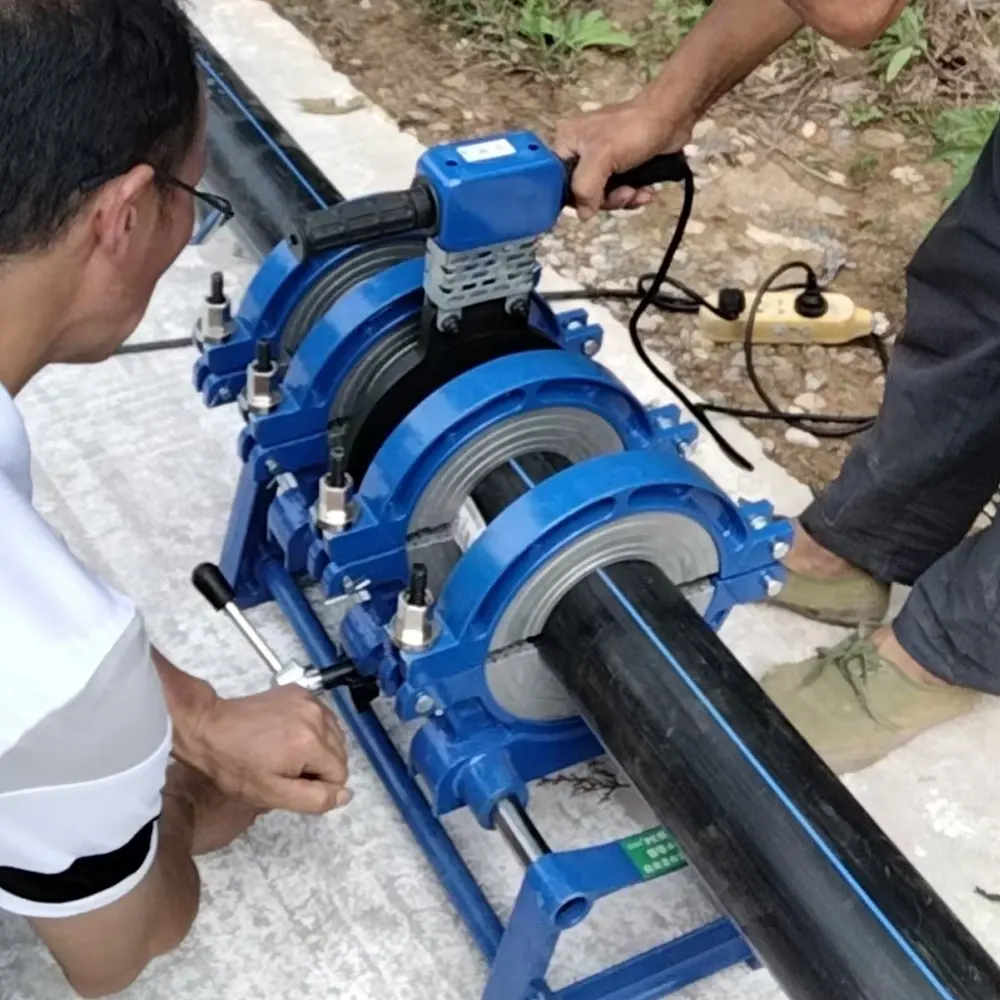
Butt fusion welding creates homogeneous joints by heating and pressing HDPE pipe ends together, producing leak-free connections that maintain pipe strength. In Canada, where freeze-thaw cycles, frost heave, and long-distance transmission lines are common, butt fusion is the industry-preferred method for water distribution, gas lines, and industrial pipelines.
Key Benefits for Canadian Conditions
– Improved joint integrity and resistance to environmental stress.
– Minimal maintenance and excellent lifecycle costs compared to mechanical fittings.
– Adaptability to remote job sites with portable manual or hydraulic machines.
– Compliance with common standards used in Canada for HDPE pipeline work.
Types of Pipe Fusion Machines and Where They Excel
Selecting the right fusion machine depends on project scale, pipe diameter, and site conditions. Below is a quick overview to match equipment to Canadian applications.
| Type | Diameter Range | Best For | Advantages |
|---|---|---|---|
| Manual Butt Fusion | 20mm–400mm | Rural water, small repairs | Highly portable; low cost |
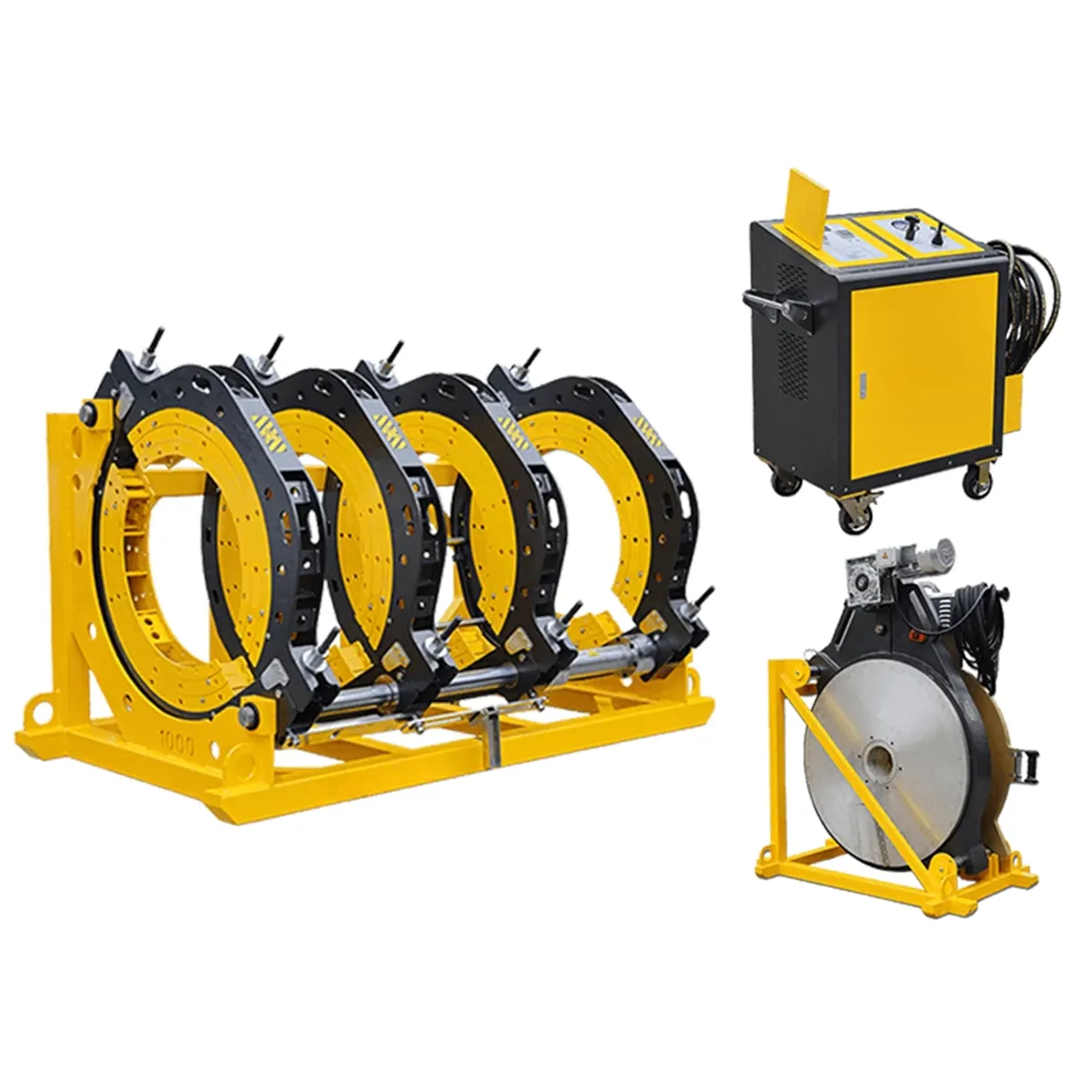
| Hydraulic Butt Fusion | 160mm–2250mm | Large municipal, industrial pipelines | High pressure control; consistent welds |
| CNC Automatic Butt Fusion | 63mm–1400mm+ | High-volume production, long runs | Automated process control; traceability |
Features to Look For in a Factory-Supplied Machine
When sourcing machines for Canadian projects, prioritize:
- Cold-start performance—components designed for low temperatures and frost-resistant hydraulics.
- Durable clamping systems for repeatable alignment in rough site conditions.
- Clear process controls and data logging (especially for municipal contracts requiring traceability).
- Parts availability and technical support across Canada for fast service and spare replacement.
Maintaining High Performance in Canadian Environments
Regular maintenance and operator training are essential for reliable joints in harsh climates. Best practices include:
- Winterizing hydraulic systems and storing heaters in temperature-controlled areas.
- Daily inspection of clamps, alignment pins, and heating plates before welding starts.
- Using certified welding parameters and logging weld records for QA.
Local Considerations: Northern & Remote Projects
Projects in northern Canada require robust logistics planning. Portable manual units and compact hydraulic systems reduce transport costs and simplify field assembly. Choose machines that tolerate wide temperature ranges and allow for battery or generator operation when grid power is unavailable.
Regulatory & Quality Expectations in Canada
Municipal and provincial projects often request documented weld procedures, operator qualifications, and traceable welding records. Investing in equipment with reliable data capture and simple calibration routines helps contractors meet procurement requirements and ensure long-term pipeline integrity.
How to Evaluate Factory Support and Supply Chain
Evaluate a candidate supplier on parts stock, spare lead times to Canada, service network, and training offerings. On-site commissioning and remote technical support reduce downtime and keep projects on schedule.
A Final Note on Sourcing
For dependable butt fusion machines tailored to global infrastructure demands, consider equipment that balances portability, automation, and cold-climate resilience. The factory behind these machines combines experienced manufacturing with a focus on HDPE welding solutions suitable for the Canadian market—backed by parts availability and technical guidance to support long-term projects.



