
Latvia’s infrastructure projects demand robust, weather-resistant, and compliant butt fusion solutions for HDPE pipelines. Contractors, municipal utilities, and energy companies across Riga, Daugavpils, and regional districts increasingly rely on precision welding equipment to deliver long-lasting water, gas, and district heating networks. This guide presents practical advice for sourcing a fusion welding machine manufacturer in Latvia and selecting the right equipment for industrial applications.
Understanding Butt Fusion Machines for Latvian Conditions
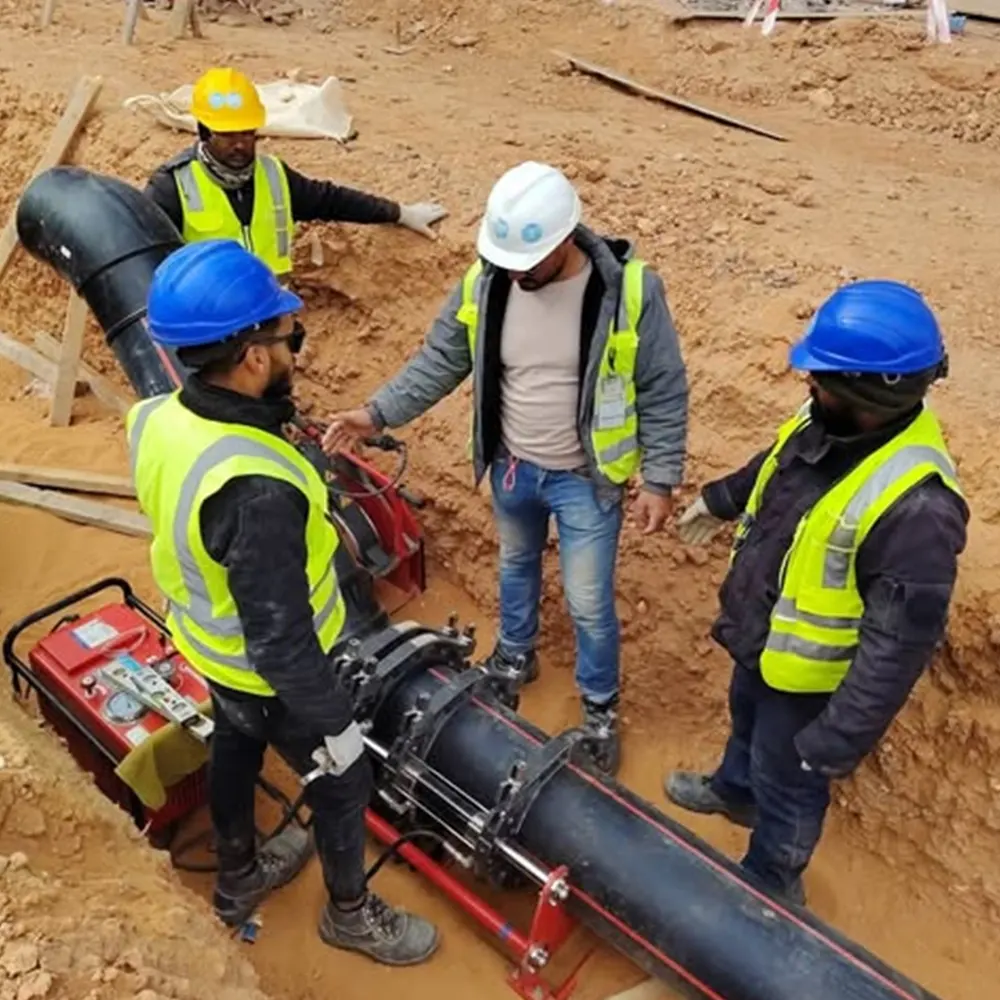
Butt fusion welding is the industry standard for joining HDPE pipes used in cold climates and variable terrain. Machines must perform reliably in sub-zero temperatures, on-site trenches, and municipal sites with strict EU safety and environmental rules. Choose a system with repeatable temperature control, stable clamping, and protection against wind and moisture to meet Latvia’s seasonal demands.
Key Machine Types for Different Projects
Match the machine type to your scope: manual units for small repairs and rural worksites, hydraulic models for medium to large pipe runs, and CNC automatic stations for factory or high-precision pipeline assembly. Prioritize portability for offshore and remote rural areas in Latvia, and durability for frequent use in public works.
Comparison Table: Machine Types & Typical Pipe Range
| Machine Type | Typical Pipe Range | Best Use |
|---|---|---|
| Manual Butt Fusion | 20–400 mm | Small repairs, tight access sites |
| Hydraulic Butt Fusion | 160–1600 mm | Municipal pipelines, medium projects |
| Automatic/CNC Fusion | 63–1250+ mm | Large-scale infrastructure, factory welding |
Technical Features to Prioritize
Temperature accuracy and reliable heating element control ensure consistent joints across Latvia’s temperature range. Look for digital controllers, robust heating plates, and clear pressure monitoring. Corrosion-resistant materials and sealed hydraulic systems help machines endure coastal and winter exposure.
Compliance & Quality Standards
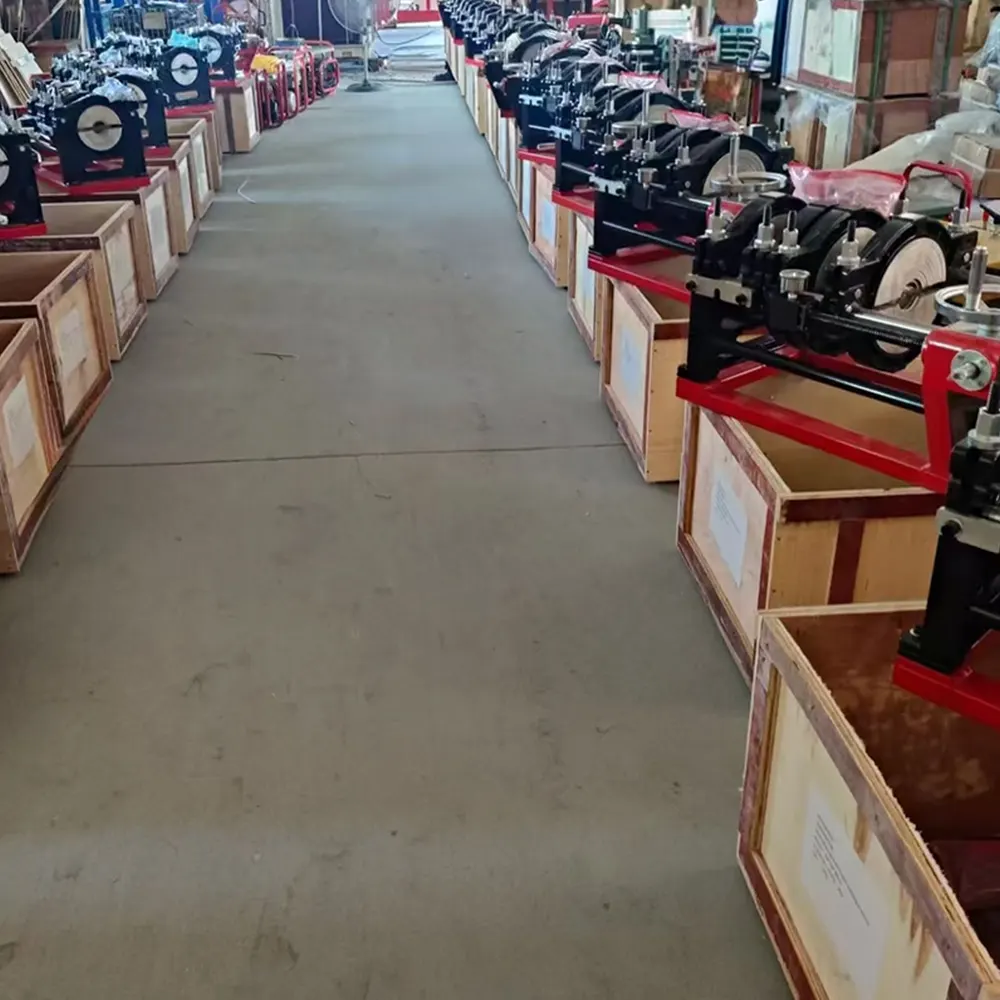
European standards (ISO, EN) and traceable welding documentation are essential for public tenders and municipal approvals. Choose suppliers who provide calibration certificates, training materials in English or Latvian, and weld traceability logs to support project audits and warranty claims.
Applications Across Latvia
Common local uses include potable water networks in small towns, gas distribution upgrades, agricultural irrigation lines, stormwater systems, and district heating connections. For coastal regions and winter maintenance, portable manual or compact hydraulic units are often preferred for on-site flexibility.
Selecting a Reliable Supplier
Evaluate suppliers on manufacturing quality, spare parts availability across the EU logistics chain, responsive technical support, and training options. Prioritize companies able to provide on-site commissioning, operator training, and fast spare-part dispatch to Latvian contractors and utility teams.
After-sales & Local Support Considerations
Fast access to replacement heating plates, hydraulic seals, and control units reduces downtime. Confirm warranty terms, local partner networks, and whether the supplier offers remote troubleshooting or scheduled maintenance plans tailored to seasonal project timelines in Latvia.
For reliable butt fusion equipment and tailored industrial solutions, visit JQ-Fusion to explore product lines and support options.



