
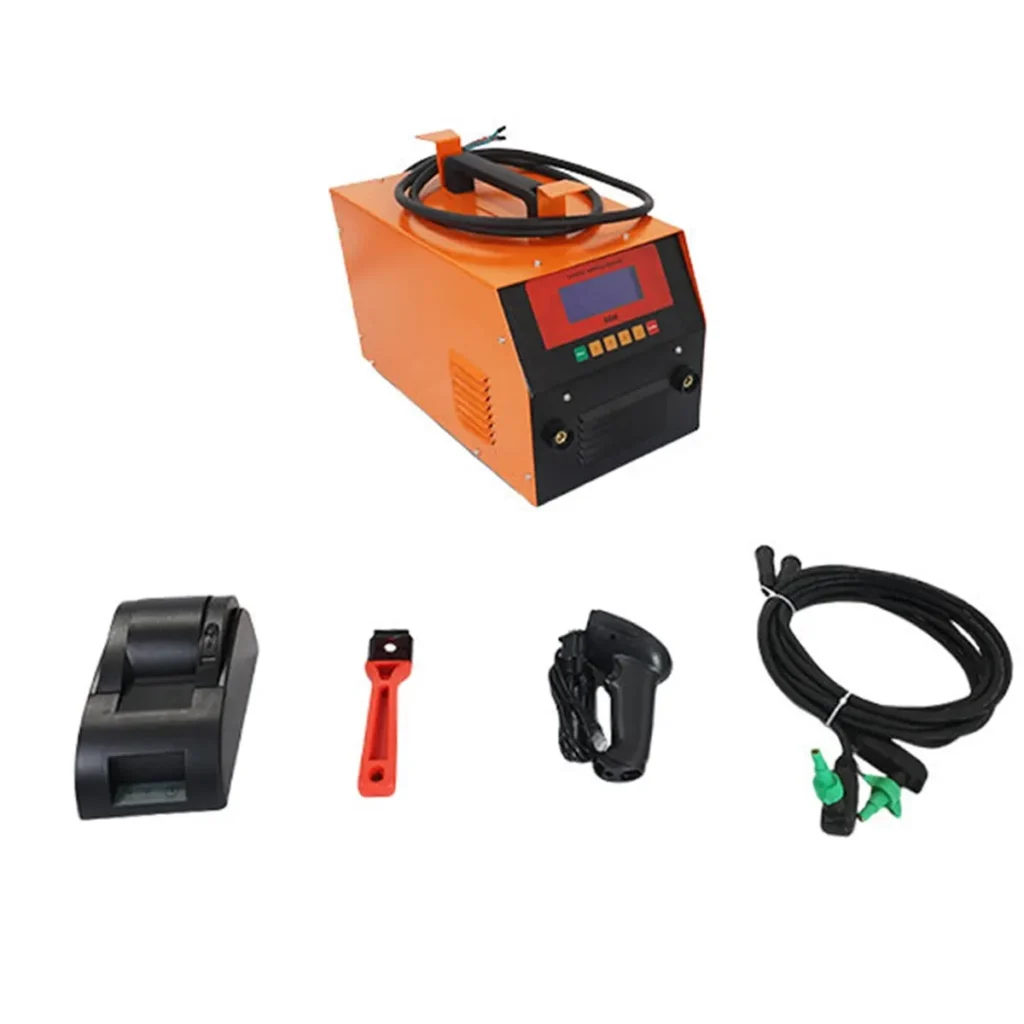
Electrofusion welding has become the benchmark for durable HDPE pipeline joints across Luxembourg’s utilities and civil infrastructure projects. For contractors, municipal engineers, and utility operators who demand leak-free connections in water, gas, and district heating networks, choosing the right electrofusion welder maker is critical to meeting EU standards and the country’s strict safety requirements.
Overview: Electrofusion Welders for Luxembourg Pipeline Projects
Electrofusion systems offer precision, repeatability, and speed — qualities highly valued in Luxembourg’s compact yet technically demanding construction environment. Whether working on urban water mains in Esch-sur-Alzette, cross-border gas interconnectors, or small rural installations, installers benefit from the controlled heat and verified weld cycles that electrofusion equipment provides.
Why Electrofusion Works Well in Luxembourg
Regulatory compliance and longevity matter in Luxembourg’s infrastructure planning. Electrofusion welding reduces human error, produces uniform fusion, and creates joints with excellent pressure and chemical resistance — ideal for the country’s high standards for public utilities and sustainability goals. Multilingual crews (Luxembourgish, French, German, English) also find electrofusion controllers intuitive when documentation and interfaces support multiple languages.
Key Features to Look For
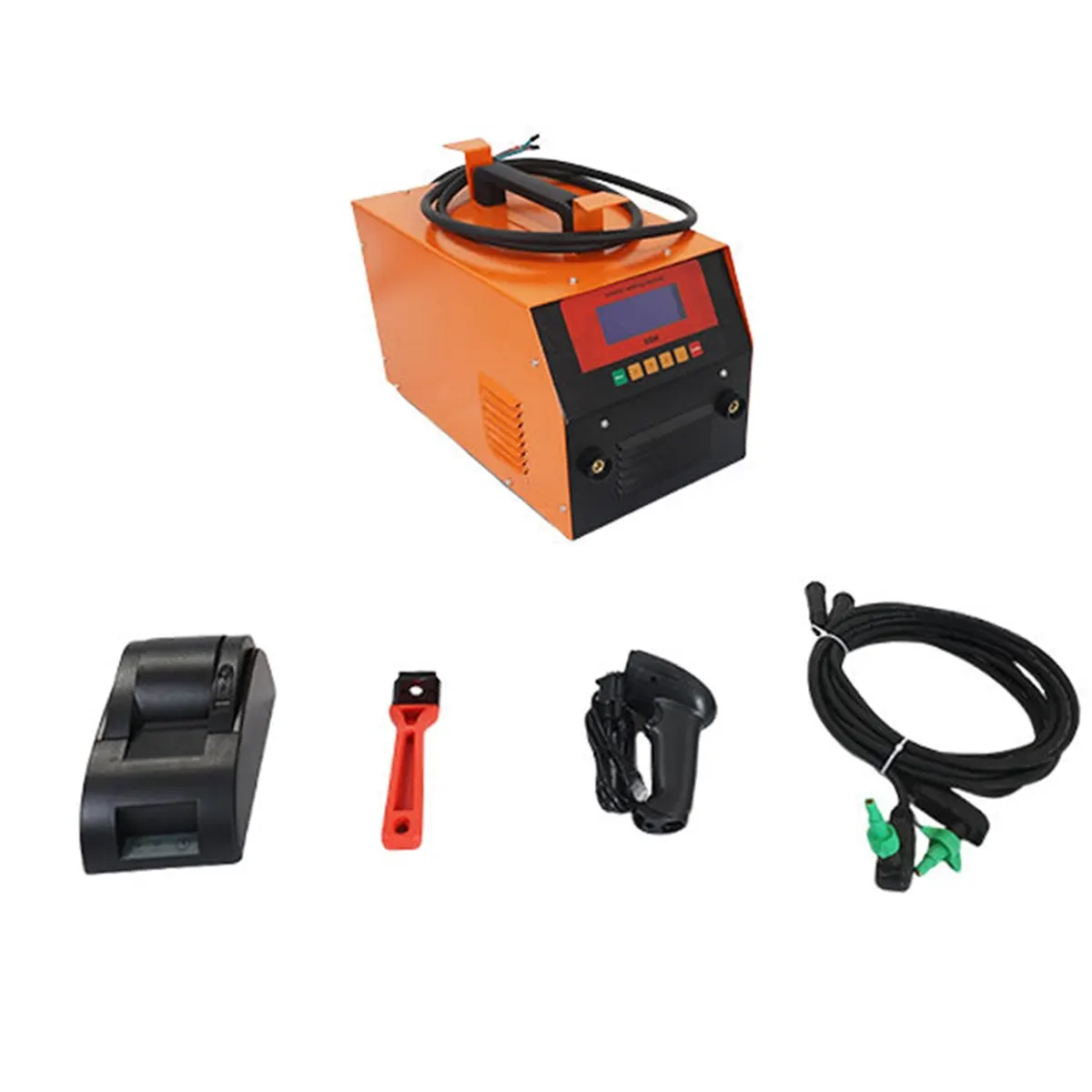
When evaluating welders, focus on certified welding logs, digital control panels, and robust power management. For Luxembourg projects where traceability is required, machines that store or export weld data (time, current, voltage, operator ID) make inspections and audits straightforward.
Top technical benefits:
– Automated welding programs with adjustable parameters for various electrofusion fittings.
– Battery-assisted start and UPS options for sites with intermittent power.
– Compact, transportable designs for narrow streets and confined urban work zones.
Quick Comparison: Typical Electrofusion Machine Specs
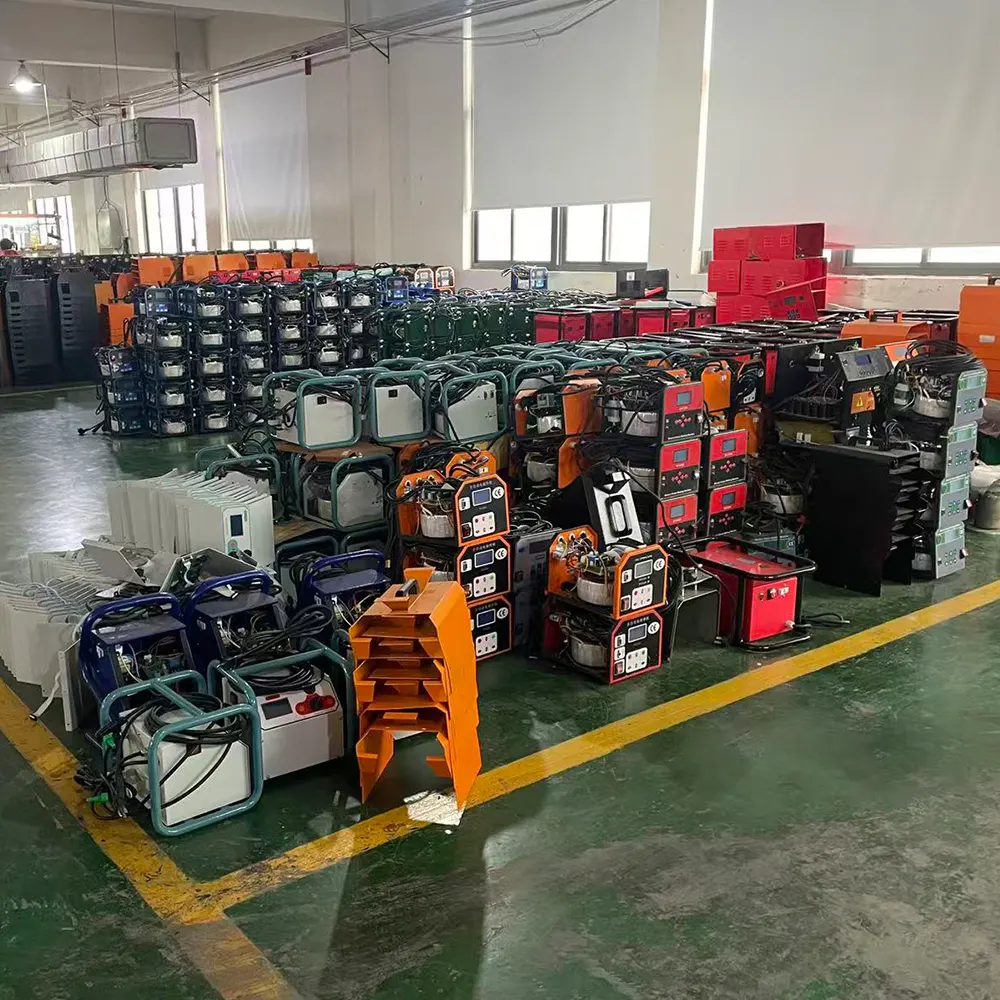
| Model Type | Power / Portability | Data Logging |
|---|---|---|
| Handheld Electrofusion Unit | Low power, highly portable | Basic export via USB |
| Bench / Workshop Unit | Stable mains-powered | Extended logs, printer support |
| Industrial Field Unit | High current, rugged | Full traceability, networkable |
Selecting a Reliable Maker for Luxembourg Projects
Look for manufacturers with a proven track record in HDPE welding technology and international certifications. One such provider is JQ-Fusion, a company experienced in manual, hydraulic, and automatic butt fusion and electrofusion machines, offering solutions suitable for water supply, gas distribution, and industrial pipeline work.
Local considerations
Given Luxembourg’s cross-border construction dynamics, choose equipment with multilingual manuals and support, spare parts availability for quick turnaround, and training options for mixed crews. Ensure the maker can assist with CE conformity, technical documentation, and site commissioning.
Installation, Training & After-Sales Support
Proper installation and operator training are essential for achieving certified weld quality. Prioritize suppliers who provide on-site commissioning, operator certification courses, and remote diagnostics. In Luxembourg, where small teams often handle multiple project types, hands-on training and modular service contracts reduce downtime and improve weld consistency.
Maintenance Best Practices
Routine checks of connectors, cabling, and calibration of control units extend equipment life. Keep a schedule for firmware updates and maintain an inventory of consumables and fuses. For networked projects, maintain secure access to weld logs and backups to satisfy regulatory inspections.
Final note
Electrofusion welders deliver the reliability and traceability Luxembourg utilities require. By selecting well-supported, certified machines and investing in training and maintenance, contractors and municipalities can ensure safe, long-lasting pipeline networks that meet both local expectations and EU standards.



