
Addressing Ethiopia’s Pipeline Needs with Robust Fusion Welding Solutions
As Ethiopia expands its water supply, irrigation networks and industrial pipelines, the demand for high-quality HDPE welding equipment grows rapidly. Fusion welding machines deliver leak-free joints and long-term reliability for rural water schemes, urban distribution networks and mining projects. Local contractors, government agencies and international developers benefit from equipment that combines durability, ease of use and reliable after-sales service.
Why Reliable Butt Fusion Machines Matter in Ethiopia
Consistent joint integrity is critical for long-distance water mains and pressure-distribution systems across Ethiopia’s varied terrain. Machines that ensure repeatable heating and controlled pressure reduce failures in remote areas where repairs are costly. Seasonal climates—from highland rainy seasons to hot lowland conditions—require equipment that performs under different environmental stresses.
Ethiopian projects often depend on local teams with mixed skill levels. Machines that are intuitive, rugged and easy to maintain help accelerate project timelines and build local workforce capacity. For communities, that means fewer pipeline interruptions and improved service reliability.
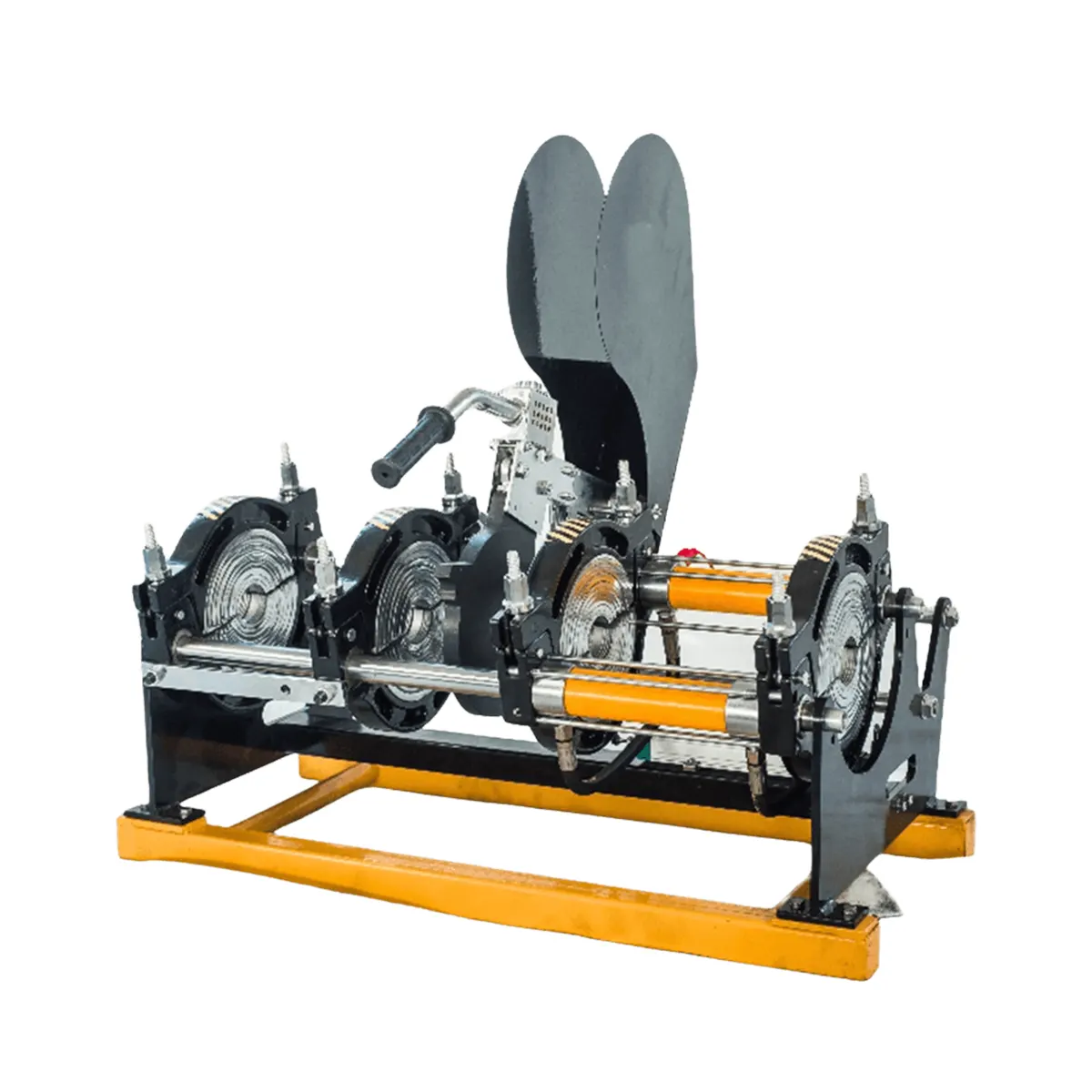
Types of Fusion Welding Machines — Quick Comparison
| Type | Typical Pipe Range | Best For | Key Advantage |
|---|---|---|---|
| Manual Butt Fusion | 20mm – 630mm | Field repairs, small crews | Lightweight, low cost |
| Hydraulic Butt Fusion | 90mm – 2000mm+ | Municipal mains, large projects | High clamping force, stable control |
| CNC / Automatic Machines | 160mm – 2000mm+ | High-volume, precise production | Data logging, repeatability |
Selecting the Right Supplier in Ethiopia
When choosing a fusion welding machine supplier for Ethiopian projects, prioritize machine reliability, local support and parts availability. Consider these factors:
1. Local logistics and delivery: Suppliers who understand Ethiopian import routes and can coordinate timely deliveries reduce project delays.
2. Spare parts and consumables: Readily available heating plates, clamps and control modules keep crews working without long backorders.
3. Training and certification: On-site or remote training for operators and supervisors ensures welds meet quality standards and local safety protocols.
4. References and project experience: Look for suppliers with successful installations in similar climates and terrains.
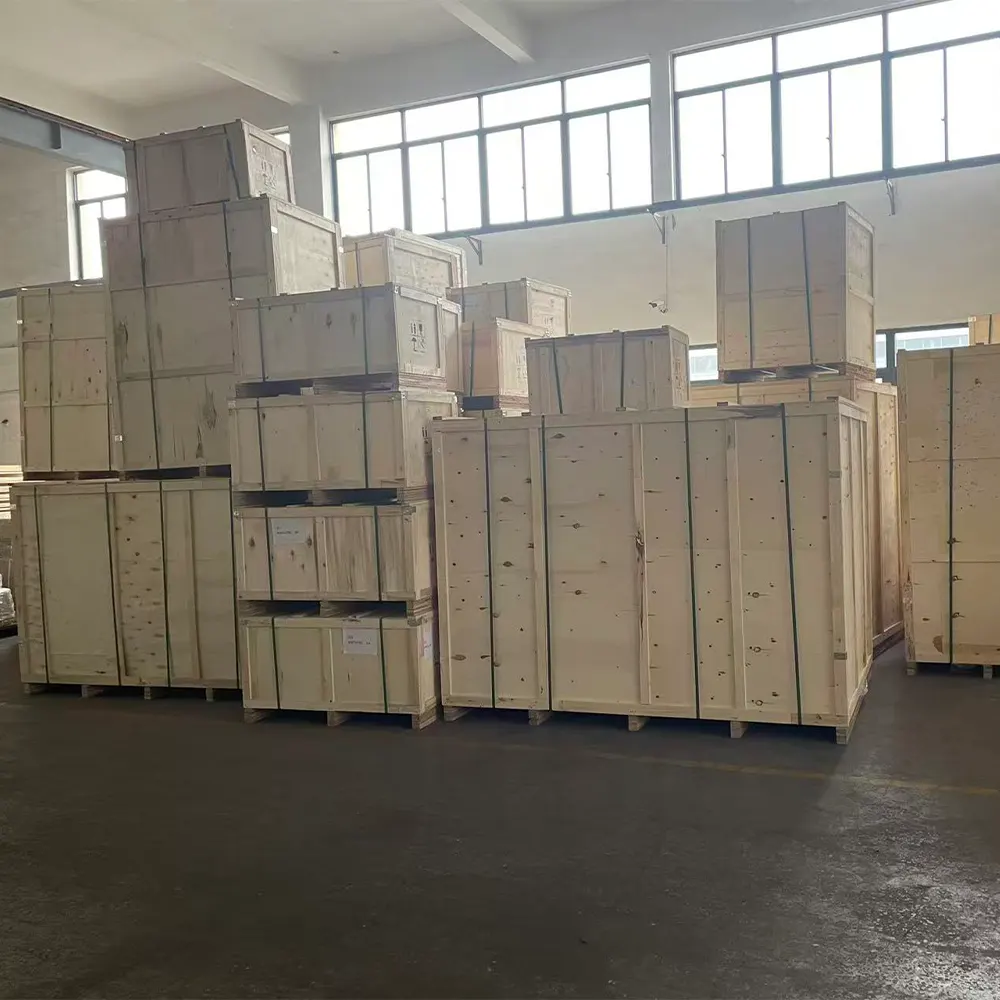
Installation, Training and After-Sales
Successful pipeline projects combine the right hardware with practical training and responsive service. Operators in Ethiopia benefit from hands-on sessions that cover alignment, heating cycles, fusion pressure control and visual inspection. After-sales support should include warranty coverage, parts kits and remote diagnostics where possible.
Cost, Financing and Project Planning
Assess total cost of ownership: initial purchase, consumables, training and downtime. For municipalities and contractors, rental or lease-to-own options can be attractive for one-off projects. Investing in higher-quality machines often reduces rework costs and extends equipment life on long-term programs.
Safety and Regulatory Considerations
Compliance with local construction codes and international welding standards protects communities and operators. Prioritize machines with safety guards, clear control interfaces and documented welding parameters. Ensure teams follow established HDPE fusion procedures to achieve certified weld strength.
How JQ-Fusion Supports Ethiopian Infrastructure
JQ-Fusion (https://jq-fusionwelding.com/) offers a range of manual, hydraulic and CNC automatic butt fusion machines suitable for water supply, irrigation, gas distribution and mining projects, with options for customization and training to meet local project needs.
Next steps: Evaluate the pipe sizes and project scope, schedule machine demonstrations or training sessions, and request a spare-parts plan to ensure uninterrupted field operations. Reliable fusion welding equipment is a foundation for lasting pipeline performance across Ethiopia’s diverse regions.



