
Electrofusion machine buyers and contractors in the Netherlands are prioritizing reliability, CE-compliant safety, and long-term service when sourcing equipment for HDPE pipeline projects. This guide helps Dutch utilities, waterboards, and private contractors identify trustworthy suppliers and understand what to expect from quality electrofusion machine manufacturing.
Why the Netherlands Needs Top-Quality Electrofusion Machines
The Netherlands has an extensive network of underground utilities — from regional waterboards (waterschappen) managing drainage and irrigation to municipal teams maintaining gas and drinking water distribution. Projects here demand machines that handle frequent outdoor use, resist humidity and salt air near coastal zones, and comply with EU and Dutch safety standards (CE marking, applicable EN standards). Investing in robust electrofusion equipment reduces downtime, improves weld consistency, and meets strict local inspection requirements.
What Dutch Buyers Should Look For
- Certification & traceability: CE marking, clear welding logs, and traceable component sourcing for audits.
- Weather-resistant design: Sealed controls, corrosion-resistant connectors, and reliable batteries for on-site portability.
- Service & spare parts: Fast European spare parts shipping and local technical support or trained partners.
- Ease of operation: Intuitive interfaces and multilingual manuals (English and optionally Dutch) for crews.
Common Electrofusion Machine Types and Best Uses
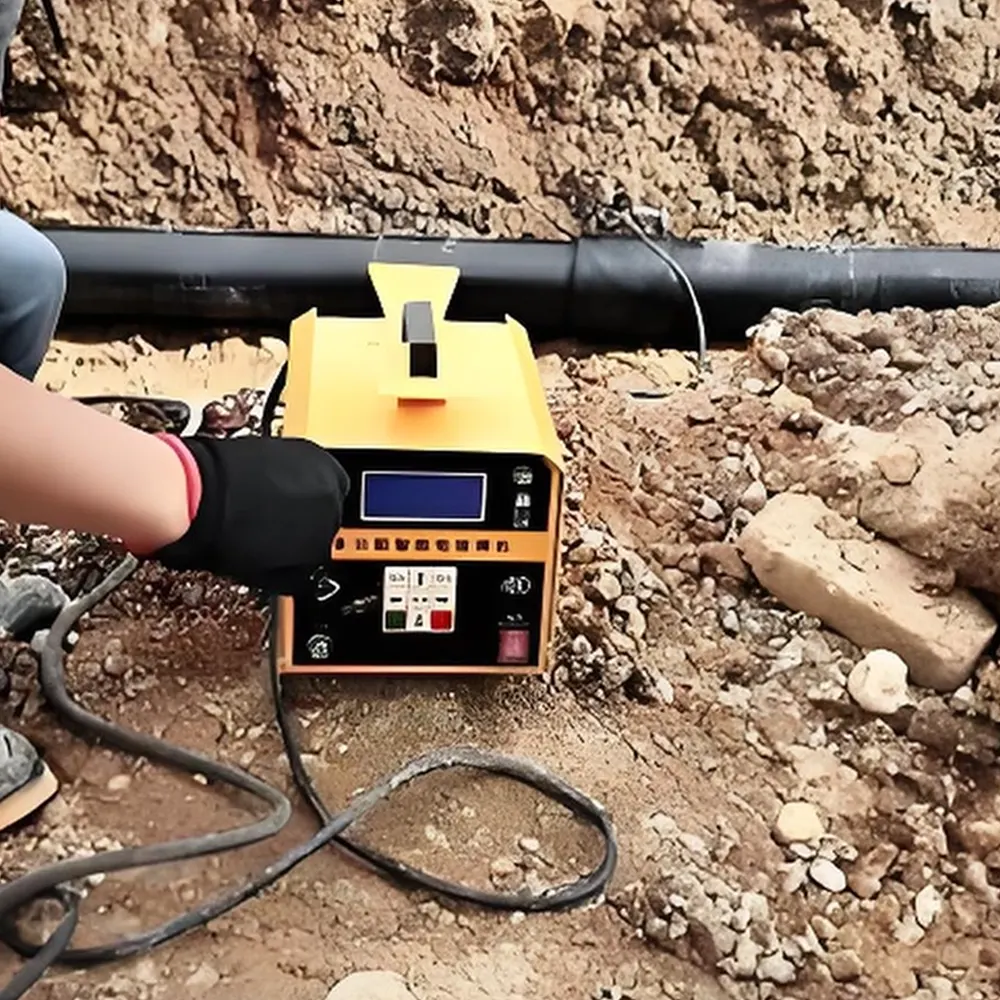
Different projects require different machines. Small diameter service connections need portable units; larger distribution mains benefit from bench-style machines with integrated logging and higher current capacity.
| Machine Type | Typical Pipe Range | Ideal For |
|---|---|---|
| Handheld Portable Electrofusion | 20–110 mm | Service connections, emergency repairs |
| Bench/Stationary Units | 63–400 mm | Distribution mains, workshop welding |
| High-Power/Multi-Log Units | 250–630+ mm | Large-diameter trunk lines, prefabrication yards |
Quality Manufacturing Practices to Expect
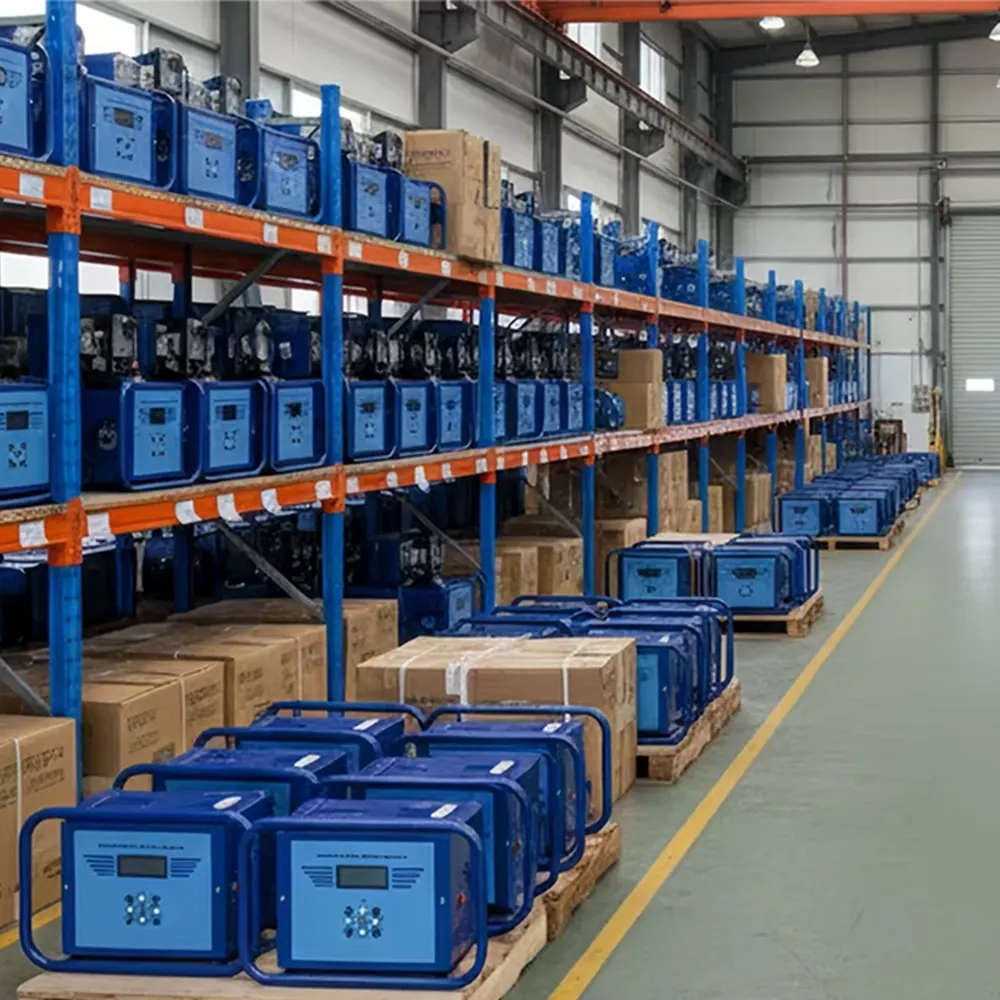
A reliable factory will use precision manufacturing and strict QC processes: calibrated current supplies, thermal management testing, and functional endurance cycles. Look for manufacturers offering serial-numbered weld records, routine calibration services, and protective housings to extend machine life in damp Dutch conditions.
Serviceability and Support in Europe
Fast turnaround for repairs and a predictable spare-parts supply chain are essential in Europe. Ask suppliers about lead times from their European warehouses, availability of training for operators, and remote diagnostic features that speed up troubleshooting on project sites across the Netherlands.
Buying Tips for Dutch Contractors and Utilities
Before purchase, verify warranty terms, ask for sample weld logs, and request references from other European projects. Consider total cost of ownership: machines with better thermal stability and stronger control electronics often yield fewer rejects and lower operating costs over time.
Sustainability and Long-Term Value
Sustainable procurement is increasingly important in the Netherlands. Choose manufacturers who minimize waste in packaging, provide energy-efficient equipment, and support repairs rather than replacements. This approach aligns with Dutch sustainability goals and reduces lifecycle emissions.
For reliable electrofusion equipment backed by manufacturing experience and global project support, visit JQ-Fusion for detailed product specs, certification documentation, and European service options.



