
The growing infrastructure demand across Tanzania—from municipal water networks in Dar es Salaam to rural irrigation projects in the Kilimanjaro and Dodoma regions—makes choosing the right HDPE pipe welding machine maker a critical decision. Contractors, municipal engineers, and local installers need reliable butt fusion equipment that matches local power availability, transport conditions, and on-site skill levels. This guide explains how to choose the best HDPE pipe welding machine maker in Tanzania and highlights the machine types and features that deliver the best long-term value.
Why HDPE Welding Matters for Tanzania
HDPE pipes are preferred in many Tanzanian projects because they resist corrosion, handle ground movement, and offer lower lifecycle costs. Proper welding of HDPE pipes ensures leak-free joints important for potable water, gas distribution, and mining operations around the country. Selecting the right welding machine reduces rework, improves joint strength, and speeds up installation—especially valuable in remote sites where downtime is costly.
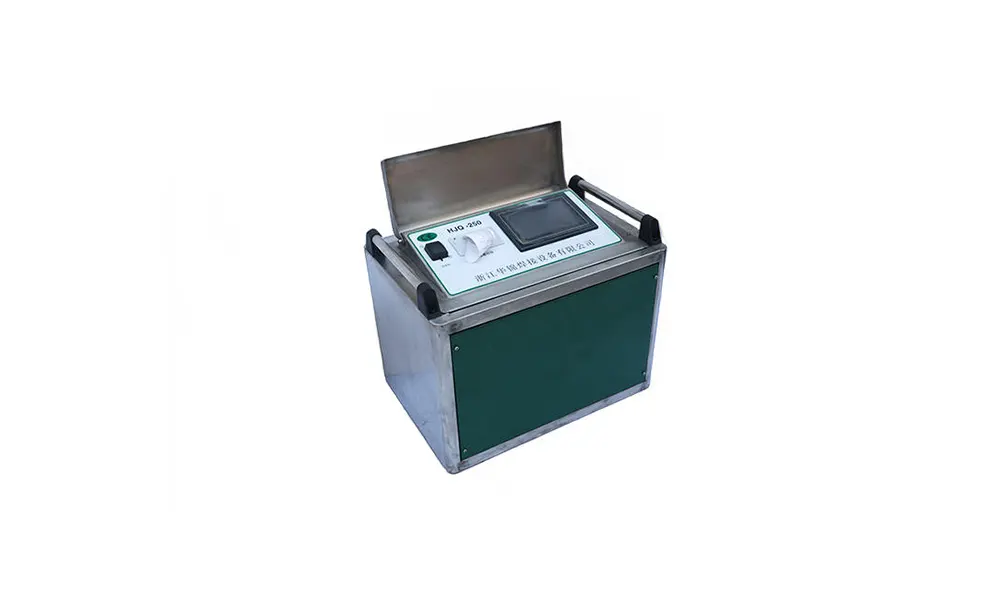
Key Machine Types — Match Your Project and Workforce
Manual Butt Fusion Machines
Ideal for small-diameter pipes and budgets. Manual units are portable, simple to use after short training sessions, and suited to local installers working in urban neighborhoods or small rural projects.
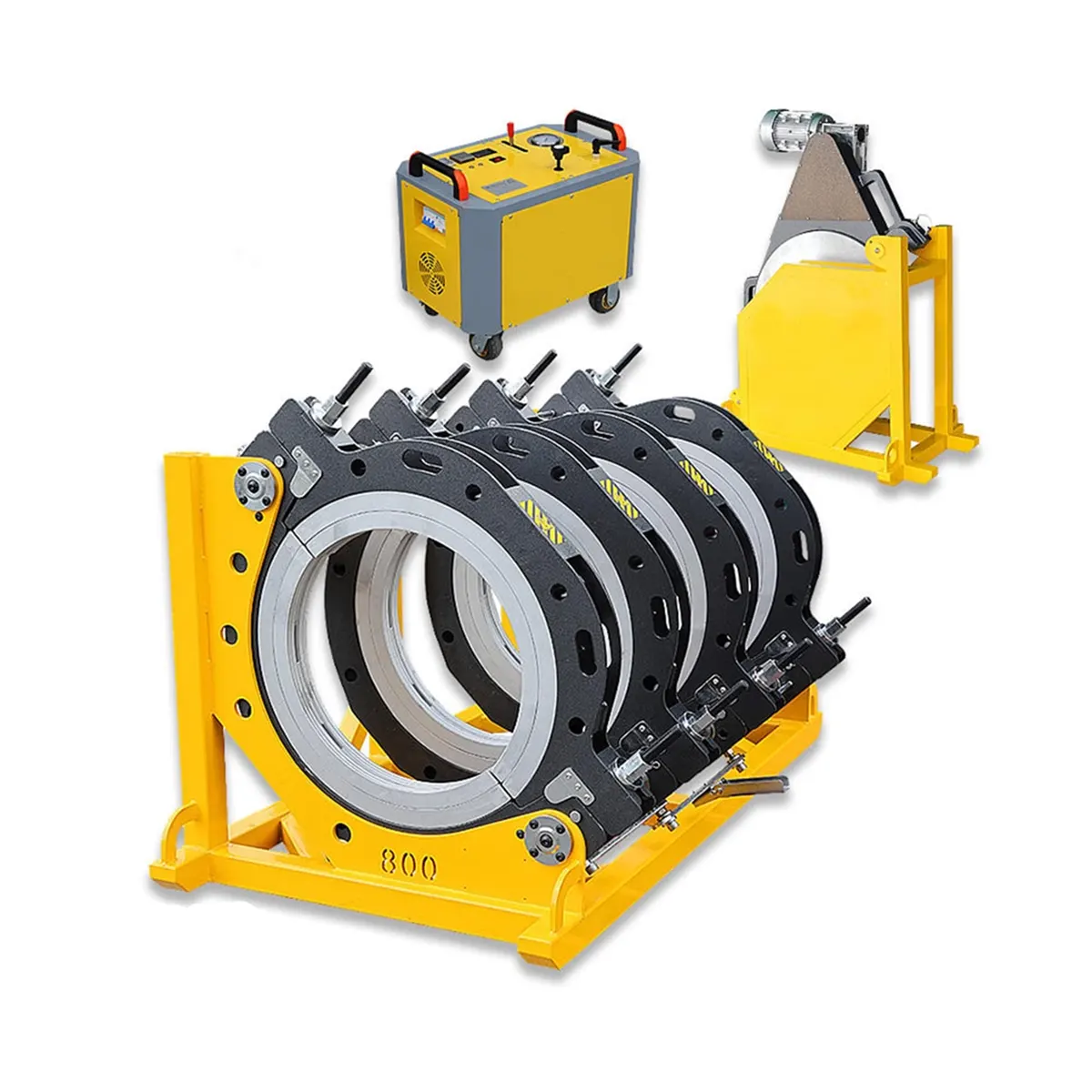
Hydraulic Butt Fusion Machines
Provide stable pressure control and are best for medium to large diameters used in municipal networks. They perform reliably on unpaved sites common in many Tanzanian construction zones.
Automatic / CNC Butt Fusion Machines
Deliver precise, repeatable welds for long pipelines and industrial applications. If your project requires high throughput and documented weld records, an automatic machine is a wise investment.
Top Features to Look For
- Stable pressure control — Ensures consistent joint quality in variable ground conditions.
- Portable and durable frame — Important for transport over rough roads to remote sites.
- Electric/hydraulic options — choose based on local power reliability and fuel logistics.
- Clear control/display and weld data logging — helpful for QA on large municipal contracts.
- Local serviceability and spare parts availability — minimizes downtime in Tanzania.
Recommended Models for Typical Tanzanian Projects
Below is a quick comparison of common model types and the project scenarios where they excel. Choose based on pipe diameter range, site access, and required automation level.
| Model Type | Pipe Diameter Range | Power / Drive | Best For |
|---|---|---|---|
| Manual Bench Machines | 20–315 mm | Hand / Mechanical | Small plumbing jobs, rural repair work |
| Hydraulic Butt Fusion | 63–1200 mm | Hydraulic / Electric pump | Municipal pipelines, mining projects |
| Automatic CNC Systems | 63–1000+ mm | Electric + Controller | High-volume industrial and long-distance water lines |
| Multi-Angle Fitting Machines | 20–630 mm | Hydraulic / Electric | Manufactured fittings and complex junctions |
Buying Tips for Tanzanian Buyers
Verify power compatibility: Confirm voltage and generator needs for remote sites. Many Tanzanian contractors prefer machines that work with standard generators.
Check spare parts & service: Choose a maker who offers clear spare parts lists and can ship parts quickly. For international makers, ensure a local partner or fast logistics.
Training and certification: Insist on operator training and weld procedure guidance so local teams can produce certified joints for water authorities and contractors.
Maintenance and Field Support
Regular maintenance—clean heating plates, check hydraulic oil, replace worn clamps—extends machine life. For projects in Tanzania, plan periodic inspections before the wet season and keep a small spares kit (heating elements, seals, pressure gauges) on site to avoid delay.
Where to Source Reliable Machines
For international-grade HDPE welding equipment with a broad product range and global supply chain, consider contacting reputable manufacturers directly to confirm model specifications, training options, and export documentation. One such manufacturer is JQ-Fusion (https://jq-fusionwelding.com/), which offers manual, hydraulic, and automatic butt fusion machines suitable for diverse infrastructure projects.
Final Selection Checklist
- Does the machine cover the required pipe diameter range?
- Is the power option compatible with local conditions?
- Are spare parts and training readily available?
- Can the supplier provide weld procedure documentation for tendering and QA?
Quick FAQ
Q: Which machine type is best for rural water systems? A: Portable manual or small hydraulic units balance cost and reliability.
Q: Is automation necessary for urban municipal projects? A: For large-scale networks and high throughput, automatic machines save time and improve weld traceability.
If you need assistance matching models to a specific Tanzanian project—pipe sizes, site access, or permit requirements—reach out to suppliers who can provide technical advice, training, and a tailored quote.



