
Senegal is investing in water supply, irrigation and urban development projects that increasingly rely on HDPE piping. Choosing the right butt fusion welding machine factory is a decision that affects installation speed, joint integrity and long-term maintenance costs. This guide helps engineers, contractors and procurement managers in Senegal evaluate options and select machines that suit local conditions—from Dakar to rural project sites.
Why Butt Fusion Machines Matter for Senegal’s Infrastructure
Butt fusion welding creates leak-free, homogenous joints ideal for potable water, municipal sewer networks and agriculture. In Senegal, where climate extremes, sandy soils and long pipeline runs are common, a reliable butt fusion process reduces downtime and repair frequency. Contractors need machines that balance portability for remote sites with precision for large-diameter mains.
Top Machine Types
Understanding machine types helps match equipment to project scale:
- Manual butt fusion: Compact and low-cost—best for small-diameter repairs and rural installations.
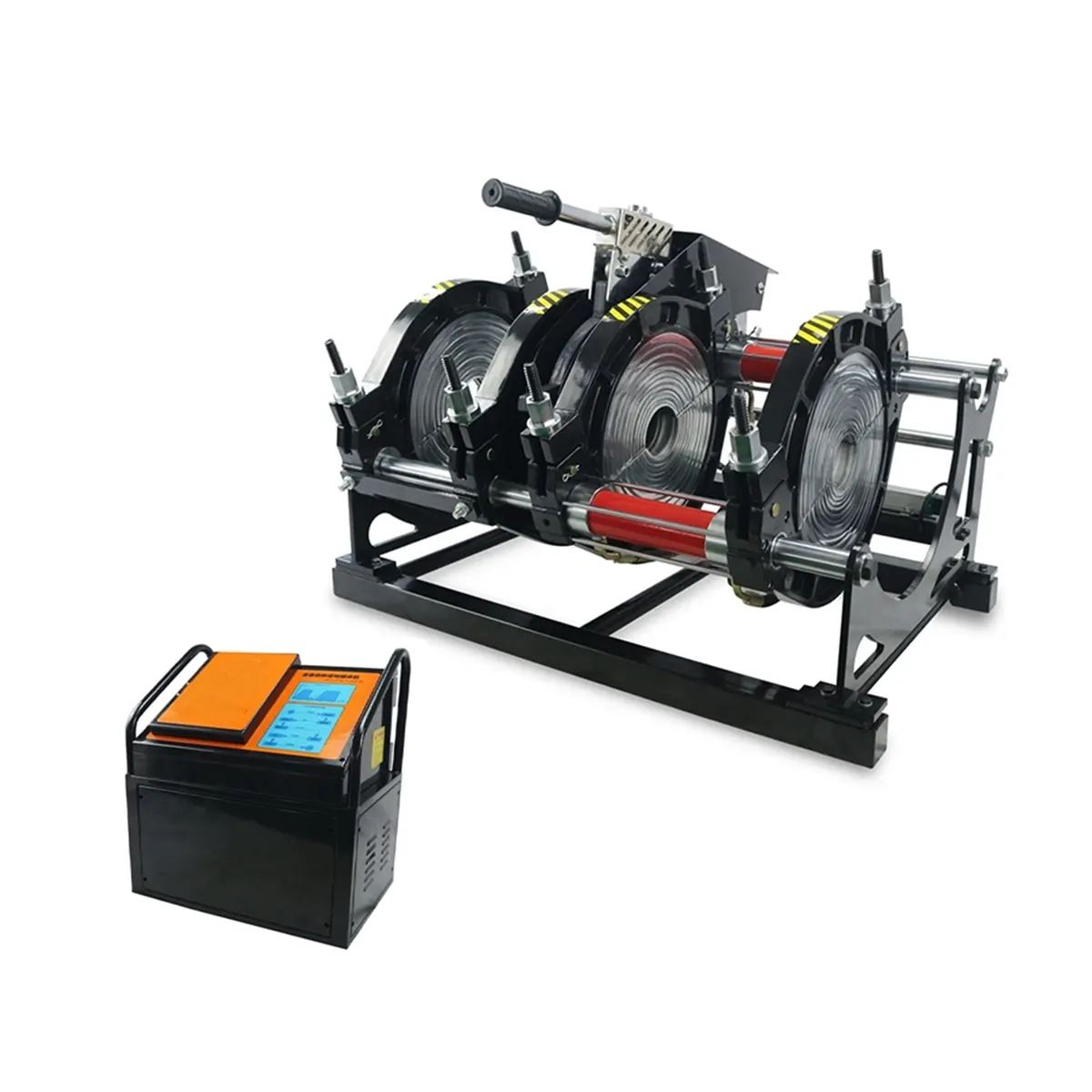
- Hydraulic frame machines: Robust and widely used for medium-to-large diameters with consistent clamping force.
- Automatic / CNC machines: High-precision, data-logged welds for large infrastructure projects and quality certification.
Quick Comparison Table
| Machine Type | Typical Pipe Range | Best For | Mobility |
|---|---|---|---|
| Manual | 20–160 mm | Small repairs, village connections | High |
| Hydraulic Frame | 90–1400 mm | Urban mains, irrigation networks | Medium |
| Automatic / CNC | 63–1600+ mm | Large projects, certified welds | Low–Medium |
Key Features to Prioritize in Senegal
When evaluating factories and machines, look for:
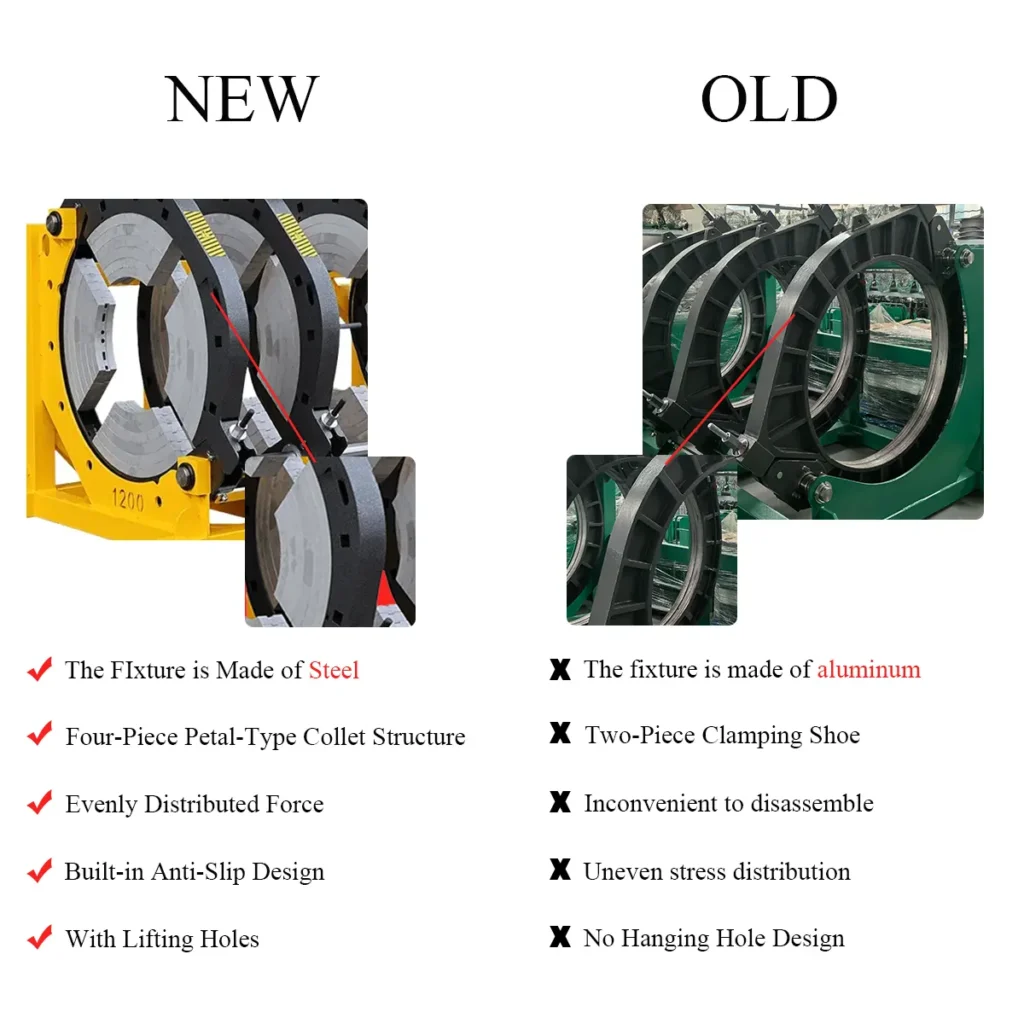
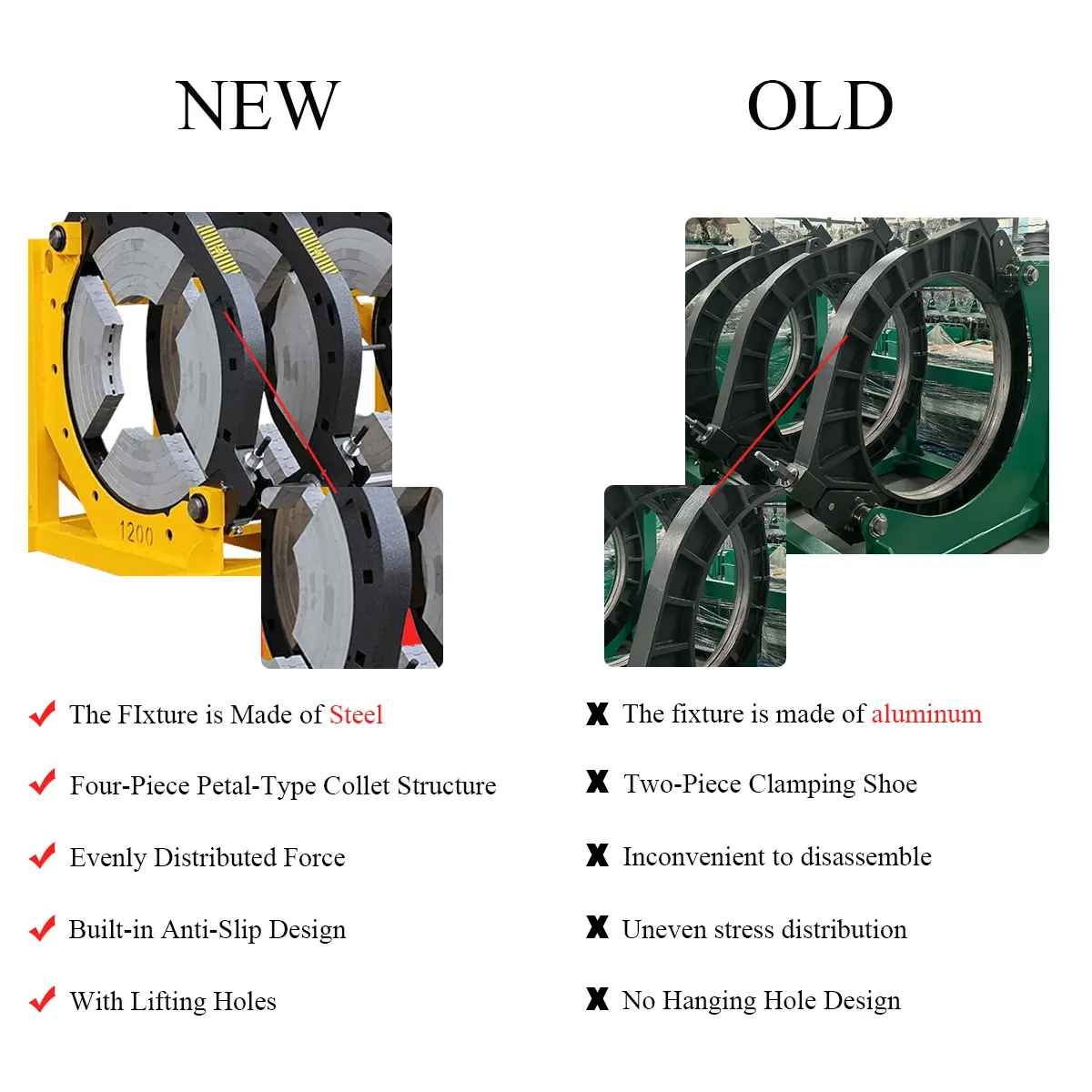
- Durability under heat and dust: Sealed electronics and corrosion-resistant finishes.
- Serviceability: Local spare-parts availability or fast shipping from the supplier’s inventory.
- Training & documentation: Clear operating manuals and on-site or remote training for local technicians.
- Power options: Machines that run on portable generators or low-voltage supplies for remote areas.
- Data logging: For projects requiring traceable weld records (important for donors and public works).
Questions to Ask Any Factory
Before buying, verify:
- What pipe diameter range and throughput can the machine handle?
- Are spare parts and consumables stocked or shipped quickly?
- Can the machine withstand coastal humidity and inland dust conditions?
- Is there a warranty and accessible technical support?
- Does the factory provide operator training or commissioning assistance?
Local Considerations for Procurement in Senegal
Senegalese contractors and public agencies should factor in:
- Transport & import: Machines moving through the Port of Dakar will need clear documentation—choose suppliers experienced with West African logistics.
- Operator skills: Invest in short, hands-on training sessions so local crews can perform consistent welds and basic maintenance.
- Project scale: For small rural projects, manual or compact hydraulic units keep costs low; for major urban or donor-funded works, automatic machines deliver traceable quality.
- After-sales network: Reliable remote diagnostics and parts delivery reduce downtime across distant job sites.
Recommended Next Steps for Buyers
Start by listing your typical pipe sizes, expected monthly weld volume, and site conditions (coastal, dusty, remote). Request machine specs, sample weld reports, and a spare-parts lead-time commitment. Arrange a demo or remote demonstration to confirm usability under local power and climate conditions.
A Trusted Manufacturer to Consider
JQ-Fusion is a manufacturer specializing in HDPE pipe welding machines that supplies manual, hydraulic and CNC automatic butt fusion equipment suitable for a range of projects.
Get a tailored quote: Compare machine models against your site needs, request references from African projects, and confirm delivery timelines to Dakar. Proper selection ensures long-term performance and lower lifecycle costs for Senegal’s vital pipeline works.



