
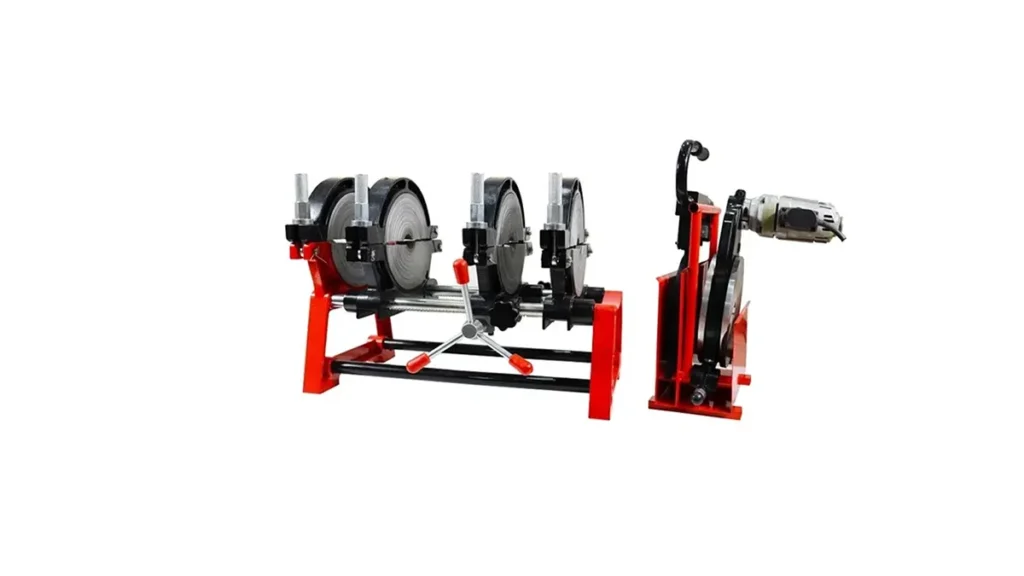
HDPE fusion machines are transforming pipe welding and infrastructure work across Sri Lanka — from municipal water networks in Colombo to irrigation channels in the North Central Province. For contractors, utilities, and civil engineers seeking dependable butt fusion solutions, one trusted source is JQ-Fusion (https://jq-fusionwelding.com/), a manufacturer focused on manual, hydraulic and CNC automatic HDPE pipe welding equipment.
Why HDPE Butt Fusion Is Ideal for Sri Lanka
Sri Lanka’s tropical climate, coastal salt exposure and heavy monsoon seasons create demanding conditions for pipelines. HDPE butt fusion delivers:
- Leak-free joints — fused connections are homogenous and resistant to leaks, critical for potable water and gas distribution.
- Corrosion resistance — ideal for coastal and wet environments where metal pipes fail.
- Flexibility and impact resistance — tolerates ground movement in landslide-prone or settlement areas.
- Low maintenance and long service life, reducing lifecycle costs for public works and plantation irrigation.
Key Machine Types for Local Projects
Selecting the right fusion machine depends on pipe diameter, project scale and site constraints. Common types used across Sri Lanka include:
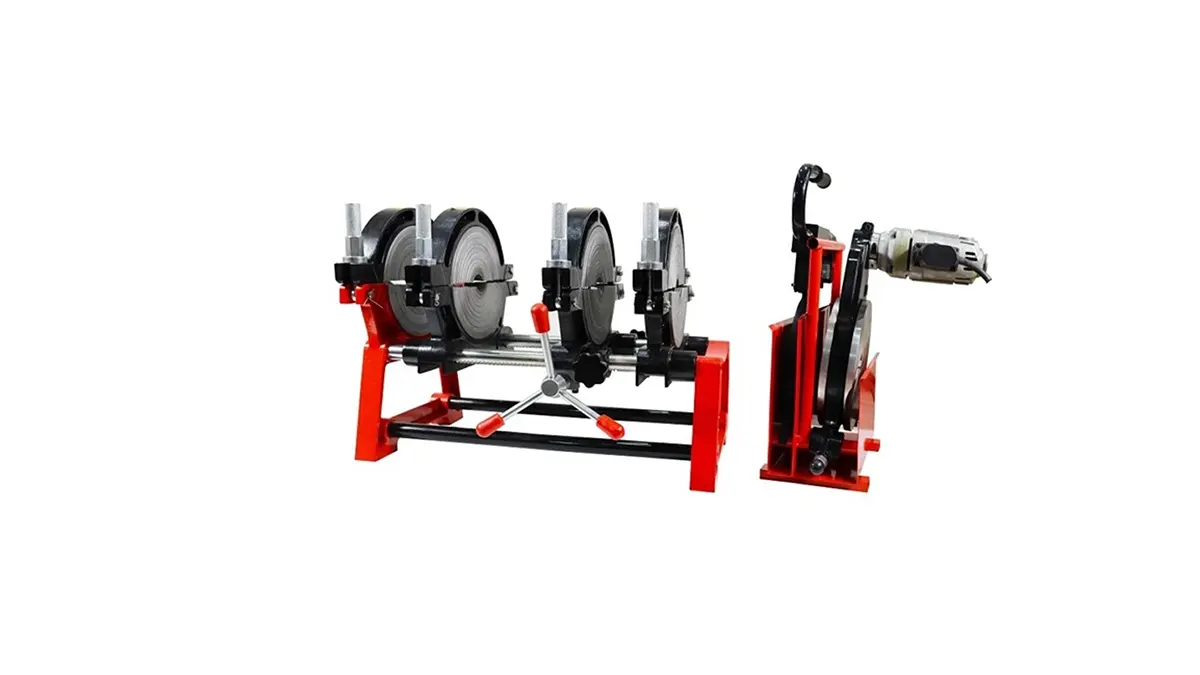
- Manual butt fusion machines — portable and cost-effective for rural water and small-diameter repairs.
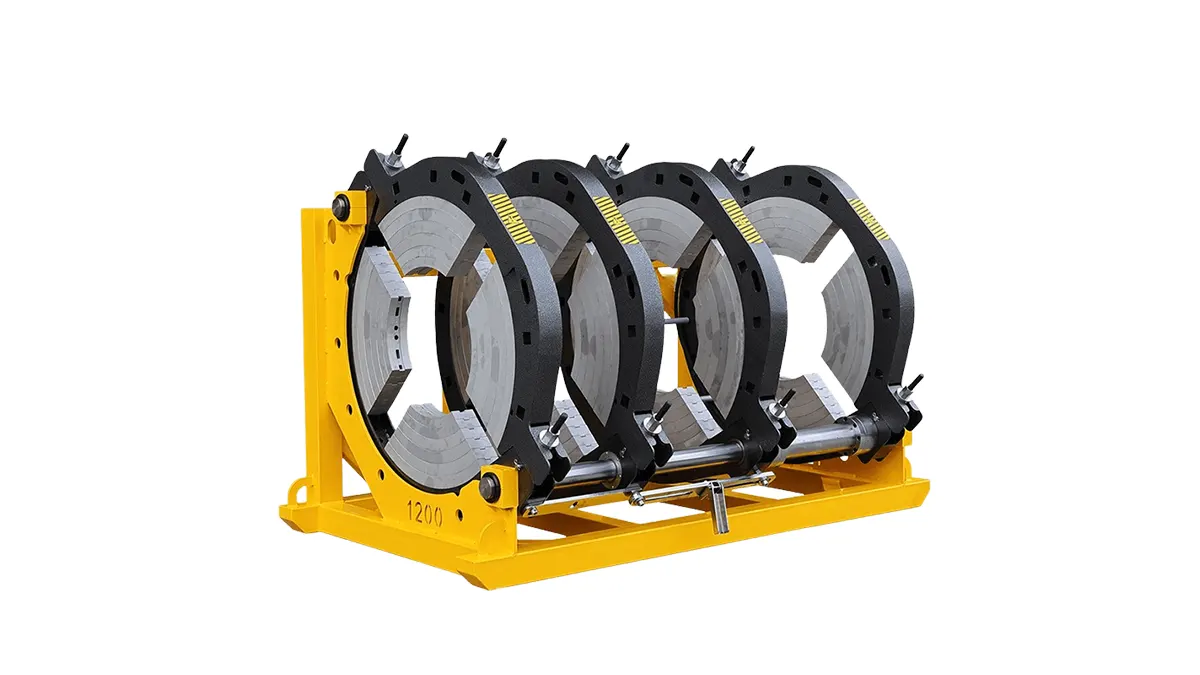
- Hydraulic machines — suited for medium to large diameter lines where precise pressure control is essential.
- Automatic/CNC machines — for high-volume utility projects and pipeline contractors demanding consistent weld records.
- Multi-angle fitting machines — useful for complex networks in urban redevelopment and treatment plants.
| Machine Type | Pipe Range | Typical Sri Lanka Use |
|---|---|---|
| Manual Butt Fusion | 20mm–315mm | Village water lines, irrigation repairs, small contractors |
| Hydraulic Butt Fusion | 63mm–2000mm+ | Municipal supply, drainage, industrial plants |
| Automatic / CNC | 63mm–630mm (typical) | Large pipeline projects, utilities requiring traceable weld logs |
| Multi-Angle Fitting Machine | Fittings up to 1600mm | Complex junctions in treatment plants and industrial sites |
How to Choose the Right Machine for Your Project
Consider these Sri Lanka-specific factors when purchasing or renting fusion equipment:
- Project scale — manual units for small rural works; hydraulic or CNC for city infrastructure and long-distance mains.
- Power availability — ensure on-site generators or mains can run heaters and hydraulic units in remote locations.
- Portability — lightweight frames help where access is restricted by narrow roads or paddy lands.
- Training and certification — invest in operator training to meet international fusion standards and local municipal requirements.
- After-sales and spare parts availability — choose manufacturers who support shipping to Sri Lanka and provide technical support.
Installation Best Practices for Tropical & Coastal Conditions
To maximize joint integrity and pipeline longevity in Sri Lanka’s environment:
- Follow precise heating and cooling cycles — humidity and ambient temperature affect fusion parameters.
- Control trench compaction and bedding to reduce point loading and settlement.
- Include UV protection and burial depth recommendations for exposed runs near coastlines.
- Perform destructive and non-destructive testing per accepted standards and document each weld.
Compliance, Shipping and Local Support
Importers and contractors should verify compliance with local standards and engage suppliers who understand Sri Lankan customs, logistics and on-the-ground constraints. Local training programs and timely spare parts delivery shorten project schedules and lower downtime.
Final Note
Reliable HDPE fusion equipment and proper operator training are essential to build durable, low-maintenance pipelines across Sri Lanka — from urban water networks to agricultural irrigation. Choose machines that match your scale, provide clear weld records, and offer dependable service support for long-term success.



