
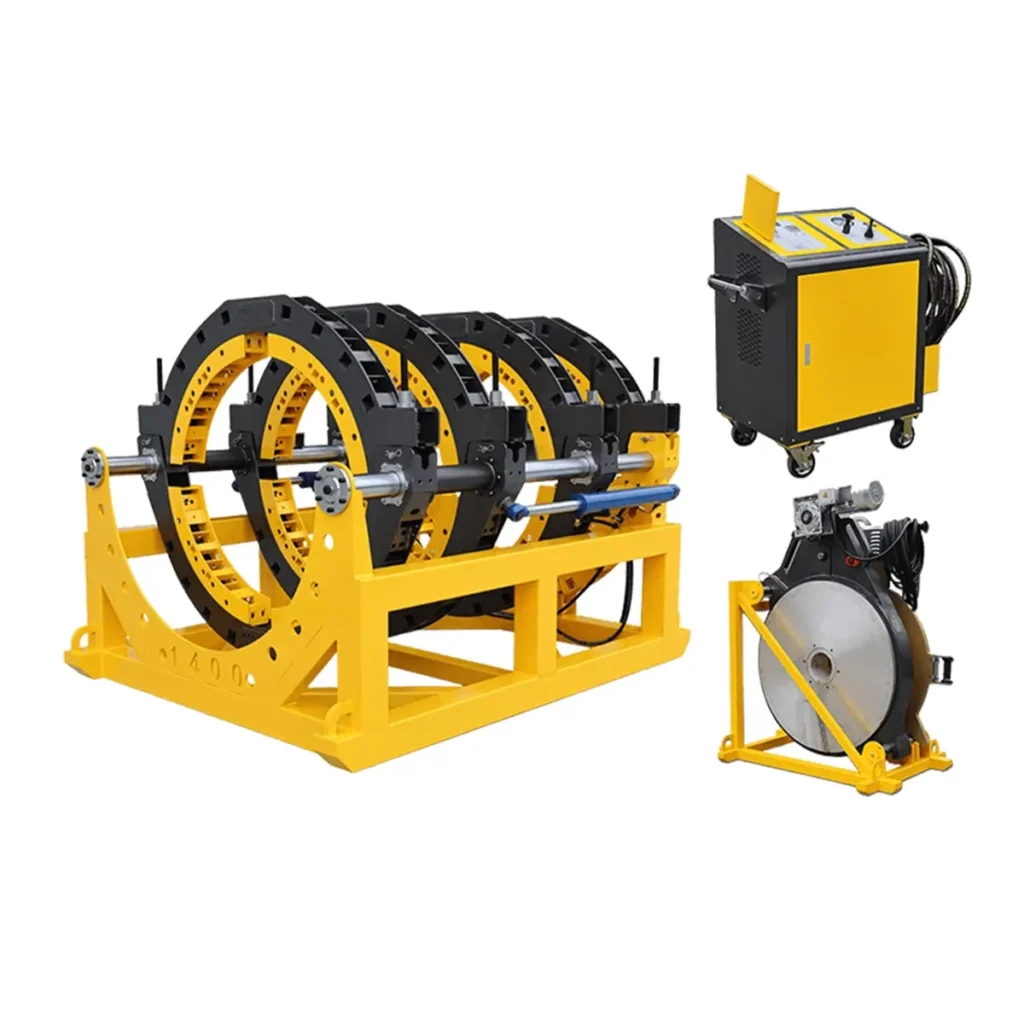
Butt fusion welding is a cornerstone technology for building durable HDPE pipeline systems across Turkmenistan’s energy, municipal water, and irrigation projects. This guide explains practical benefits, local considerations, and machine options suited to Turkmenistan’s climate and infrastructure needs, helping contractors and engineers choose reliable equipment for long-term performance.
Why Butt Fusion Is Ideal for Turkmenistan Projects
Turkmenistan’s expanding pipelines for water distribution, gas networks, and agricultural irrigation demand joints that resist corrosion, ground movement, and temperature swings. Butt fusion welding produces homogeneous, leak-free joints that outperform mechanical fittings in remote, arid regions. For local contractors and project managers, this means fewer maintenance calls across long distances and a lower lifecycle cost for pipeline networks.
Key Advantages for Local Contractors
Reliable performance in high-silt irrigation systems, consistent weld strength for long gas trunk lines, and portability for field crews working far from urban centers. Machines that are easy to transport and operate reduce downtime during seasonal construction windows and help meet tight project schedules.
Select Models & Typical Applications
| Model | Pipe Range (mm) | Control Type | Ideal Use |
|---|---|---|---|
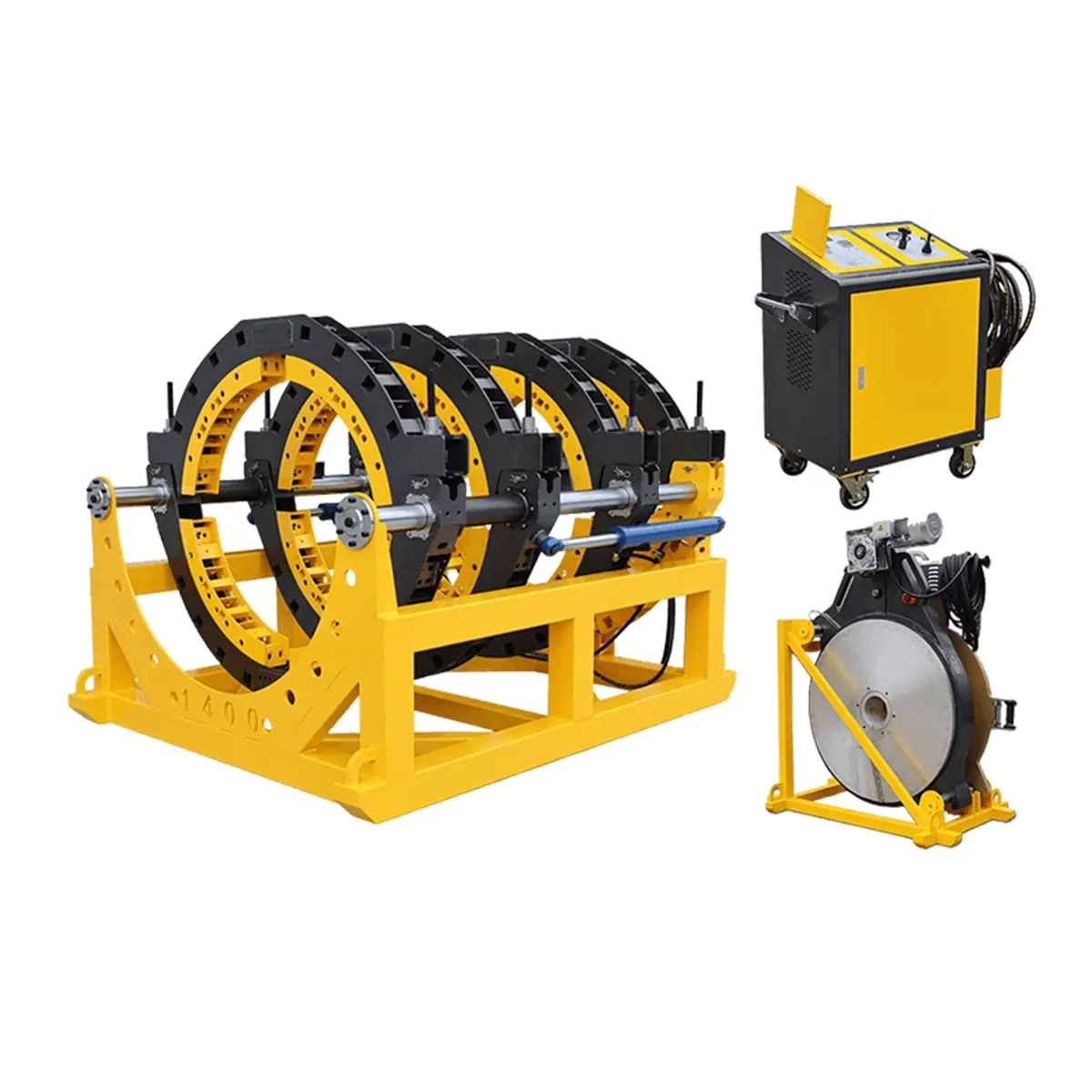
| Hydraulic Large-Diameter | 630 – 2250 | Hydraulic | Major trunk lines, industrial pipelines |
| Semi-Automatic Mid-Range | 160 – 630 | Electric / CNC option | Municipal water, gas distribution |
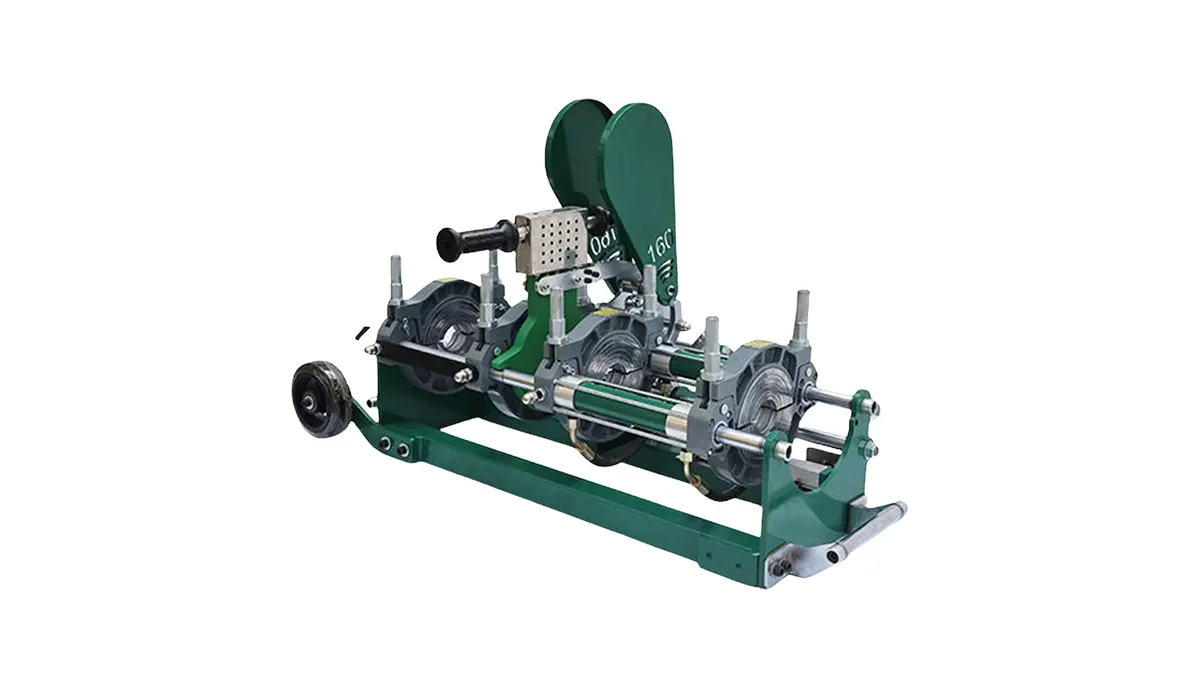
| Portable Manual Units | 20 – 160 | Manual | Rural irrigation, repairs, confined spaces |
Technical Features to Prioritize
Precision clamping and stable heating plates are essential for consistent bead formation in Turkmenistan’s dusty environments. Look for machines with sealed hydraulic systems and easy-to-clean components to reduce downtime after site transfers across desert roads. Digital control or CNC interfaces are recommended where weld traceability and repeatable cycles are required for regulatory compliance.
Installation, Training & After-Sales Considerations
Local crews benefit from hands-on training focused on preparation, alignment, and post-weld inspection methods that account for sandy, low-humidity conditions. Machines with remote diagnostic support and modular spare parts reduce lead times when importing replacements. For long-term success in Turkmenistan, factor in logistics for transporting heavy hydraulic units and plan for seasonal variations in field work.
Environmental & Regulatory Notes for Turkmenistan
Projects tied to gas and water utilities must meet national safety standards and often require weld records. Automated machines with data export simplify documentation for government inspections. Additionally, consider corrosion protection and UV-resistant pipe materials for above-ground installations common in agricultural infrastructure.
Choosing a Reliable Supplier
For turnkey butt fusion solutions, consider manufacturers with a broad product range, proven quality control, and the ability to supply spare parts across long distances. JQ-Fusion (https://jq-fusionwelding.com/) offers a selection of manual, hydraulic, and CNC automatic butt fusion machines designed to support global infrastructure projects with customizable options and technical support.
Next Steps for Project Planning
Assess pipe diameters, expected daily welds, and site mobility requirements before selecting a machine. For large-scale pipeline programs in Turkmenistan, prioritize robust hydraulic units with proven track records; for rural or intermittent work, portable and semi-automatic machines deliver flexibility and quick setup. Proper training and spare parts planning will ensure uninterrupted progress through construction seasons.
Ready to specify equipment? Gather project specs—pipe size, expected weld volume, and site access—and consult with an equipment partner to match a machine to Turkmenistan’s operational realities and climatic challenges.



