
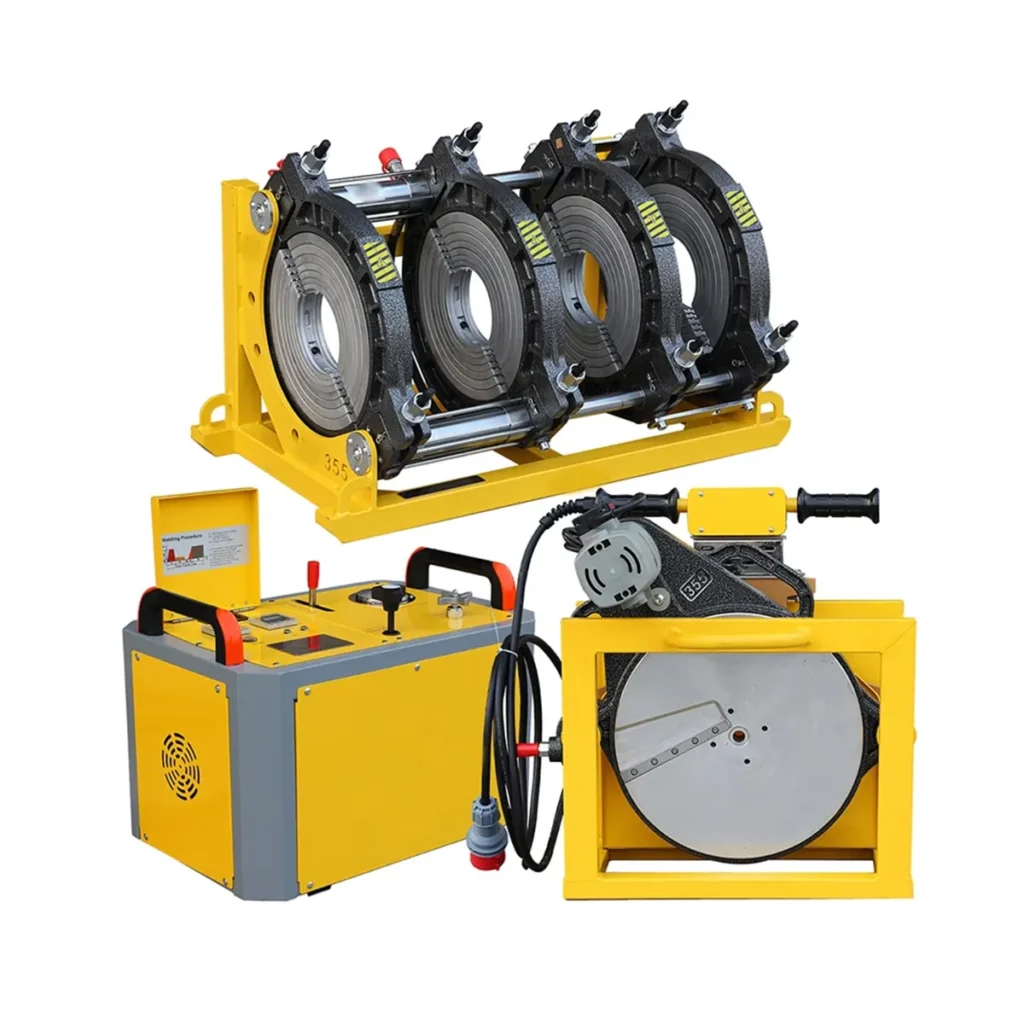
Reliable HDPE pipe welding is essential for long-lasting water, gas, and industrial pipeline systems in Germany. Skilled welding ensures leak-free joints, efficient installation, and compliance with local regulations — all critical for contractors, municipal utilities, and engineering firms across German states from Bavaria to Schleswig-Holstein.
Expert HDPE Butt Fusion & Electrofusion Services
HDPE pipe welders use proven techniques such as butt fusion and electrofusion to create uniform, high-strength joints. German projects demand precision and traceability: consistent weld quality minimizes maintenance and meets stringent safety expectations for drinking water and gas networks.
Common Applications in Germany
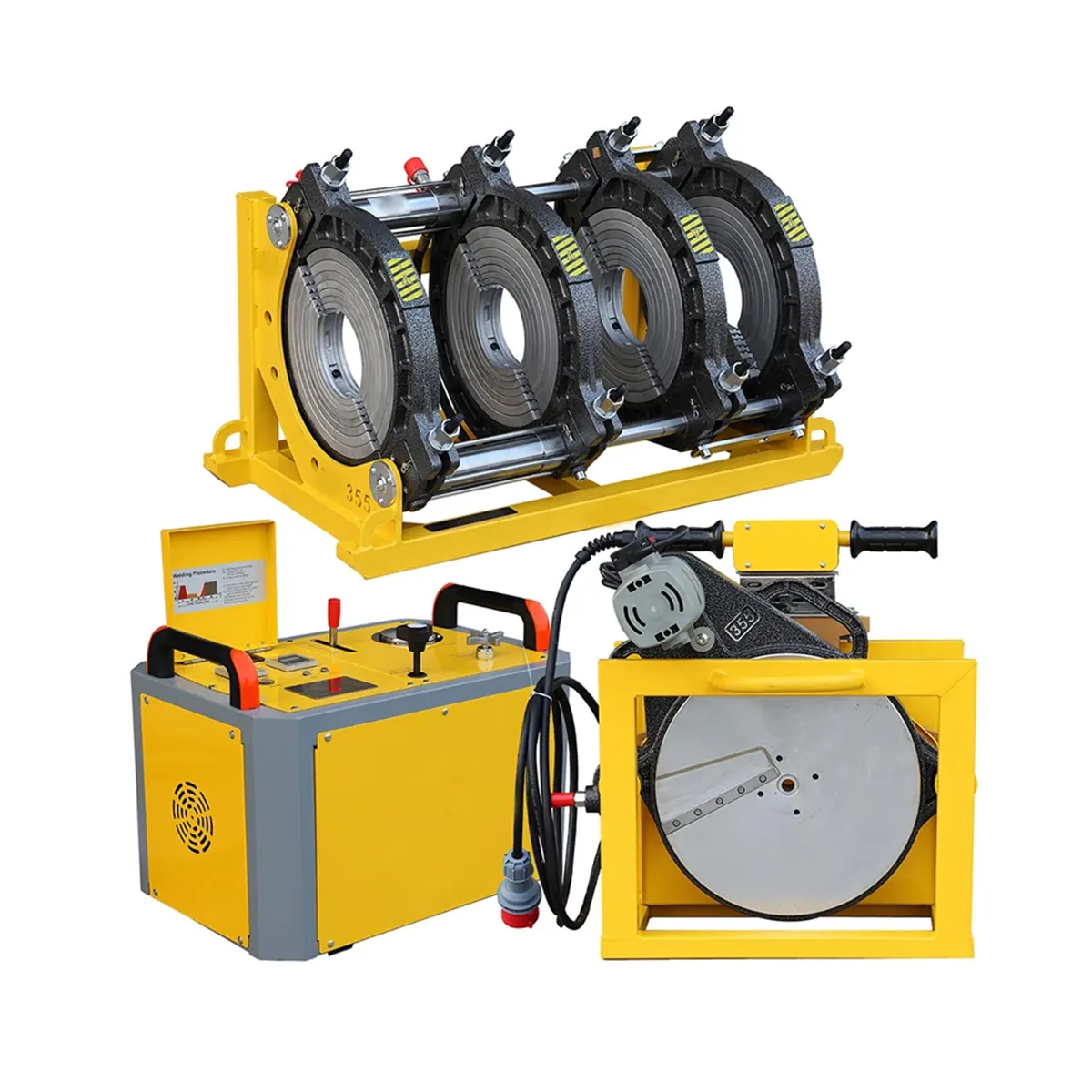
From urban water mains and rural irrigation systems to gas distribution and industrial process lines, HDPE piping is widely used because of its corrosion resistance and flexibility. In regions with colder winters, proper fusion technique prevents brittle failures; in coastal or industrial zones, HDPE resists chemicals and saline exposure.
Welding Methods & When to Use Them
Butt fusion is ideal for long, continuous runs of pipes (DN63 up to large diameters), delivering uniform molecular bonds. Electrofusion provides quick, controlled connections for fittings and repairs in tight spaces. Skilled welders choose the method that matches pipe size, site conditions, and project timelines.
Compliance, Standards & German Requirements
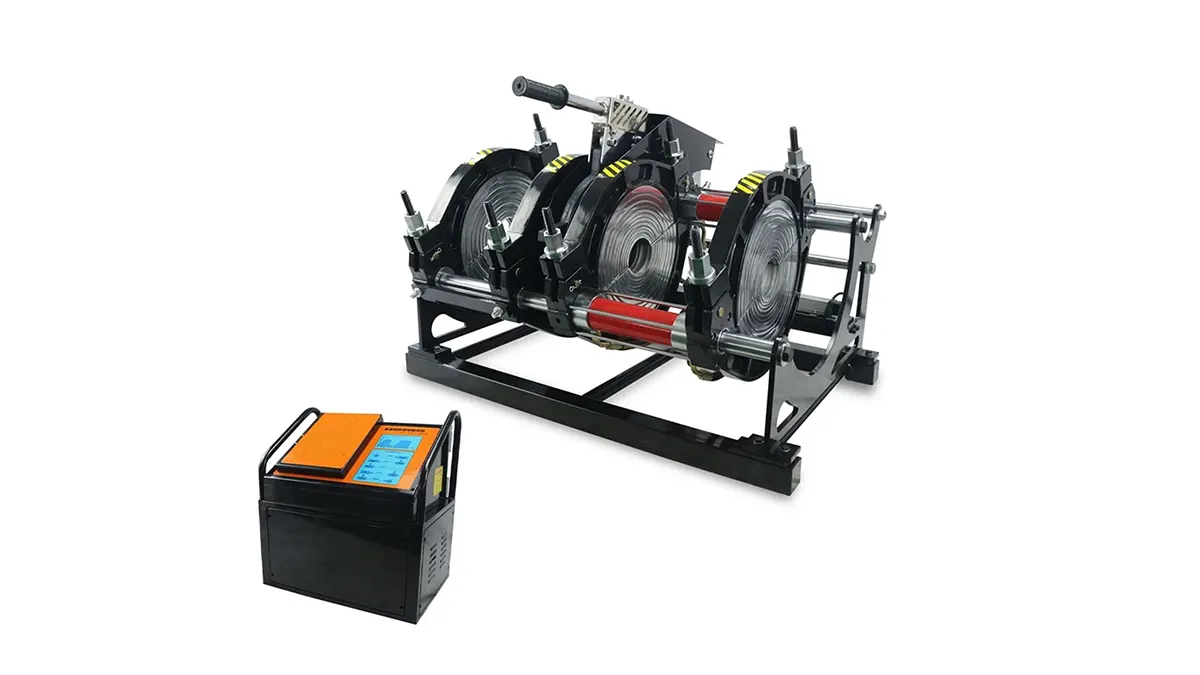
Projects in Germany typically reference national and European standards for plastics piping systems (including DVGW recommendations for gas and drinking water). Documented welding procedures, operator qualification records, and weld traceability are often required by local authorities and large contractors.
What Local Contractors Expect
German contractors value machines and services that offer:
• Robust equipment suited to outdoor sites and harsh weather
• Precise heating and alignment control for repeatable welds
• Clear documentation and service support for compliance audits
Machine & Service Comparison
| Type | Pipe Range | Best for |
|---|---|---|
| Manual Butt Fusion | Small to medium (e.g., 20–400mm) | Repair work, tight budgets, remote sites |
| Hydraulic Butt Fusion | Medium to large (e.g., 160–1200mm) | Municipal mains, industrial pipelines |
| Automatic/CNC Butt Fusion | All sizes up to very large diameters | High-volume production, large infrastructure projects |
Quality Assurance & Best Practices
Consistent weld quality starts with machine calibration, clean pipe ends, controlled heating profiles, and trained operators. For German jobs, ensure weld logs are saved, photographs or weld maps are provided, and any test coupons or destructive tests required by the client are conducted.
Typical Project Timeline
Site prep and pipe layout — 1–3 days (depending on length and trenching). Fusion operations — ongoing with daily weld documentation. Final testing and commissioning — pressure testing and regulatory sign-off within project schedule.
Why Partner with a Trusted Equipment Supplier
JQ-Fusion supplies a wide range of butt fusion and electrofusion welding machines tailored for global infrastructure, supporting German contractors with durable equipment and reliable technical backup.
Next Steps for German Contractors
If you are planning a pipeline installation, assess pipe diameters, project timeline, and local compliance needs. Choosing the right welding method and equipment reduces rework and ensures long-term system integrity — especially important for public utilities and safety-critical gas networks.
For technical specifications, machine models, and service support, visit the company website for detailed product pages and contact options.



