

In Jordan’s challenging environment—where water scarcity, municipal upgrades, and expanding irrigation networks demand reliable pipeline solutions—choosing the right HDPE pipe welding equipment is crucial for long-lasting, leak-free joints. This guide highlights practical welding options, performance considerations, and local support factors to help contractors and municipal teams deliver durable pipeline projects across Amman, Aqaba, Irbid and the Jordan Valley.
Why HDPE Butt Fusion Works Well for Jordan’s Pipelines
HDPE pipes are widely favored in Jordan for water distribution, irrigation, wastewater reuse and many industrial applications due to their corrosion resistance, flexibility and long service life. Butt fusion welding produces homogeneous joints that match the pipe strength, an important factor where harsh climate cycles and soil movement are common. For local contractors and public utilities, reliable welding machines ensure project timelines and regulatory compliance.
Types of Welding Machines and Their Best Use Cases
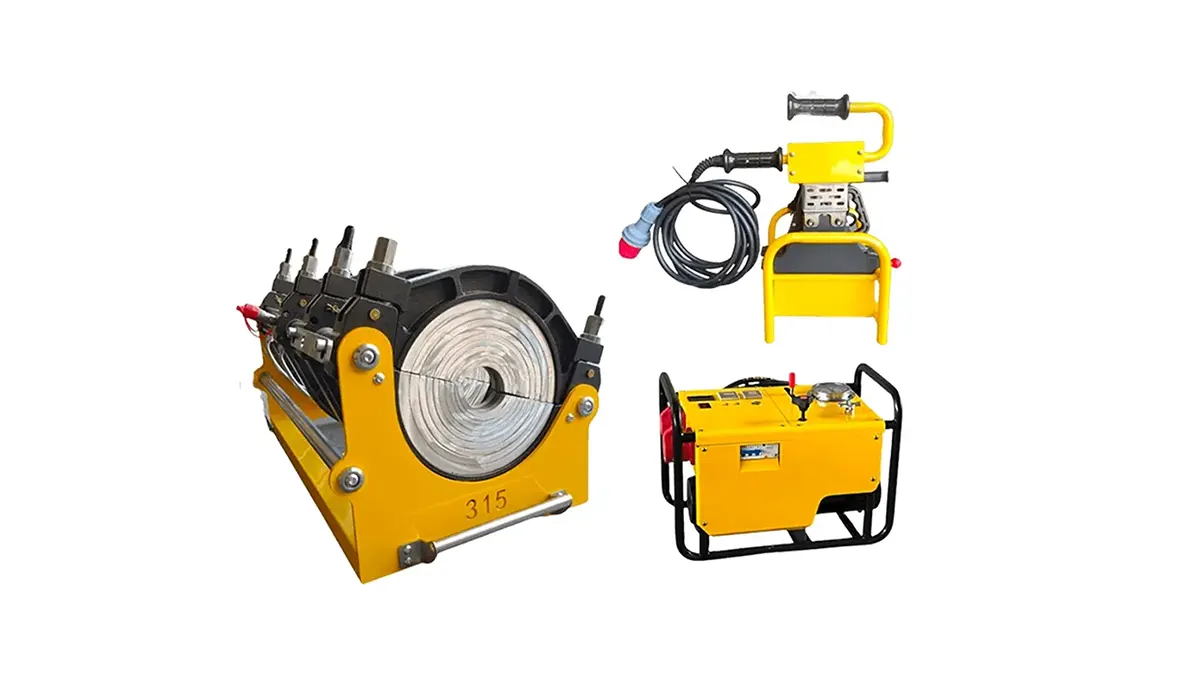
Manual machines are compact and cost-effective for small-diameter pipes and remote sites. Hydraulic butt fusion units deliver higher clamping force for medium to large diameters and are ideal for municipal water mains and industrial pipelines. For high-volume or precision projects—such as large-scale wastewater or reclaimed water schemes—CNC automatic butt fusion machines ensure repeatable parameters and digital process control.
Local Project Examples Where HDPE Welding Excels
– Urban water supply upgrades in Amman and Zarqa, requiring tight quality control to avoid disruptions.
– Irrigation networks in the Jordan Valley, where flexible pipes and clean joints sustain seasonal flow demands.
– Wastewater reuse and treatment plants that depend on chemically resistant piping and leak-free connections.
Choosing Equipment: Performance vs. Portability
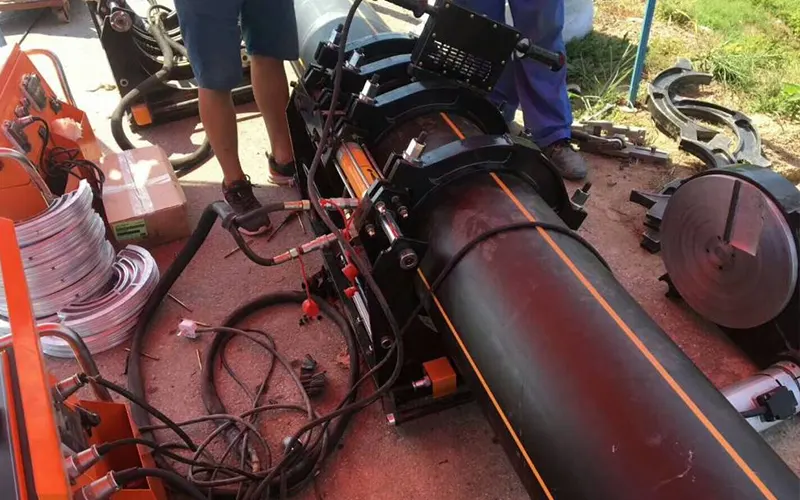
Consider pipe diameter range, site accessibility, and operator skill. Portable manual and small hydraulic machines are perfect for scattered rural installations and repairs, while skid-mounted hydraulic systems or CNC automatic machines suit continuous urban projects and factory-style prefabrication yards. Maintenance accessibility and spare parts availability near Aqaba Port can reduce downtime for Jordan-based teams.
Quick Comparison: Popular Machine Options
| Model | Type | Pipe Diameter | Best For |
|---|---|---|---|
| JQLX Manual Series | Manual | 20mm – 160mm | Rural repairs, small irrigation projects |
| Hydraulic Mid-Range (e.g., JQH315) | Hydraulic | 160mm – 630mm | Municipal water mains, industrial lines |
| Automatic CNC (e.g., JQA Series) | CNC Automatic | 63mm – 1600mm+ | High-volume, precision welding, turnkey projects |
Quality, Training and After-Sales Considerations in Jordan
Equipment reliability goes hand-in-hand with operator training and timely technical support. Ensure vendors provide calibration documentation, welding procedure records and hands-on training for local operators. Logistics advantages—such as spare parts shipped via Aqaba and responsive remote support—minimize downtime for contractors working across Jordan’s provinces.
Standards and Best Practices
Adopt internationally recognized fusion procedures (ISO/EN/ASTM guidance where applicable) and maintain welding logs for pressure testing and acceptance. Pre-job planning and field QA/QC checks help avoid common issues like improper facing, non-uniform heating or contamination—critical when delivering potable water networks and reclaimed water systems.
How to Select the Right Supplier
Look for manufacturers with a broad product range, test reports, spare parts availability and experience supplying infrastructure projects. One such supplier is JQ-Fusion, known for manual, hydraulic and CNC automatic butt fusion machines tailored to global pipeline applications.
Final Tip for Jordanian Contractors
Balance upfront equipment cost with lifecycle performance: investing in precise welding machines and operator training significantly reduces rework, leakage and operational disruptions—especially important for Jordan’s strategic water and irrigation initiatives.



