
Choosing the best pipe welding machine for industrial and construction projects in Estonia means balancing durability, cold-weather performance, and productivity. Municipal waterworks, gas networks, and large civil projects across Estonia demand reliable HDPE butt fusion and electrofusion solutions that handle long runs, rocky site conditions, and strict quality requirements.
Why the right pipe welding machine matters in Estonia
Estonia’s climate, seasonal frost, and dispersed rural networks create unique challenges: onsite welding windows can be short, trench access may be limited, and crews often work far from service centers. Selecting a machine built for robust field work reduces rework, prevents leak risks, and speeds up project timelines for contractors, utilities, and infrastructure integrators.
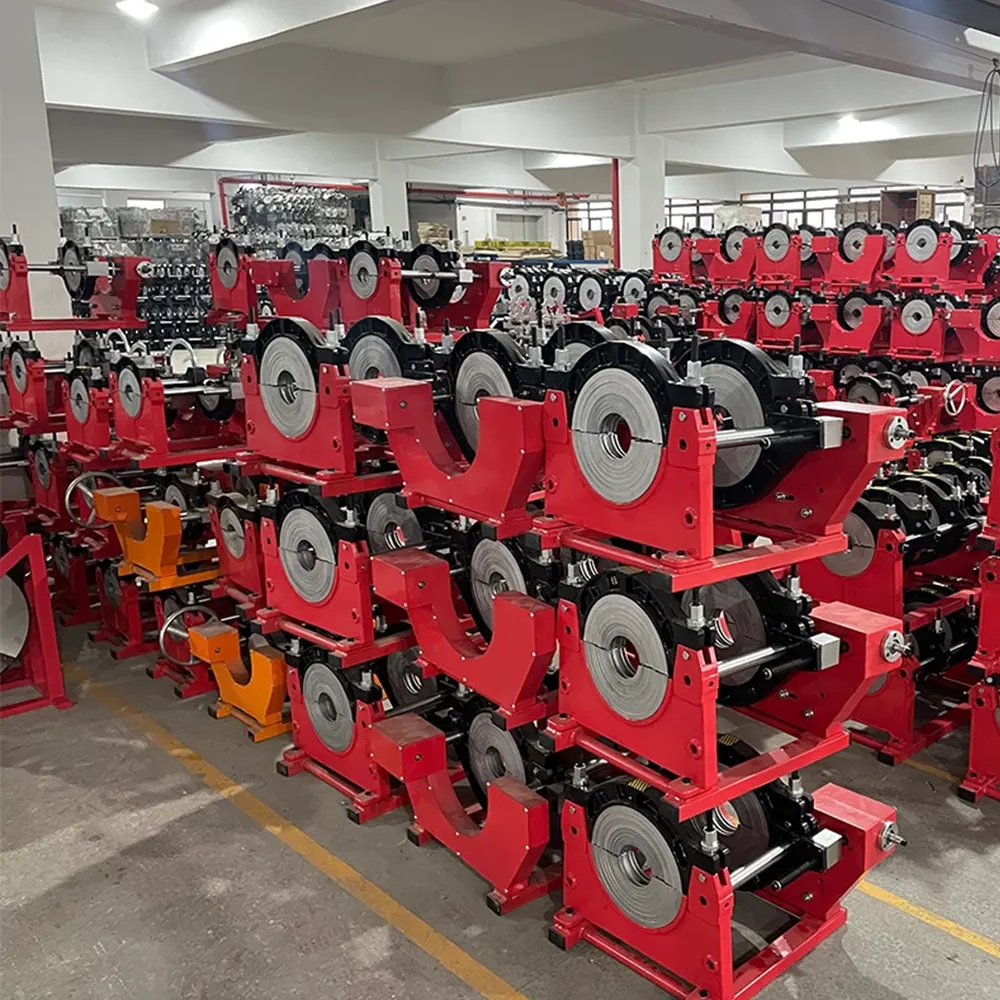
Which technology fits industrial & construction needs?
Manual butt fusion – Best for small-diameter pipes, tight budgets, and remote sites where portability and low maintenance are priorities. Manual units are simple to operate and ideal for repair teams and rural installers.
Hydraulic butt fusion – The workhorse for medium to large diameters used in municipal water, gas distribution, and industrial process lines. Hydraulic machines provide consistent pressure control and faster cycle times for high-volume pipelines.
Automatic / CNC butt fusion – For large projects and factory-style prefabrication, automatic machines deliver precise, repeatable weld parameters and integrated logging for QA/QC — valuable when meeting strict procurement and certification standards.
Electrofusion systems – Perfect for fittings, service connections, and patch repairs where fusion heating is applied through specialized couplers. Electrofusion offers clean, controlled joints in tight or confined installations.
Quick comparison table: Machines suited for Estonia’s industrial & construction sectors
| Machine Type | Typical Pipe Diameter | Key Advantages | Best Use-case |
|---|---|---|---|
| Manual Butt Fusion | 20–315 mm | Portable, low-cost, easy repair | Rural repairs, service lines |
| Hydraulic Butt Fusion | 160–2000 mm | High pressure control, fast cycles | Main distribution, industrial pipelines |
| Automatic / CNC | 63–1250+ mm | Repeatable, data-logging, QA-ready | Large contracts, prefabrication yards |
| Electrofusion | 20–800 mm (fittings) | Clean joints for fittings, easy to control | Service connections, complex networks |
Key specs to evaluate before buying
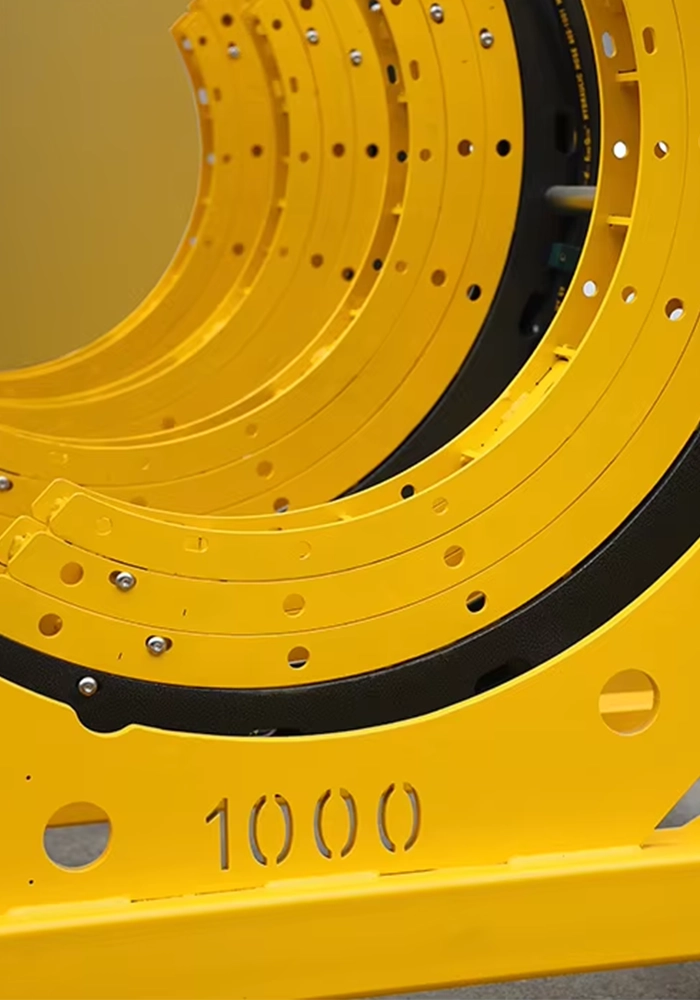
Diameter range and clamping options: Match the machine to the maximum pipe diameter used across your Estonian projects — from small service laterals to large trunk mains.
Power and portability: Consider whether the unit will be transported to remote sites or used in a controlled yard. Battery-powered accessories and compact frames make field work easier during short daylight winter months.
Control & logging: Automatic welders with digital controllers and traceable weld logs are essential for public utilities and large contractors who require certified records.
Local (Estonia) considerations: regulations, workforce & climate
Estonian projects commonly use PE100/PE80 pipes for drinking water and gas. Ensure your welding procedures meet local standards and that operators are trained to comply with EU/Estonian certification requirements. Cold weather affects material stiffness and heating plate performance — scheduling welds during milder periods and using protective tents or heaters helps maintain consistent weld quality.
Contractors in Tallinn or Tartu often demand machines with fast setup and clear multilingual interfaces, while rural crews prioritize robust, repairable equipment with easily sourced spare parts.
Maintenance, spares & operator training
Frequent checks of heaters, hydraulic seals, and clamp surfaces will extend machine life. Stock common consumables (heating plates, trimming tools, hydraulic oil) locally or ensure fast shipping from suppliers. Invest in operator training and weld procedure documentation — this lowers field failure rates and reduces costly rework.
Buying tips for Estonian buyers
1) Choose machines with clear data-logging for project audits. 2) Verify spare parts availability in the EU/Baltics and ask about on-site service options. 3) Consider rental vs purchase for one-off large projects. 4) Request cold-weather operation references and warranty terms.
Contact & supplier note
For reliable HDPE butt fusion solutions tailored to industrial and construction demands, learn more about the manufacturer’s range and custom options at https://jq-fusionwelding.com/



