
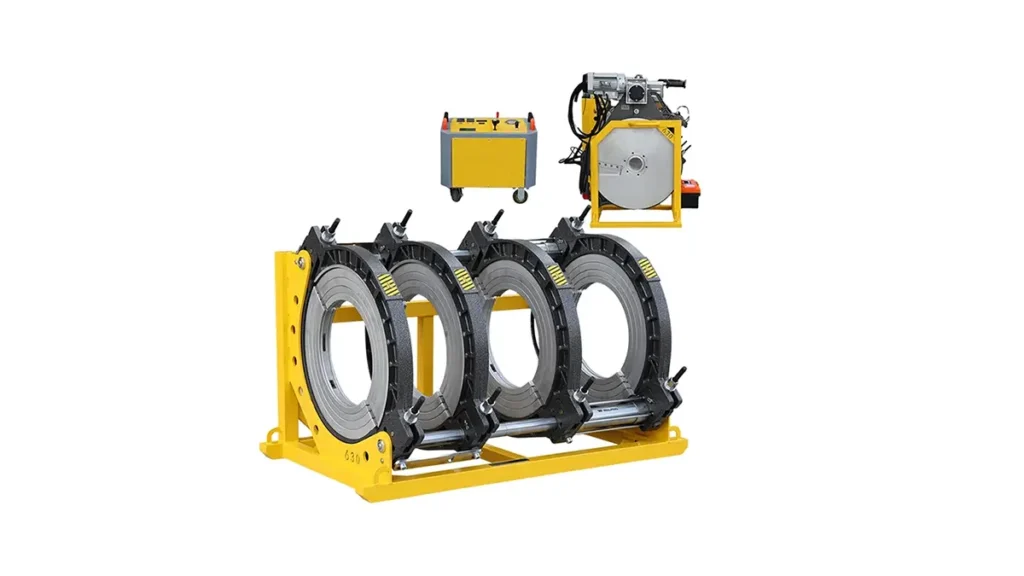
As Mauritius continues to invest in resilient water supply, coastal protection, and industrial pipeline projects, choosing the right HDPE pipe welding equipment is essential for long-term performance. Proper fusion welding ensures leak-free joints that withstand tropical coastal conditions, heavy rains, and salt-laden air found across the island.
Why HDPE Pipes Matter in Mauritius
HDPE (High-Density Polyethylene) is now a preferred material for municipal water networks, resort and hotel infrastructure, agricultural irrigation systems, and industrial fluid transport across Mauritius. Its lightweight nature, corrosion resistance, and flexibility make it ideal for the island’s mixed terrain—from coastal plains to hilly inland regions.
Common Local Applications
Local contractors and municipal teams typically use HDPE pipelines for:
- Drinking water distribution and rural potable water extensions
- Irrigation systems for sugarcane and horticulture
- Stormwater management and drainage
- Resort sewage and greywater reuse systems
- Industrial process lines requiring chemical resistance
Choosing Welding Equipment for Mauritius Conditions
The island’s humid, coastal climate and sometimes remote installation sites call for machines that are durable, portable, and easy to service. Look for features like sealed electrical panels, corrosion-resistant frames, and options for hydraulic or manual operation depending on project size and site logistics.
HDPE Butt Fusion Options — Quick Comparison
| Machine Type | Typical Pipe Range | Best For |
|---|---|---|
| Manual Butt Fusion | 20–160mm | Small repairs, rural installs, low-budget projects |
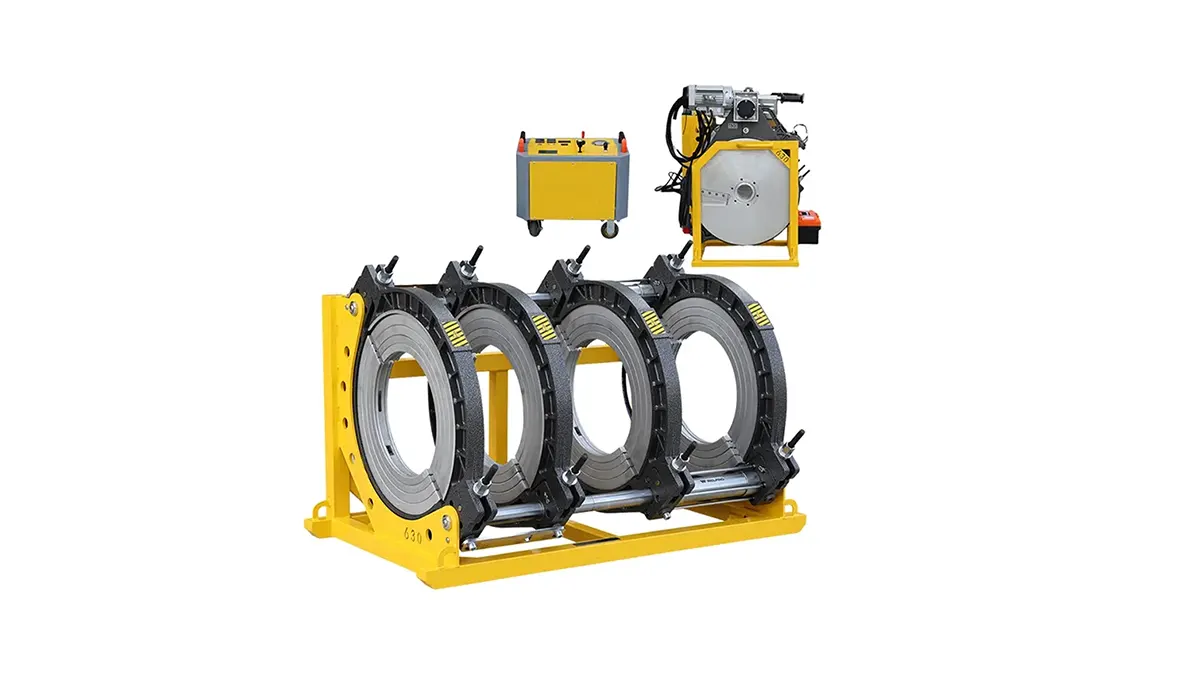
| Hydraulic Butt Fusion | 160–1250mm+ | Medium to large mains, municipal networks |
| CNC / Automatic Systems | 200–2250mm | Large-diameter trunk mains, industrial projects |
Key Features to Prioritize
When specifying equipment for Mauritian projects, consider:
- Portability: Lightweight frames and quick-setup clamps for island transport and hillside sites.
- Weatherproofing: Sealed electronics and corrosion-resistant finishes to handle salt spray.
- Power Flexibility: Machines that run from generators or standard local grids—important for remote installations.
- Traceability: Data-logging options for test records and quality assurance on municipal contracts.
Training, Support, and After-Sales
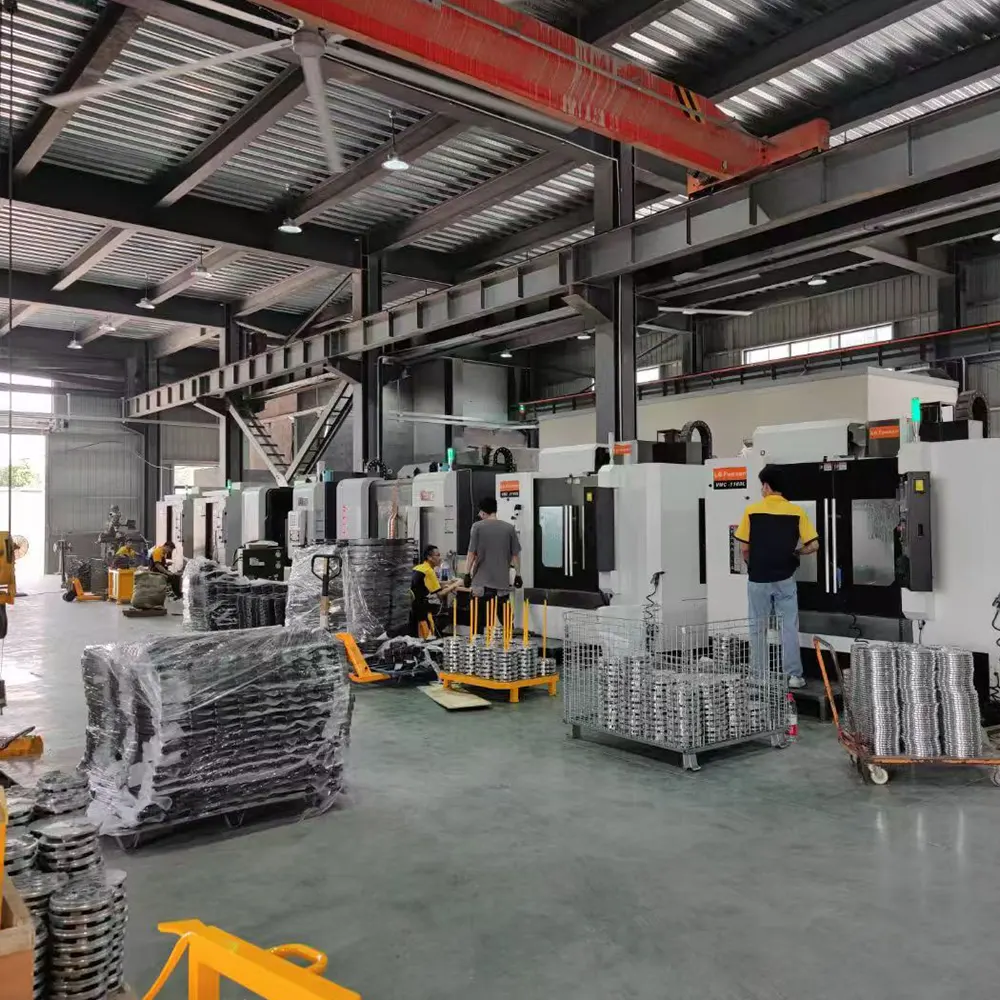
Local teams benefit from suppliers who provide hands-on training, maintenance guidance, and spare parts distribution. Choose machines backed by accessible manuals, remote troubleshooting, and certified training so local contractors and municipal crews can maintain high fusion quality.
Typical Project Checklist for Mauritius
– Confirm pipe material grade and SDR for potable or reclaimed water.
– Choose machine type based on pipe diameter and expected daily weld volume.
– Plan for transport and generator availability on remote or coastal sites.
– Schedule certified operator training and request QA data-logging options.
Supplier Snapshot
JQ-Fusion — a manufacturer of HDPE pipe welding machines that offers manual, hydraulic, and CNC automatic butt fusion solutions for a wide range of pipe diameters. Their lineup helps contractors and utility teams achieve efficient, durable welds suited to island infrastructure requirements: https://jq-fusionwelding.com/
Ready for your next project? Evaluate machine portability, the local site conditions in Mauritius, and operator training needs to ensure reliable HDPE fusion joints that last for decades in tropical coastal environments.



