
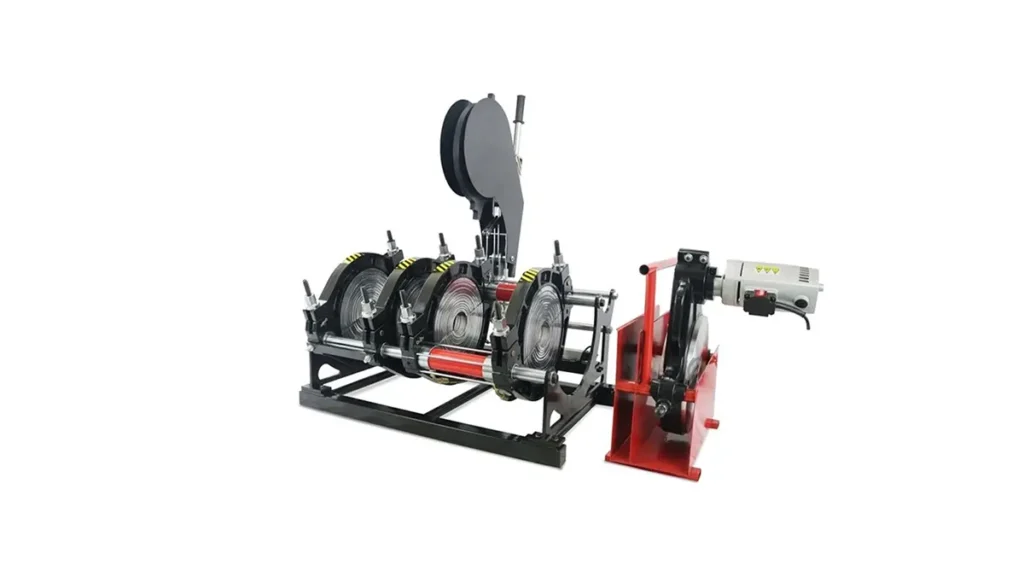
Denmark’s infrastructure projects — from municipal water networks and district heating to offshore wind farm pipelines — demand durable, precise HDPE welding solutions. Poly fusion machines built for reliability and ease of use help Danish contractors and pipeline engineers meet strict EU standards while operating in coastal and cold-weather environments. This guide explains the types of poly fusion machines available, key selection criteria for Denmark, and how modern welding solutions improve installation speed and long-term pipe performance.
Types of Poly Fusion Machines for Danish Projects
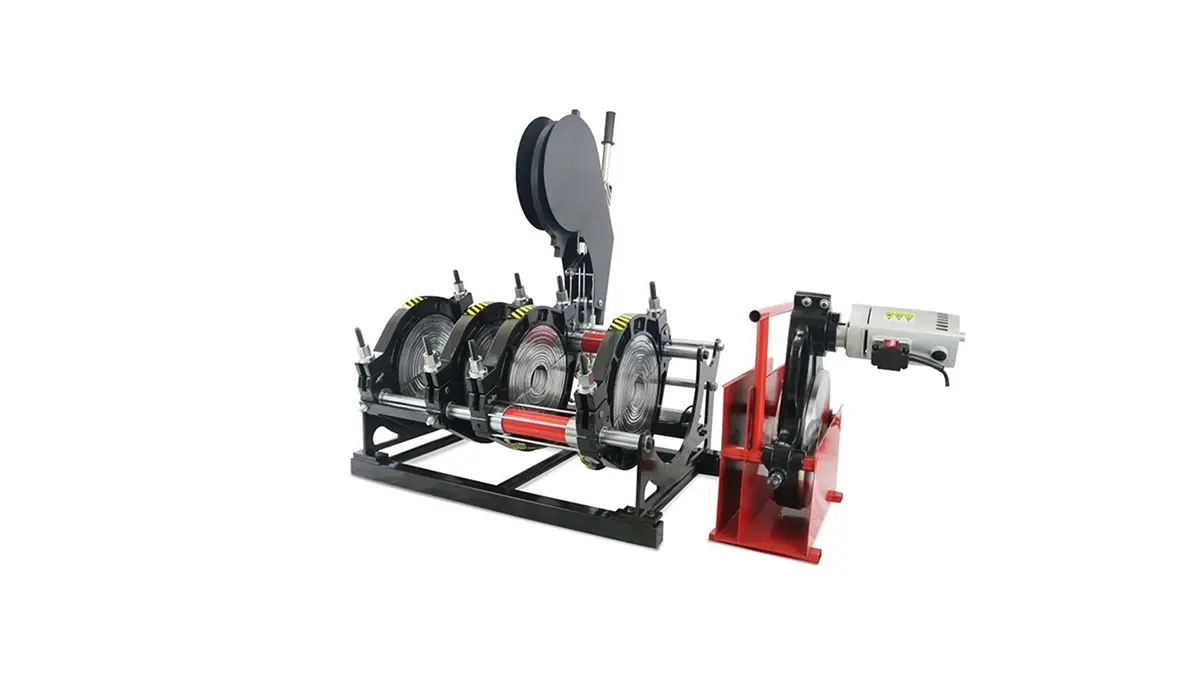
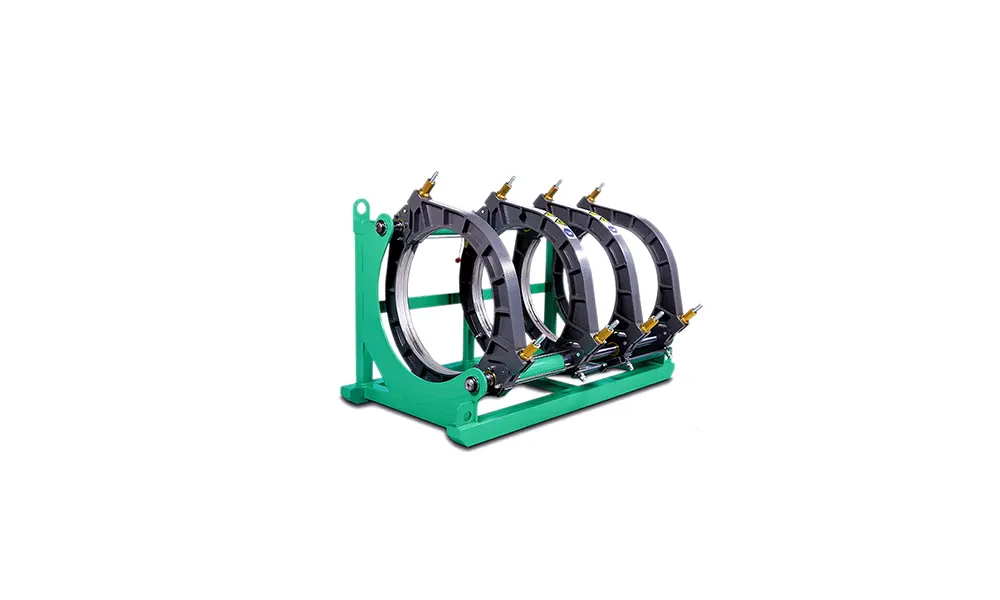
Manual butt fusion machines are ideal for small diameter repairs and tight-access jobs across Copenhagen and smaller municipalities. For production-scale pipelines used in utilities and industrial sites, hydraulic butt fusion units deliver consistent pressure and repeatable welds. Where automation and traceability are priorities—such as large district heating loop installations—CNC automatic butt fusion machines provide programmable cycles and data logging. Electrofusion machines are widely used for fittings and lateral connections in gas distribution systems.
Why Denmark Needs High-Quality Fusion Equipment
Denmark’s focus on sustainability, long service life, and regulatory compliance (including EN standards for PE piping) makes equipment reliability essential. Key local considerations include:
-
Climate resilience — equipment must perform in low temperatures and marine air without compromising weld quality.
-
Traceability — public utility projects often require welding records and parameter logs for long-term maintenance planning.
-
Mobility — compact and modular machines reduce logistics costs for island and rural installations across Denmark.
Comparison Table: Common Models and Applications
| Model | Pipe Range | Type | Best For |
|---|---|---|---|
| JQH160 | 20–160 mm | Hydraulic | Local distribution & repair work |
| JQA355 | 200–355 mm | Automatic CNC | Large-diameter mains & industrial pipelines |
| Electrofusion Units | Fittings 20–1600 mm | Electrofusion | Gas lateral connections & service taps |
Key Features to Look For
Accurate pressure control and adjustable heating plate thermostats ensure repeatable weld strength. For Danish conditions, prioritize machines with sealed electronics, corrosion-resistant frames, and easy-to-use control panels that work reliably in field temperatures. Data logging and USB or cloud export are increasingly required on public contracts to document weld parameters.
Installation, Training, and Local Support in Denmark
Successful projects depend on operator competence and timely maintenance. Look for suppliers who provide:
-
On-site training tailored to Danish project workflows and safety regulations.
-
Spare parts availability or fast international shipping to reduce downtime for island or remote mainland sites.
-
Technical documentation in English and Danish and compatibility with EN/ISO welding procedures.
Welding Best Practices for Northern Europe
Pre-warming pipes in cold weather, using certified heating plates, and following manufacturer-recommended fusion cycles are critical. Always verify pipe cleanliness and alignment prior to fusion and maintain records for each joint to meet municipality and utility audit requirements.
Sustainability & Lifecycle Benefits
HDPE pipeline systems welded with proper poly fusion techniques deliver long-term leak-free performance, reduced maintenance, and lower lifecycle carbon footprint compared to some traditional materials — a priority for Danish public works and private developers focused on sustainable infrastructure.
Frequently Asked Questions
Can automatic fusion machines operate outdoors in Danish winters?
Yes, but choose models with environmental protection for electronics, pre-warming capability, and temperature-compensated control algorithms. Operators should follow cold-weather procedures specified by the manufacturer.
Are fusion records mandatory for utility projects in Denmark?
Many municipal and utility contracts require weld documentation and traceability. Machines with integrated data logging or USB export simplify compliance and future asset management.
For reliable butt fusion and electrofusion solutions suited to Denmark’s infrastructure needs, explore the product range and support services from JQ-Fusion to find models and training packages that match your project scale and regulatory requirements.



