
Cameroon is investing in resilient infrastructure to support urban growth, rural water access, and energy distribution. For contractors, municipalities, and pipeline installers across Douala, Yaoundé and remote regions, choosing the right HDPE fusion equipment ensures durable, leak-free joints for water supply, irrigation and gas distribution networks.
Why HDPE Butt Fusion Is Ideal for Cameroon
HDPE (high-density polyethylene) pipes are lightweight, corrosion-resistant, and flexible—qualities well-suited to Cameroon’s diverse climate and terrain. Butt fusion welding creates strong, homogeneous joints without foreign materials, delivering long-term reliability in pipelines that serve communities and industries. Compared with mechanical fittings, butt fusion reduces maintenance needs and improves joint life under variable soil and weather conditions.
Common Applications in Cameroon
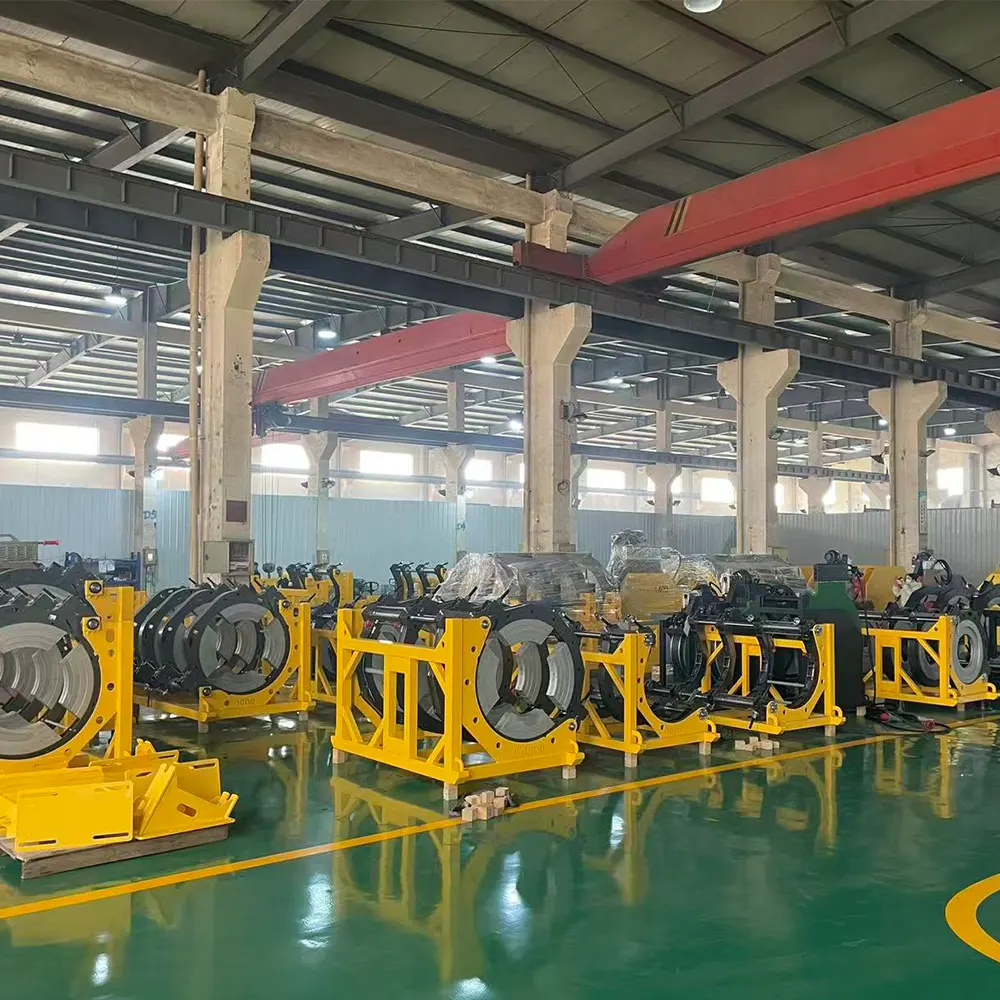
Local use cases include potable water distribution for expanding neighborhoods, irrigation systems for agricultural zones, gas distribution to industrial sites near Douala, and mining or industrial pipelines. Contractors working on government or donor-funded projects often specify HDPE butt fusion for its proven performance and ease of installation in field conditions.
Machine Types — Match Equipment to Project Scale
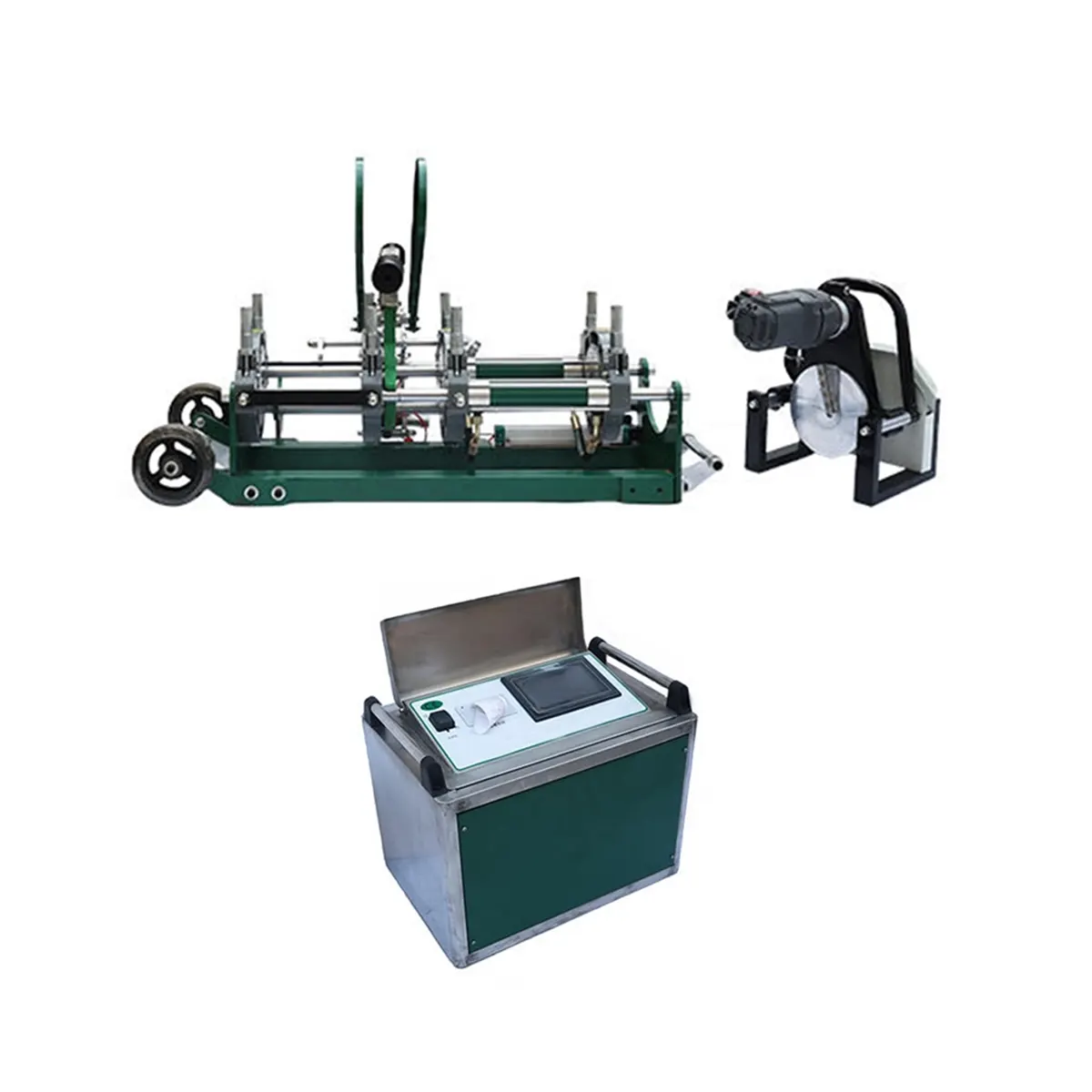
Choosing between manual, hydraulic, and automatic/CNC butt fusion machines depends on pipe diameter, production speed and on-site resources. The table below highlights core differences to help decision-making.
| Machine Type | Best For | Typical Pipe Range | Advantages |
|---|---|---|---|
| Manual Butt Fusion | Small crews & remote sites | 20mm – 630mm | Portable, low cost, easy to maintain |
| Hydraulic Butt Fusion | Medium to large pipelines | 90mm – 1600mm+ | Higher pressure control, faster cycle times |
| Automatic / CNC Butt Fusion | High-volume, precision welding | 125mm – 2250mm+ | Consistent cycles, data logging, reduced operator error |
Selecting Equipment for Cameroon Conditions
Consider terrain, access to electricity, and crew skill level. For remote rural projects, portable manual units paired with basic training can deliver excellent results. Urban or industrial projects often benefit from hydraulic or automatic machines that speed up installation and provide repeatable weld quality. Temperature and humidity in Cameroon can affect cycle times—choose machines with reliable pressure control and clear process indicators to maintain weld consistency.
Installation Best Practices
Follow standard butt fusion procedures: face preparation, proper heating plate temperature, alignment, and controlled cooling. Use calibrated gauges and maintain clear records for each weld to meet contract and regulatory requirements. For municipal projects, documented weld data supports quality assurance and long-term maintenance planning.
Maintenance, Training & Local Support
Regular maintenance—cleaning heating plates, hydraulic fluid checks, and clamp inspection—keeps machines reliable in field conditions. Invest in operator training to reduce rework and downtime. Many local contractors in Cameroon prefer machines that are easy to service with commonly available spare parts.
Ordering and After-Sales Service
For tailored machine recommendations, spare parts, and training packages, explore the manufacturer’s official site: JQ-Fusion. Partnering with a supplier that offers clear documentation and responsive technical support is essential for project success across Cameroon’s urban and rural projects.
Quick checklist: Confirm pipe size range, site power availability, crew skill level, and warranty/parts availability before purchase to ensure the selected HDPE fusion machine meets on-site demands and long-term maintenance goals.



