
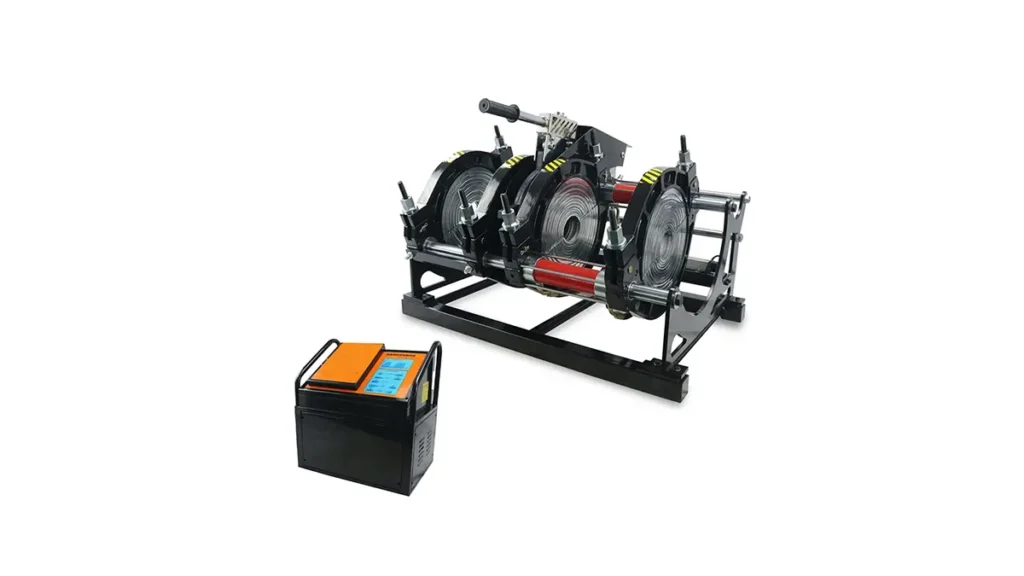
Yemen’s growing need for reliable pipeline infrastructure — from urban water networks to oil, gas, and agricultural irrigation systems — demands robust butt fusion welding equipment that performs in hot, dusty, and often remote conditions. This guide explains how to find dependable butt welding machine manufacturers and tailored solutions for projects across Yemen, including practical advice for contractors, utilities, and engineering teams.
Why Choose Professional Butt Welding Machines for Yemen Projects
Butt fusion is the preferred joining method for HDPE pipelines used in Yemen because it delivers leak-free, corrosion-resistant joints ideal for potable water, sewage, gas distribution, and oilfield operations. High temperatures, variable site conditions, and the need for long-term reliability make machine quality and after-sales support critical.
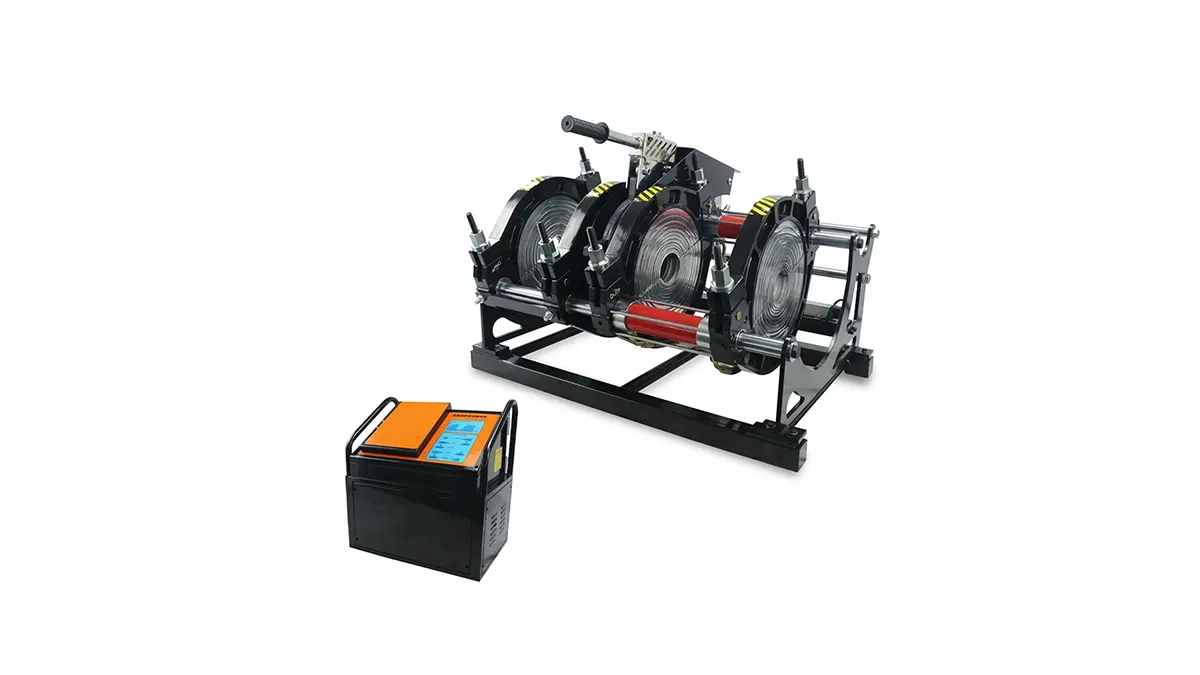
Key Considerations for Local Contractors and Engineers
When specifying equipment for Yemen, evaluate: portability for sites without paved roads, resistance to sand and heat, power options (electric, diesel generator compatibility), and simple controls for crews with mixed experience. Import logistics via Aden or Hodeidah ports and availability of spare parts should influence your supplier choice.
Product Range and What Fits Different Yemen Applications
Manufacturers typically offer three main categories suitable for Yemen:
- Manual butt fusion machines — compact and ideal for small-diameter distribution lines and remote repairs.
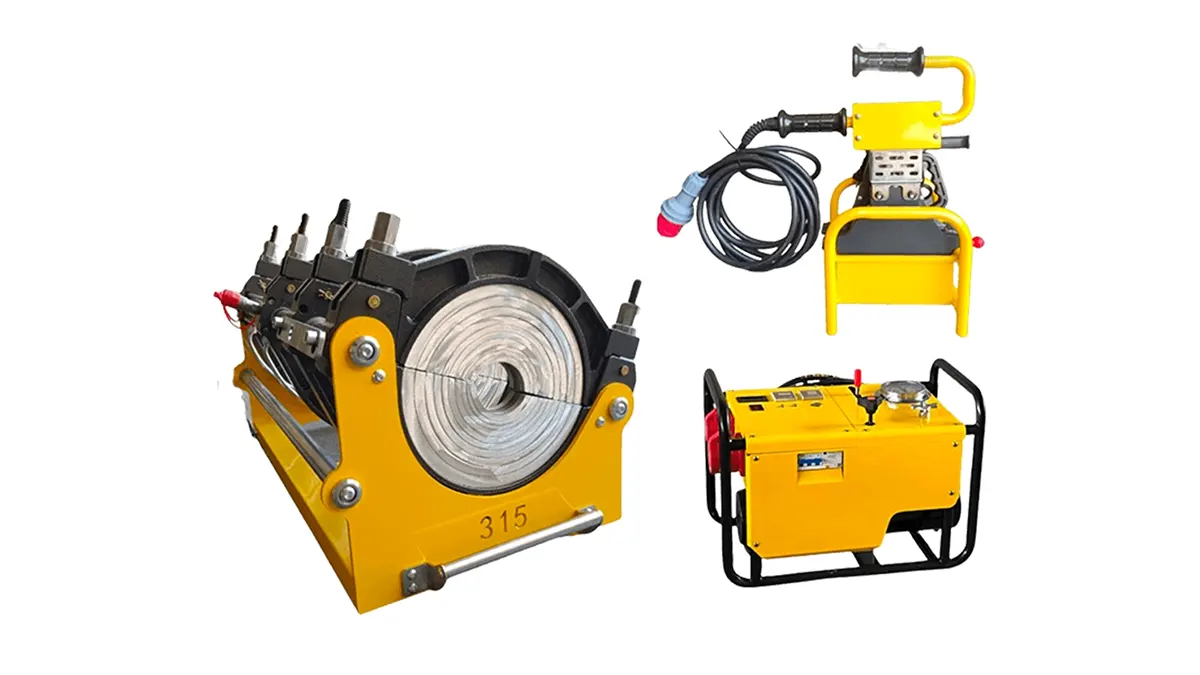
- Hydraulic butt fusion machines — mid-to-large diameter work, stable clamping and consistent pressure, suited for municipal and industrial pipelines.
- Automatic/CNC machines — high-precision, recommended for large projects like regional water transmission or long-distance HDPE mains.
Sample Specification Table — Compare at a Glance
| Model | Type | Pipe Range (mm) | Best For |
|---|---|---|---|
| JQA160 / JQA200 | Automatic | 63–200 | Urban water & gas networks |
| JQH315 | Hydraulic | 160–315 | Municipal mains, irrigation |
| Manual Series | Manual | 20–160 | Repairs and remote sites |
Custom Solutions and Local Adaptations
Projects in Yemen often need tailored features: reinforced frames for sandy sites, sealed control panels for dust protection, extended-range hydraulic units, and mobile power kits for off-grid locations. Choose suppliers who offer custom jigs, training packages, and spare parts shipping to nearby ports.
Service, Training and After-Sales Support
Reliable suppliers provide on-site training for welding crews, technical manuals tailored to local languages or illustrations, and fast spare parts dispatch. For large government or NGO projects, ask for certification support and quality control documentation for each fusion joint.
Procurement Tips for Yemen Buyers
1) Verify machine durability under high temperatures and dusty conditions. 2) Confirm logistic timelines to Aden or Hodeidah and plan spares inventory. 3) Request demonstration videos and client references from similar climates. 4) Prioritize suppliers who can package training and calibration services with the equipment.
Trusted Manufacturer Reference
For dependable butt fusion machines, consider established manufacturers with a global project track record and customizable options; one such specialist is JQ-Fusion, offering manual, hydraulic, and CNC automatic machines across a wide diameter range and tailored solutions for infrastructure projects.
Final note: Selecting the right butt welding machine for projects in Yemen means balancing portability, durability, and support. Focus on vendors who understand local logistics and environmental challenges to ensure long-lasting, leak-free pipeline systems.



