
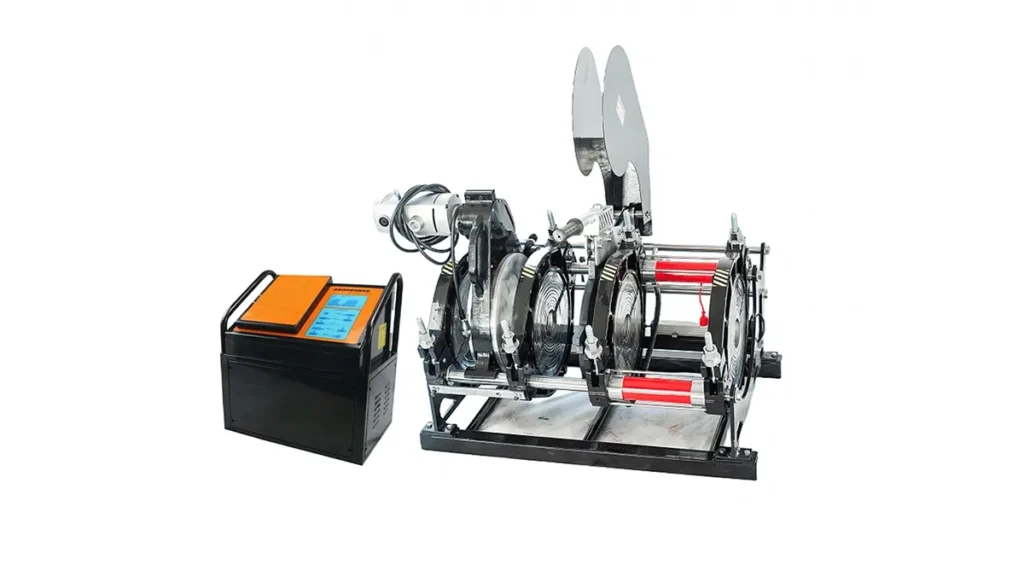
HDPE pipe welding and butt fusion services in Sierra Leone are essential for building durable water, gas, and industrial pipelines that withstand tropical rains, coastal conditions, and expanding urban needs. Local contractors, NGOs, and mining operators increasingly choose HDPE for its corrosion resistance, flexibility, and long service life — but success depends on reliable welding equipment, skilled operators, and appropriate site workflows.
Why HDPE Is the Right Choice for Sierra Leone
HDPE (High-Density Polyethylene) offers excellent chemical resistance, low maintenance, and leak-free joints when welded correctly. In Sierra Leone’s coastal and inland environments — from Freetown’s urban systems to rural community water schemes and mining operations in Kono — HDPE reduces repair needs and delivers long-term savings for utilities and private projects.
Common Applications: Water, Gas, Mining & Industry
Water supply: Gravity mains, distribution networks, borehole connections, and sanitation pipelines benefit from HDPE’s joint integrity and resistance to contamination.
Gas distribution: For small-scale LPG or low-pressure gas networks, HDPE welding produces safe, long-lasting pipelines with fewer leak points.
Mining and industry: Slurry lines, process piping, and temporary haulage pipelines require rugged materials and fast onsite welding — HDPE is increasingly specified for these uses in Sierra Leone’s mineral sectors.
Choosing the Right Welding Equipment for Local Conditions
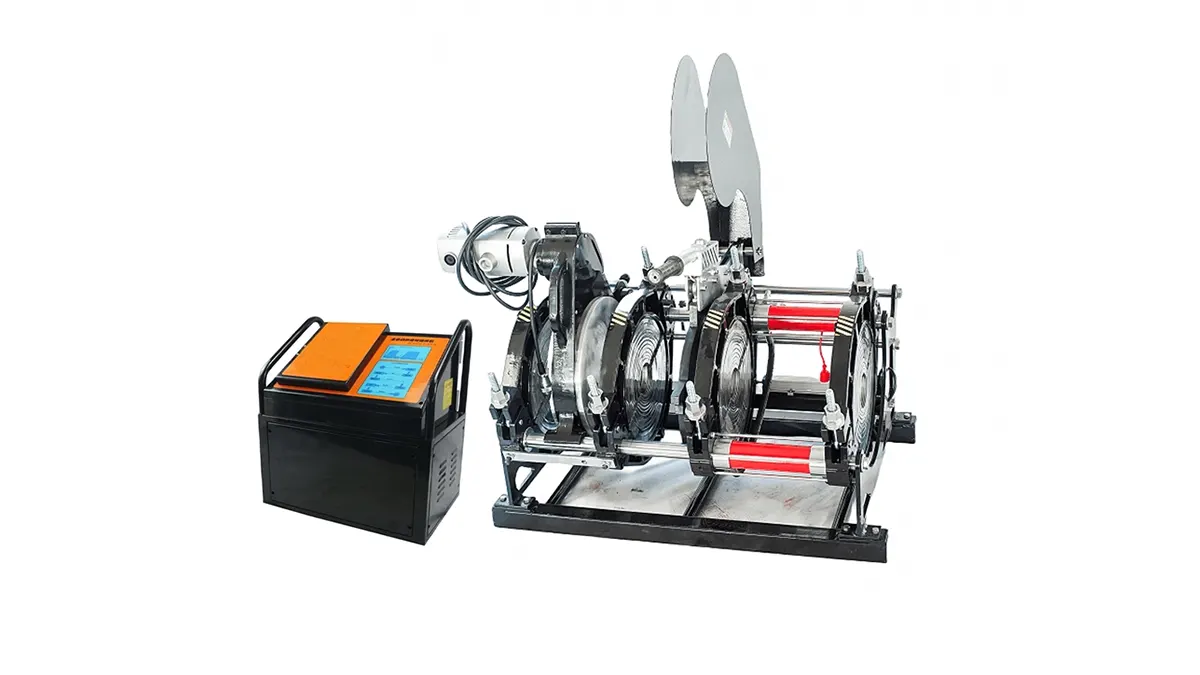
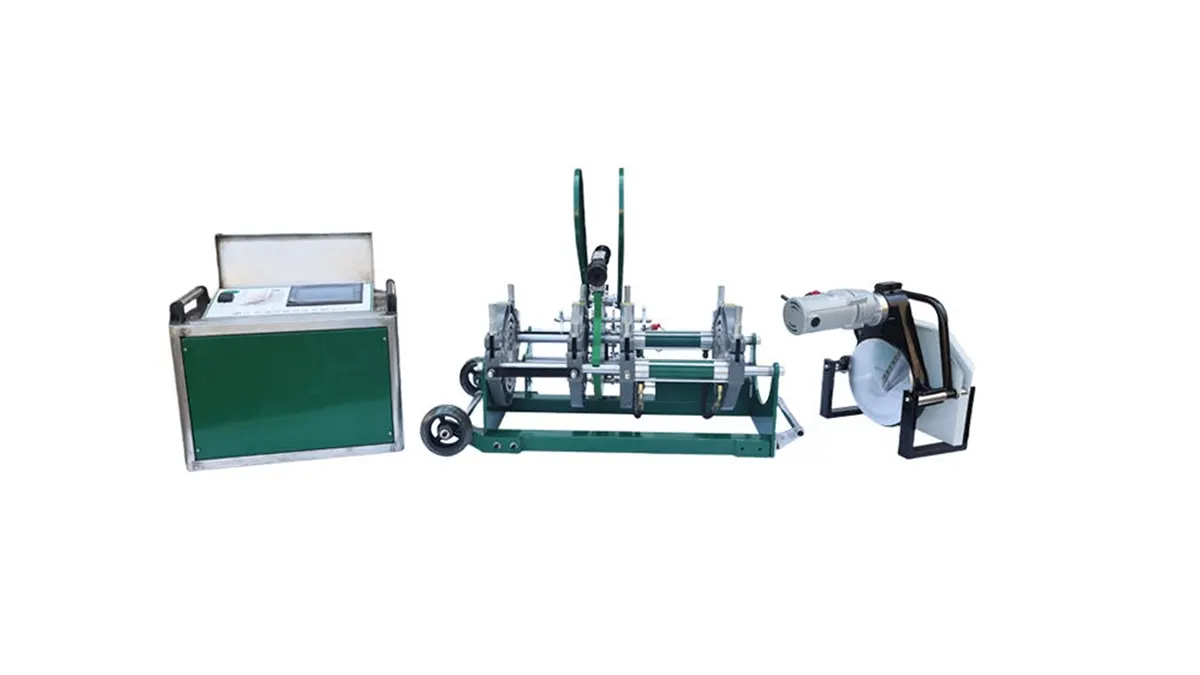
Project scale, site accessibility, and workforce skills determine the best welding machine. Options include manual butt fusion machines for remote or small-diameter repairs, hydraulic units for mid-size projects, and CNC/automatic systems for high-volume, precision welding on major installations.
Tip: For remote villages and seasonal sites, prioritize portability and simplicity. For municipal or mining contracts, choose hydraulic or automatic machines for consistent, certified welds.
| Machine Type | Best For | Pipe Range | Mobility |
|---|---|---|---|
| Manual Butt Fusion | Rural repairs, small projects | 20mm – 315mm | High |
| Hydraulic Butt Fusion | Municipal & mining pipelines | 63mm – 1600mm | Medium |
| Automatic / CNC Fusion | Large projects, high throughput | 200mm – 2000mm+ | Low (requires transport) |
Field Services, Training & Local Capacity Building
Reliable results depend on trained operators and consistent procedures. Offerings that work well in Sierra Leone include onsite operator training, welding procedure specifications tailored to local ambient conditions, and regular maintenance plans for hydraulic and heating systems. Investing in training builds local capacity, reduces downtime, and ensures safe, compliant pipeline installations.
Quality Assurance & Support
Equipment reliability and spare parts access are critical in regions where shipping times can delay projects. Work with a supplier who provides durable machines, clear documentation, and remote troubleshooting. For global infrastructure providers, JQ-Fusion supplies a full range of butt fusion welding machines, spare parts, and technical guidance suited to water, gas, and industrial pipeline work.
Planning tip: Before procurement, confirm welding procedures, operator certification, and a spare-parts kit to match the selected machine model. Proper planning reduces rework and protects investments in Sierra Leone’s challenging climate and terrain.
If you are specifying HDPE pipeline solutions in Sierra Leone — whether for municipal water distribution, rural sanitation, mining infrastructure, or industrial projects — selecting the right welder, training local staff, and ensuring parts availability will deliver long-term, leak-free performance.



