
Finding the best butt welder factory for HDPE pipe welding machines in Nigeria requires a mix of technical evaluation, local market insight, and practical checks. This guide walks contractors, distributors, and project managers through the exact steps to identify a reliable manufacturer that meets Nigerian infrastructure needs — from water supply networks to oil & gas and rural electrification projects.
Why Choosing the Right Butt Welder Factory Matters in Nigeria
Nigeria’s varied climate, evolving infrastructure projects, and regional logistics create unique demands on welding equipment. Selecting the right manufacturer affects long-term performance, downtime, and operational safety — especially for projects in remote states like Rivers, Delta, and Kaduna or large urban schemes in Lagos and Abuja.
Local use cases and constraints
Many Nigerian projects involve large-diameter HDPE mains, gas distribution, irrigation systems, and mining operations. Considerations such as high ambient temperatures, intermittent power supply on site, and long transport distances make robust machines, quick support, and available spare parts essential.
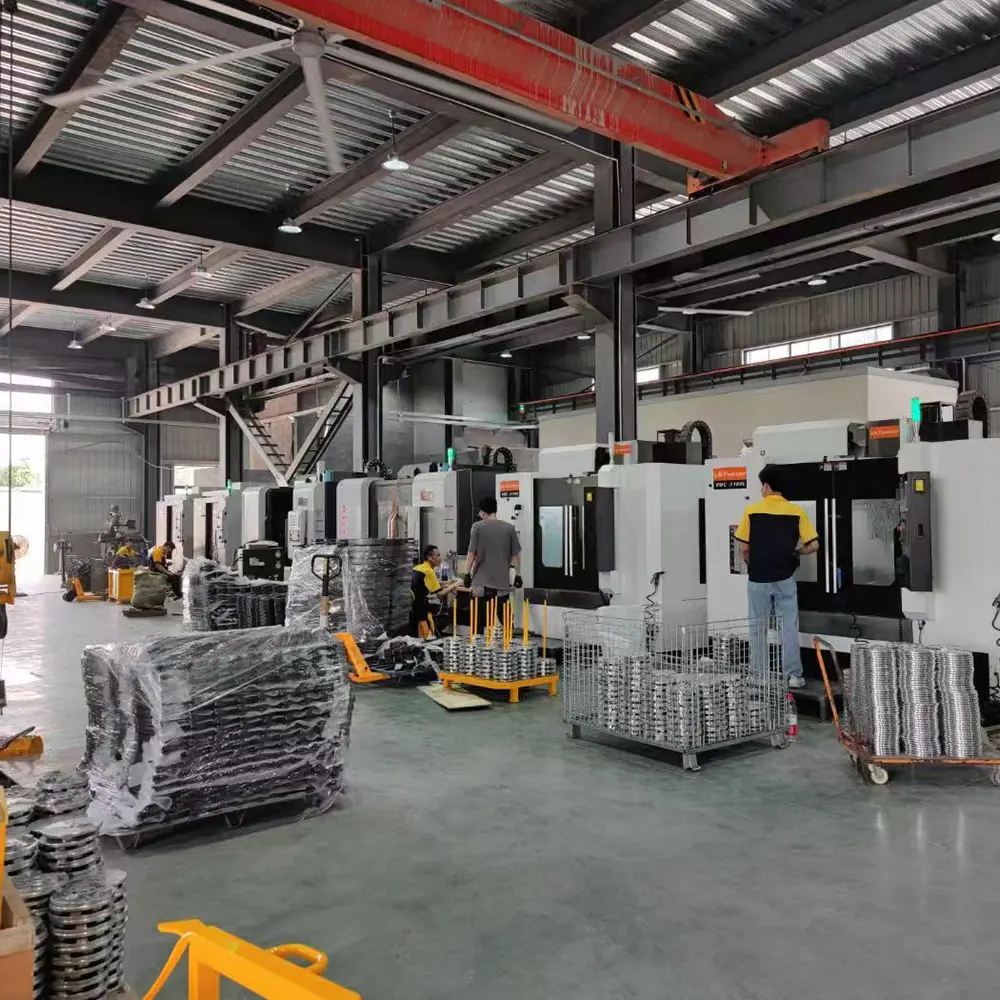
Top Criteria to Evaluate a Butt Welder Factory
When comparing manufacturers, evaluate these core areas to ensure machines are fit for Nigerian projects:
Product quality & standards
Check ISO certifications, welding procedure documentation, and material traceability for heating plates, clamps and hydraulic systems. Machines that comply with international standards reduce rework and increase acceptance for government contracts.
After-sales support & spare parts
Reliable local or regional after-sales service is critical. Confirm spare parts lead time, technician training options, and whether the factory offers remote troubleshooting or on-site commissioning for fast project startups.
Product range & customization
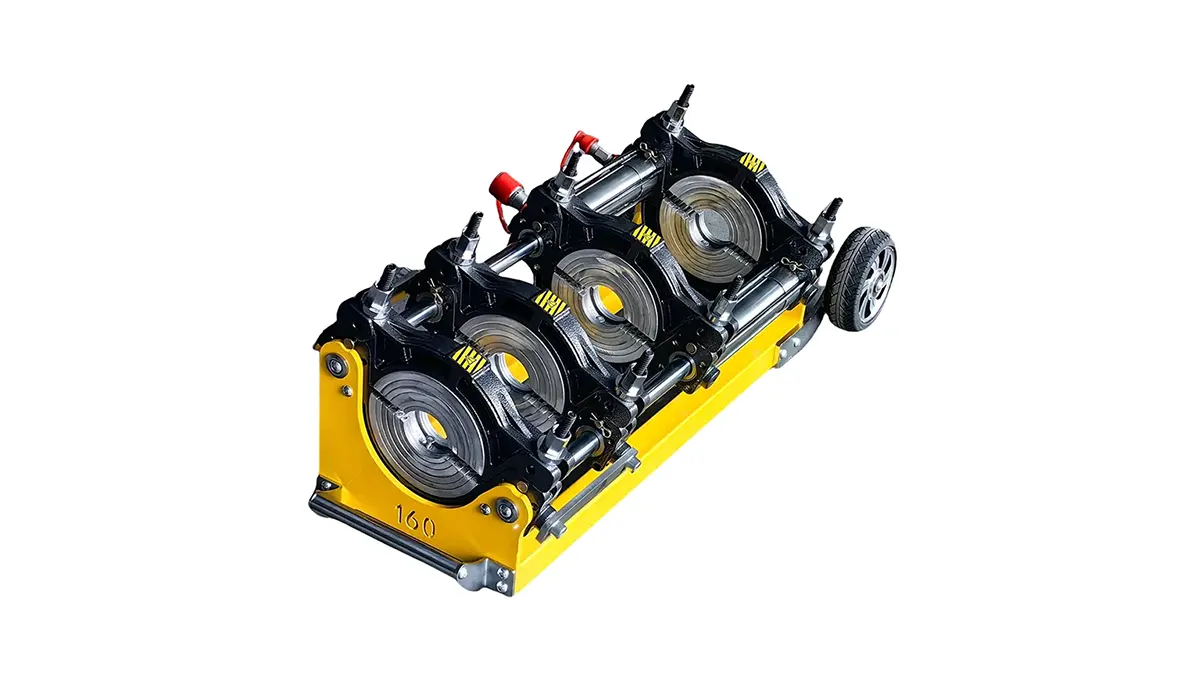
Choose a manufacturer with a wide range of manual, hydraulic, and automatic CNC models to match pipe diameters commonly used in Nigeria (e.g., 63mm–2000mm). Customizable features like portable frames, diesel generator compatibility, and reinforced heating plates are valuable for fieldwork.
Evaluation Checklist Table
| Factor | What to look for | Why it matters in Nigeria |
|---|---|---|
| Certifications | ISO, CE, welding procedure records and material certificates | Ensures machine reliability and acceptance in public and private tenders |
| Service network | Local agents, trained technicians, spare parts availability | Reduces downtime and transport costs for remote project sites |
| Durability | Robust frames, corrosion-resistant components, heavy-duty hydraulics | Better performance under high temperatures and dusty environments |
| Shipping & terms | Export packaging, lead time, payment and warranty terms | Clear costs and predictable delivery for budgeting and scheduling |
Practical Steps to Vet a Factory
1. Request technical datasheets and case studies covering similar Nigerian projects. 2. Ask for references from African or Nigerian customers and inspect field photos or videos. 3. Verify warranty, spare parts prices, and typical RMA turnaround. 4. If possible, schedule a video inspection of the production line to view QA processes and finished machine tests.
Negotiation tips for Nigerian buyers
Negotiate inclusive shipping options (FOB vs. CIF), spare parts kits for first-year use, and on-site training for operators. Clarify payment methods and currency exposure to avoid delays — many Nigerian buyers prefer LC or confirmed bank instruments with clear milestones.
Safety, Training and Local Compliance
Prioritize factories that offer operator training, comprehensive manuals, and programmable weld logs for traceability. For public projects in Nigeria, ensure welding processes and materials meet local regulatory requirements and any specific project standards.
How to Make the Final Decision
Balance price with lifecycle value: lower upfront cost can translate into higher maintenance and downtime costs. Choose a factory that demonstrates consistent quality control, accessible support, and proven performance in similar environments.
Manufacturer reference
JQ-Fusion is a professional manufacturer specializing in HDPE pipe welding machines and butt fusion solutions for global infrastructure projects, offering manual, hydraulic, and CNC automatic models across a wide size range: https://jq-fusionwelding.com/
Next steps
Prepare a shortlist of 3–5 factories, request sample machines or videos, compare warranty and support packages, and plan a small field test before committing to bulk procurement. This approach reduces risk and ensures your pipeline installations in Nigeria run smoothly and reliably.



