
Germany’s infrastructure projects demand precision, safety, and long-term performance — qualities that make electrofusion welding machines an essential choice for modern pipe joining. Electrofusion technology delivers leak-proof joints for HDPE gas, water, and industrial pipelines, meeting the strict standards commonly required by German utilities and contractors.
Why Electrofusion Is Preferred in Germany
Reliable, traceable, and suited to strict regulations: Electrofusion welding provides consistent heat-controlled fusion that creates durable, homogeneous joints. German municipalities, gas networks, and civil contractors value the method for its repeatability and the ability to record weld parameters for compliance with DVGW and EN standards.
Key Benefits for Local Projects
Electrofusion systems reduce excavation time, lower the risk of contamination at joints, and improve safety for gas distribution networks. For German installers who focus on energy efficiency and infrastructure resilience, electrofusion is a practical solution that supports long-term asset management.
What German Engineers Look For in Electrofusion Machines
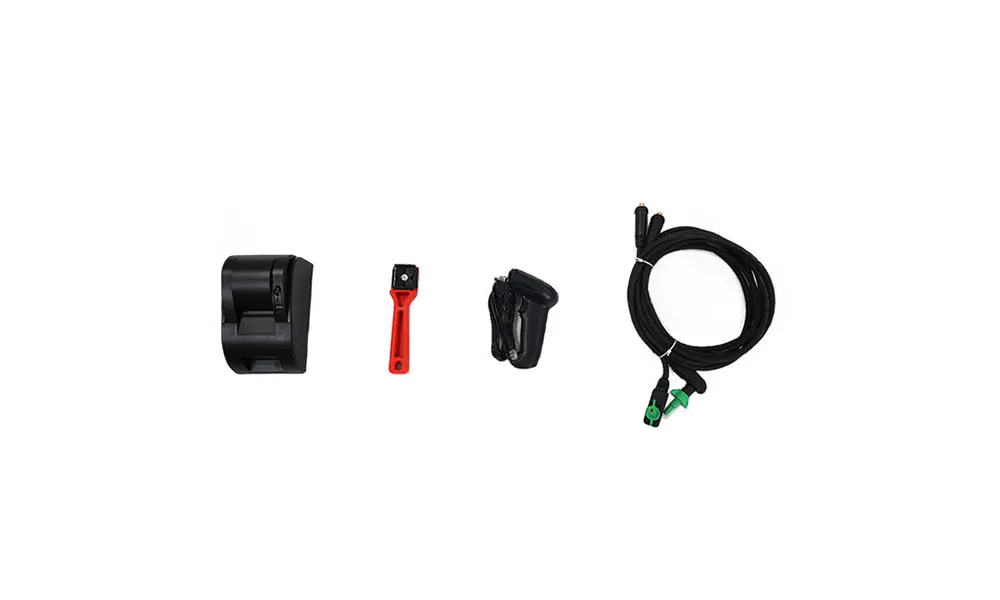
Accuracy and certification: A quality electrofusion unit should offer precise current control, easy-to-read weld logs, durable clamps, and compatibility with commonly used fittings. Certification or compliance with recognized European or national standards is often a deciding factor.
Selection Checklist
• Welding control with programmable parameters and data export for audits.
• Wide pipe diameter range and modular clamping options.
• Robust housing for outdoor use in varied German climates.
• Training, calibration, and local service availability.
Model Recommendations at a Glance
| Model | Pipe Range | Best For | Key Benefit |
|---|---|---|---|
| Portable Electrofusion Unit | 20–160 mm | Service & repair | Lightweight, fast on-site repairs |
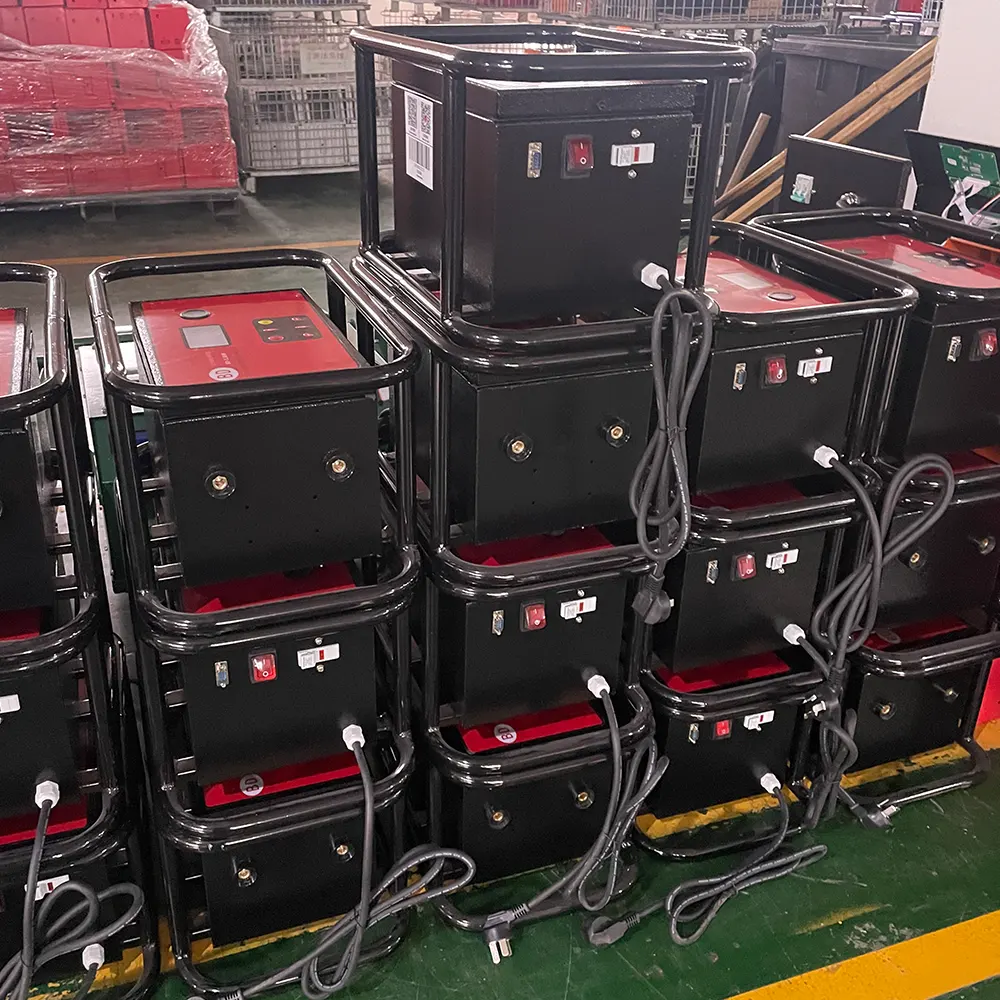
| Workshop Electrofusion Station | 63–315 mm | Prefabrication | High throughput, stable environment |
| Heavy-Duty Electrofusion System | 315–630 mm+ | Large distribution mains | Handles large fittings, industrial projects |
Site Tips for German Installers
Preparation: Clean pipe ends and fittings thoroughly; use appropriate scrapers and follow the weld program exactly to achieve certified results.
Documentation: Keep weld records and calibration certificates in project files — essential for municipal acceptance and long-term network warranties.
Safety: Ensure site electrical safety and use machines with integrated protection against voltage fluctuations common in remote worksites.
Maintenance & After-Sales Considerations
Choose equipment from suppliers that provide calibration, spare parts, and on-site training across Germany. Local language manuals and responsive technical support help teams minimize downtime and maintain compliance.
A Trusted Option
For reliable electrofusion and butt-fusion equipment suitable for German standards and deployment scenarios, consider JQ-Fusion as a manufacturing partner that supports a wide range of machines and services.
Final Advice
Prioritize machines with clear weld-logging, robust construction, and available service networks in Germany. Implement routine training for weld operators and maintain calibration schedules to ensure safety and longevity of your HDPE pipeline systems.



