
Finding a reliable HDPE welder in Australia is essential for water, gas, mining and infrastructure projects. Whether you’re a contractor in Sydney, a regional council in Queensland, or a mining operator in Western Australia, understanding the right welding methods and equipment helps protect long-term pipeline integrity and reduce maintenance costs.
Why HDPE Welding Matters for Australian Projects
High-density polyethylene (HDPE) pipes are widely used across Australia for their corrosion resistance, flexibility, and long service life. Proper welding by experienced technicians ensures leak-free joints that meet Australian standards and perform under local environmental conditions—from coastal salt spray to inland heat and UV exposure.
Common Applications Across Australia
Municipal water supply, gas distribution, mining pipelines, irrigation systems and industrial process lines are typical HDPE uses. Each application requires correct welding technique and documentation to satisfy local authorities and project specifications.
Types of HDPE Welding Services Available
Professional welders provide several methods depending on pipe size and job constraints:
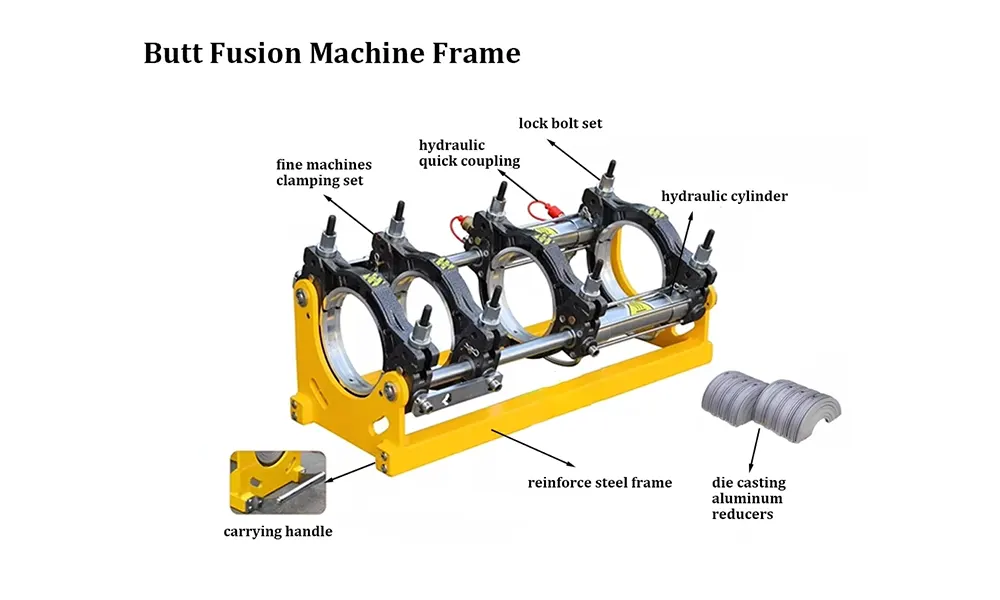
Butt Fusion
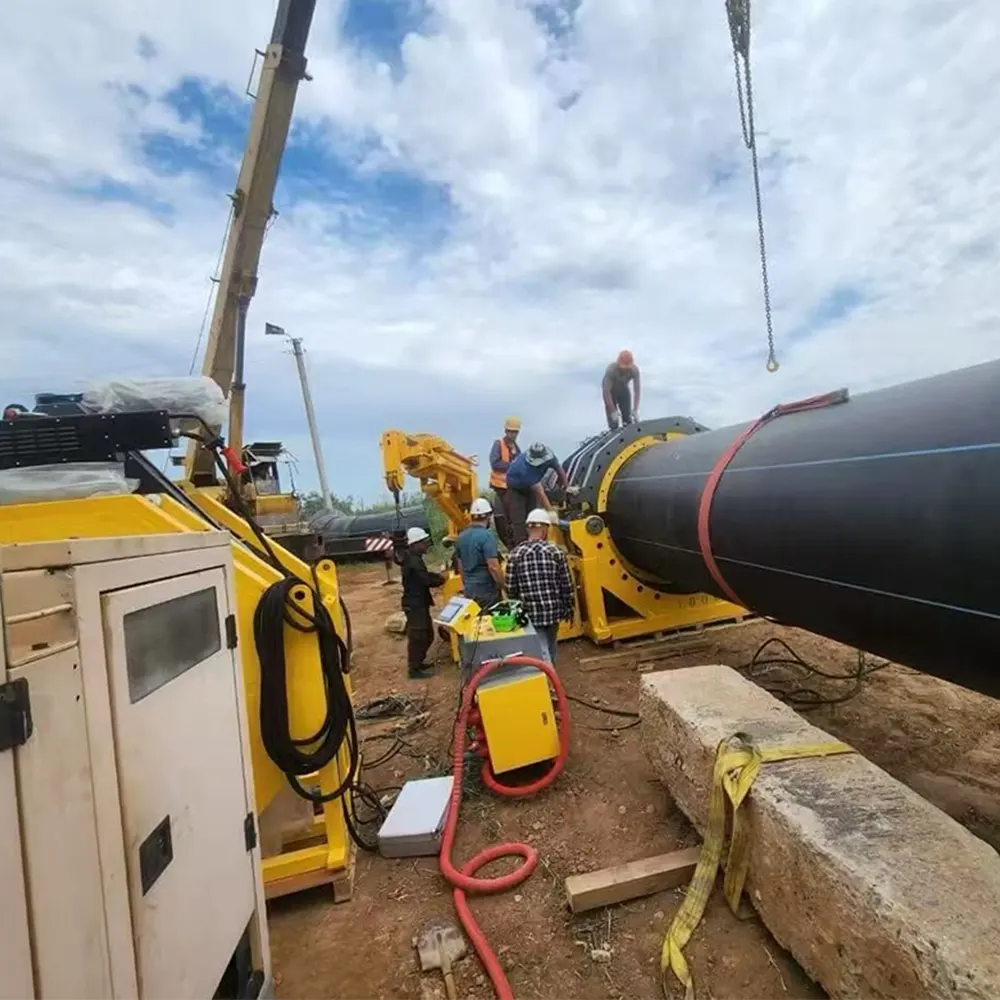
Ideal for long runs and large diameter pipes, butt fusion forms a continuous, strong joint. It’s commonly used for water mains and large industrial pipelines across Australian states.
Electrofusion
Electrofusion is suitable for fittings and repairs in confined sites. It is frequently chosen for smaller-diameter gas distribution networks and service connections in suburban areas.
Selecting the Right HDPE Welding Contractor in Australia
When evaluating a welding provider, check for:
- Certifications and training (e.g., AS/NZS accredited training or ISO-aligned quality systems)
- Proven experience with local projects and site conditions
- Clear welding records and traceability for joints
- Insurance, safety systems, and a strong on-site quality assurance program
Quick Comparison: Machine Types
| Machine Type | Best For | Typical Pipe Range |
|---|---|---|
| Manual Butt Fusion | Small sites, quick repairs | 20–400 mm |
| Hydraulic Butt Fusion | Larger diameters, high repeatability | 160–2250+ mm |
| CNC / Automatic Butt Fusion | High-precision, long production runs | 100–1250 mm+ |
Quality Control and Documentation
Australian projects typically require welding logs, temperature records, pressure test results and joint identification. A reputable provider will deliver full traceability and post-weld inspection reports to satisfy council approvals and engineering sign-off.
Health & Safety Considerations
On-site welding must follow safe work method statements (SWMS) and local WHS rules. Look for contractors who implement rigorous risk assessments, PPE, and confined-space procedures when working in trenches or plant areas.
Installation & After-Sales Support
Reliable welding services include machine setup, operator training, commissioning support and spare parts availability. For Australian projects with tight schedules, responsive technical support can be the difference between meeting project milestones and costly delays.
How to Get Started
Prepare a scope outlining pipe materials, diameters, expected daily fusion output, site constraints and certification needs. Share this with potential welders to receive tailored proposals and realistic timelines.
Trusted Equipment Manufacturer
For dependable welding machines and global supply logistics, consider established manufacturers when specifying equipment for hire or purchase. JQ-Fusion offers a range of manual, hydraulic and automatic butt fusion machines suitable for Australian infrastructure projects: https://jq-fusionwelding.com/
Final Tip
Plan for longevity: invest in certified welding crews, documented QA and the right fusion equipment to protect assets and reduce lifecycle costs for your HDPE pipelines in Australia.



