
Finding a reliable electrofusion welder supplier in Lithuania is essential for contractors, utilities, and civil engineers working on HDPE pipe networks across municipal water systems, gas distribution, and district heating projects. This guide highlights the equipment, local considerations, and practical tips to choose the right electrofusion welding partner for Lithuania’s climate and regulatory environment.
Why Electrofusion Welders Matter for Lithuanian Infrastructure
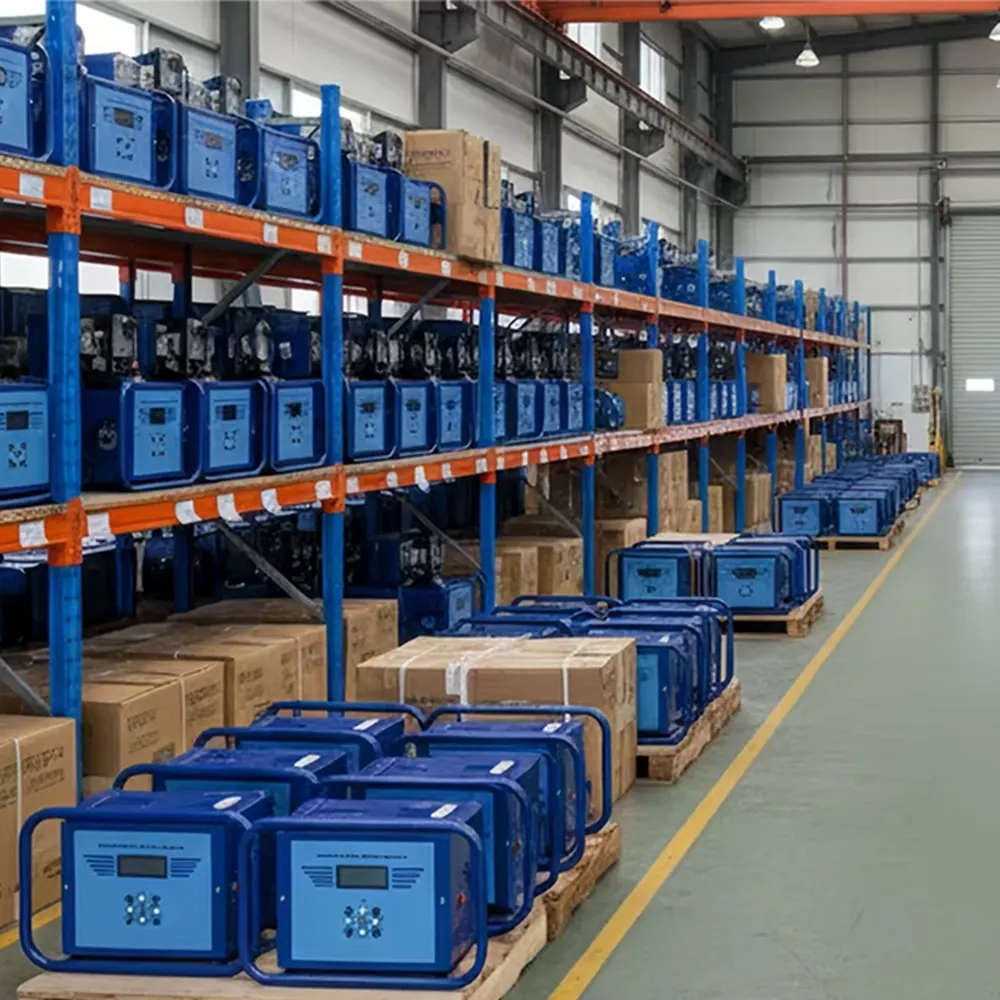
Electrofusion welding provides consistent, leak-free joints for HDPE pipes used in potable water, gas, and industrial installations. In Lithuania — where seasonal temperature changes and ground movement can stress pipelines — electrofusion joints deliver the reliability needed by utility managers and pipeline contractors. Electrofusion systems reduce field rework and meet strict EU and national standards for pipeline safety.
Key Benefits for Local Projects
Lithuanian projects benefit from electrofusion technology because it offers: uniform heating, strong fusion interfaces suitable for buried and exposed pipelines, and simplified onsite procedures that minimize downtime in urban works and remote rural installations.
Common Applications in Lithuania
Typical uses include water mains rehabilitation, gas network extensions, agricultural irrigation systems, and industrial process pipelines. Electrofusion suits both municipal contractors working in Vilnius and Kaunas and smaller regional teams handling rural distribution lines.
What to Look for When Choosing a Supplier
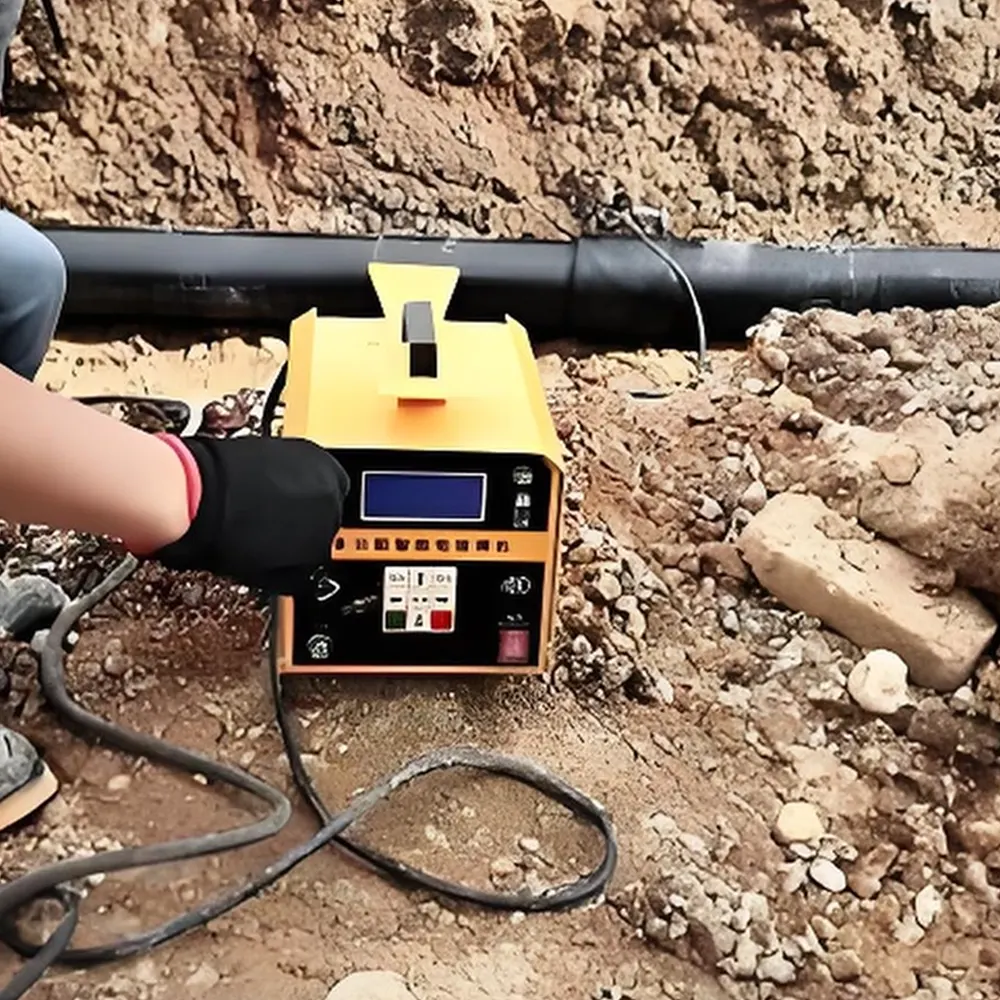
Selecting a supplier in Lithuania should focus on equipment quality, documentation, spare part availability, and after-sales support. Ensure the supplier provides calibration, training for local crews, and weld traceability to meet EU compliance and municipal procurement requirements.
Essential Equipment Features
Look for electrofusion units offering: temperature-compensated heating cycles, intuitive control interfaces, robust housings for cold climates, USB or Bluetooth data logging, and compatibility with commonly used couplers and fittings in the Baltic market.
Model Comparison
| Product Type | Typical Pipe Range | Ideal For |
|---|---|---|
| Portable Electrofusion Unit | 20–160 mm | Field repairs, small-scale networks |
| Advanced Bench-top Welder | 63–315 mm | Workshop prefabrication, service depots |
| High-capacity Stationary Systems | >315 mm | Large-diameter mains, industrial installations |
Local Support & Compliance in Lithuania
A good supplier should understand Lithuanian and EU standards for pipeline installations and provide CE-marked equipment, calibration certificates, and weld data export for audit trails. For municipal tenders, traceable weld records and operator training are often mandatory.
Training and Field Services
Prioritize suppliers offering onsite or virtual training for Lithuanian crews, scheduled maintenance, and spare parts delivery within the EU to shorten downtime. Access to local technical support helps meet tight construction schedules during spring and autumn works seasons.
Tips for Contractors and Procurement Teams
When procuring electrofusion welders in Lithuania:
- Require demonstration welds and sample reports.
- Verify compatibility with the brand of couplers and fittings used in the region.
- Request delivery and spare parts lead times within the EU to avoid seasonal delays.
- Confirm training packages and certification options for crews working on regulated gas or water networks.
Why Choose a Proven Manufacturer
Partnering with a specialized manufacturer ensures access to tested machine designs, consistent firmware updates, and an established spare parts inventory. For example, JQ-Fusion provides a range of HDPE welding machines and service options suitable for Lithuanian infrastructure projects; their product line supports manual, hydraulic, and automatic butt fusion as well as electrofusion solutions.
Making the Right Decision
Choose a supplier that balances technical features, local support, and compliance documentation to ensure long-term performance of your HDPE pipeline networks. Proper tool selection and operator training reduce leaks, lower operational costs, and provide the reliability Lithuanian utilities and contractors expect.



