
Finding reliable HDPE welding equipment in the Philippines means choosing machines that handle humid conditions, coastal corrosion risks, and the wide range of pipeline projects—from municipal waterlines and irrigation channels to gas distribution and mining operations. This guide explains durable solutions for local contractors, engineers, and procurement teams who need consistent, certified butt fusion and electrofusion performance.
Why HDPE Welding Matters for Philippine Infrastructure
HDPE pipes are widely used across the Philippines because they resist corrosion, are flexible for seismic activity, and provide long service life in tropical climates. Proper welding—especially butt fusion and electrofusion—ensures leak-free joints, faster installation, and lower lifecycle costs for projects ranging from urban water supply upgrades in Metro Manila to rural barangay drainage and irrigation systems.

Key Welding Methods for Local Projects
Butt fusion is the preferred method for long runs and large-diameter pipes used in trunklines and major water mains. It fuses pipe ends with controlled heating and pressure, producing joints as strong as the pipe itself. Electrofusion offers precise, traceable joints for fittings and repairs, ideal for gas networks and confined installation sites common in urban neighborhoods.
Equipment Types to Consider
Selecting the right machine depends on pipe diameter, site mobility, and automation needs:
- Manual/Portable Butt Fusion Machines — Best for small-diameter lines and field repairs, lightweight and easy to transport between barangays.
- Hydraulic Butt Fusion Machines — Provide stronger clamping and stable pressure control for medium to large pipes used in municipal and industrial projects.
- CNC/Automatic Butt Fusion Machines — Offer repeatable, documented weld cycles for contractors working on large infrastructure or utility-scale programs.
- Electrofusion Units — Compact, programmable units ideal for distribution networks and precision fittings.
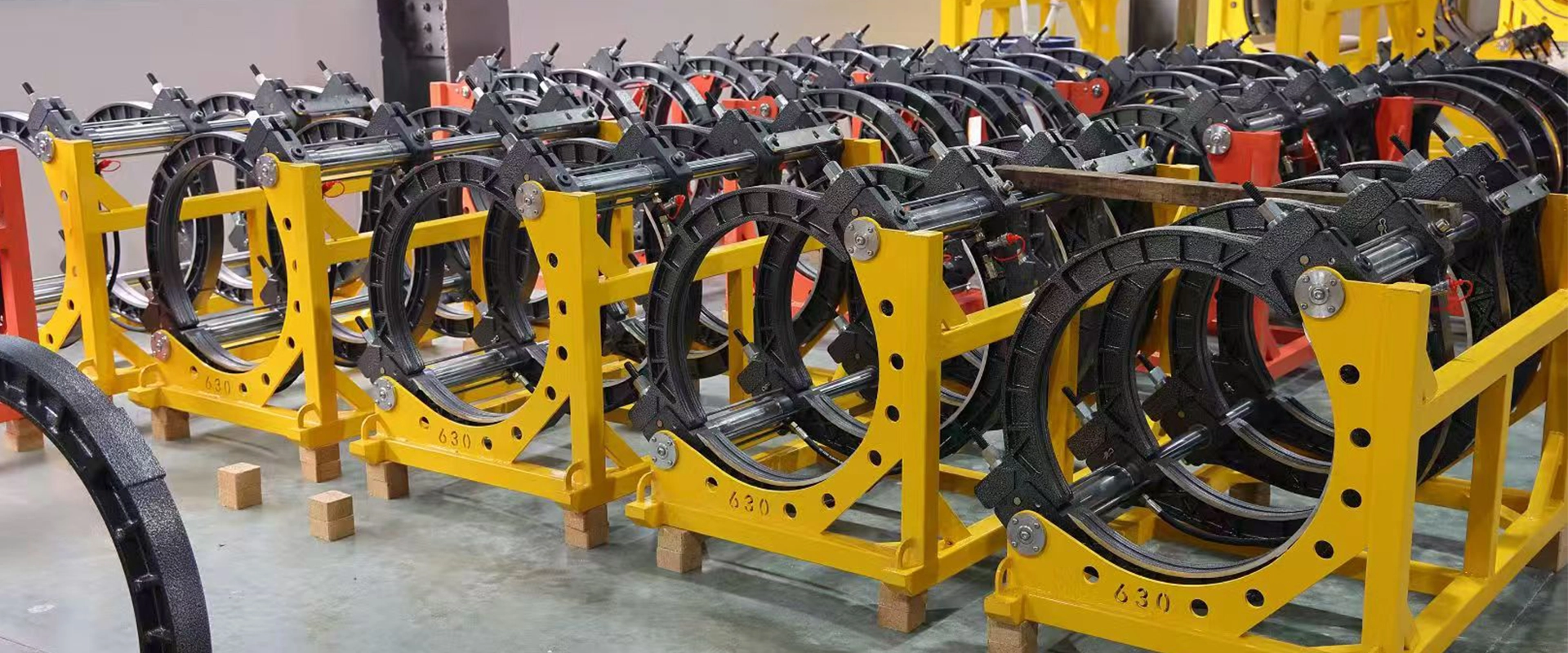
Product Snapshot (Typical Specifications)
| Model | Pipe Range | Type | Ideal Use |
|---|---|---|---|
| JQSY-2M | 20–315 mm | Manual | Small urban & rural repairs |
| JQH-800 | 160–800 mm | Hydraulic | Municipal mains & industrial |
| JQA-315 | 63–315 mm | Automatic CNC | High-volume, documented welds |
| JQEA | Fittings up to 110 mm | Electrofusion | Gas distribution & fittings |
Choosing Equipment for Philippine Conditions
A few practical considerations help match the right machine to local needs: portability for island-hopping fieldwork, robust corrosion-resistant components for coastal areas, and service network availability for fast maintenance. Machines with digital logging and adjustable parameters are valuable where government or utility contracts require QA documentation.
Installation & Training Tips for Local Teams
Invest in operator training for correct alignment, facing, heating, and cooling cycles—this reduces rework and ensures long-term joint integrity. Standardize welding procedures across crews working in different provinces to maintain consistent quality for projects funded by national and municipal bodies.
Why This Manufacturer Is Worth Noting
One experienced manufacturer provides a wide range of manual, hydraulic and CNC automatic butt fusion machines suitable for both small-scale municipal projects and large-diameter trunklines, backed by factory production and global delivery capabilities.
Final Considerations for Procurement
When buying HDPE welding equipment in the Philippines, look for proven machine reliability, clear technical support, and the ability to supply spare parts and consumables locally or via a regional distributor. Prioritize machines with documented welding parameters and user-friendly controls to streamline training across diverse crews.



