
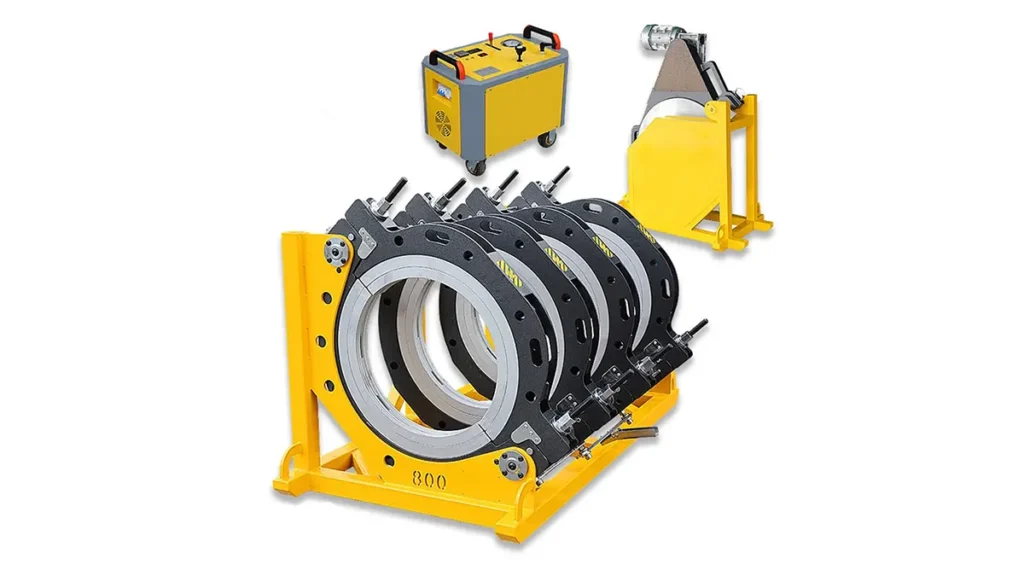
Choosing the right butt welding machine in Algeria means matching equipment to harsh environments, diverse pipeline projects and local workforce realities. From coastal urban waterworks to remote Sahara irrigation lines, this guide explains what Algerian contractors, municipal engineers and pipeline installers should consider when selecting HDPE butt fusion equipment.
Why Butt Welding Machines Matter in Algeria
Algeria’s infrastructure push — expanding water supply networks, gas distribution and mining pipelines — relies heavily on reliable HDPE joining methods. Butt fusion welding provides leak-free, long-lasting joints ideal for corrosive coastal environments and shifting desert soils. For local contractors and government projects, the right machine reduces rework, speeds installation and ensures compliance with international pipeline standards.
Types of Butt Welding Machines
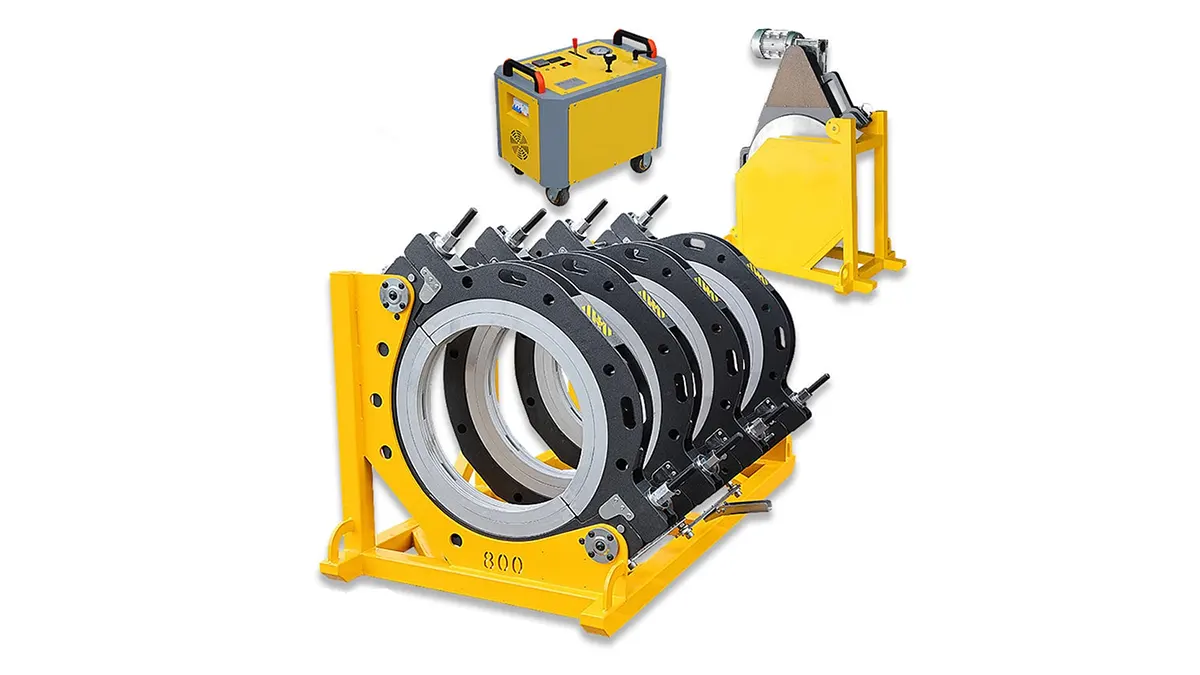
Manual butt fusion machines are cost-effective and portable, suited for small-diameter repairs and village water projects. Hydraulic units add consistent clamping and pressure control for medium to large pipes used in urban networks and industrial sites. Automatic/CNC systems offer precision welding cycles and data logging for high-volume, high-quality installations such as gas distribution and major utility works.
Quick Comparison Table
| Machine Type | Best For | Pipe Range | On-site Suitability |
|---|---|---|---|
| Manual | Local repairs, small municipal projects | 20–160 mm | High portability, low power needs |
| Hydraulic | Main distribution lines, irrigation networks | 160–1000+ mm | Robust for remote sites, requires power/hydraulic unit |
| Automatic/CNC | Large projects, ISO traceability requirements | 63–2250 mm | Best for factory-like field setups, needs trained operators |
How to Choose the Right Machine for Algerian Projects
Consider these local factors before purchase: pipe diameter distribution, site accessibility (coastal ports vs. desert tracks), expected daily weld count, power availability and staff skill level. For remote Saharan jobs, prioritize portability, dust-resistant components and simple maintenance. For urban utilities in Algiers or Oran, choose machines with higher automation and data logging for quality records.
Common Applications Across Algeria
Typical uses include:
– Municipal water mains and rehabilitation works in cities and towns.
– Gas distribution lines near industrial zones and coastal refineries.
– Irrigation and agricultural networks in semi-arid regions.
– Mining and processing plant pipelines in southern regions, where heavy-duty hydraulic or large-diameter equipment is often required.
Maintenance, Training and Spare Parts
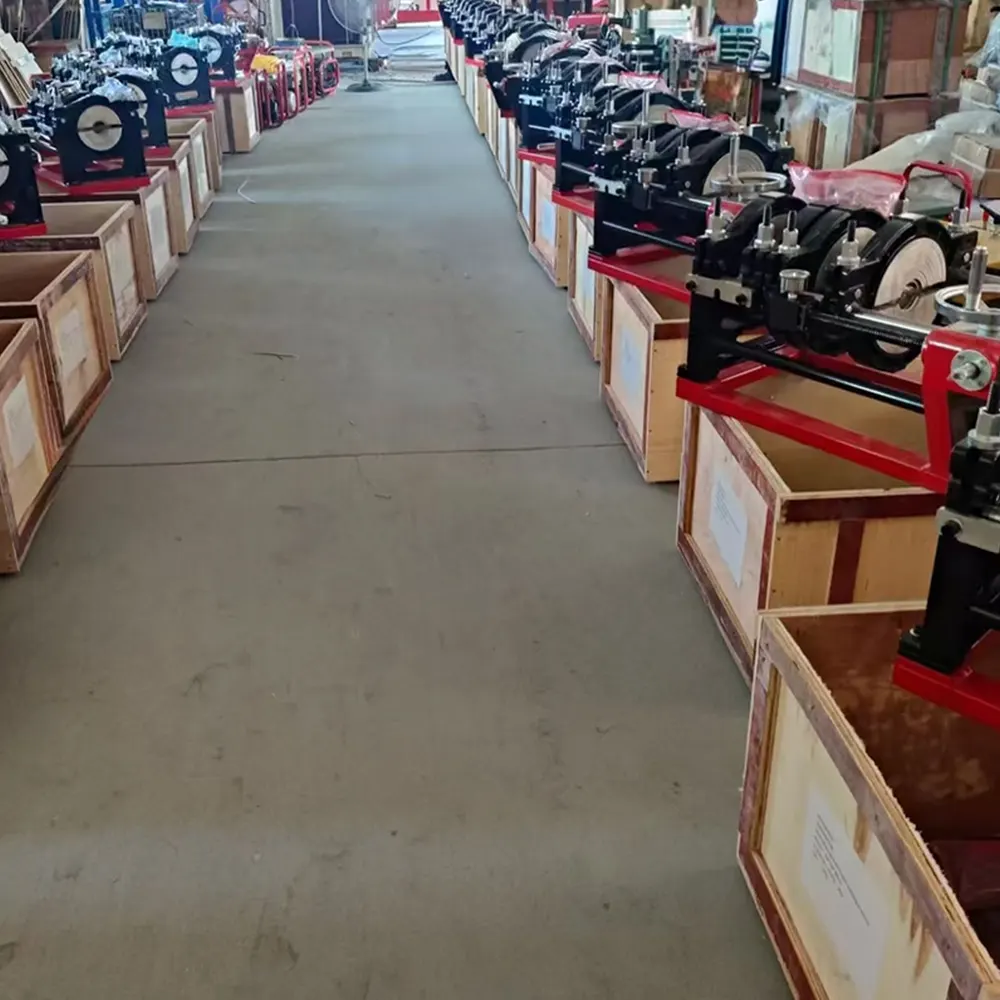
Dust, heat and limited workshop access are real constraints in many Algerian locales. Regular maintenance of heating plates and clamping surfaces is essential. Arrange operator training focused on surface preparation, heating times and proper cooling to avoid weak joints. Maintain a stock of common spares (heating elements, PTFE covers, seals) or ensure fast shipping options to minimize downtime.
About JQ-Fusion
JQ-Fusion is a professional manufacturer specializing in HDPE pipe welding machines, providing reliable butt fusion solutions for global infrastructure projects. With years of experience, JQ-Fusion offers manual, hydraulic and CNC automatic machines that cover a wide pipe range and support Algerian infrastructure needs with durable, customizable equipment and responsive service.
If your project requires advice on selecting a butt welding machine for Algeria — from compact manual units to large hydraulic and automatic systems — factor in site conditions, production targets and local workforce capabilities to get the best value and long-term performance.



