
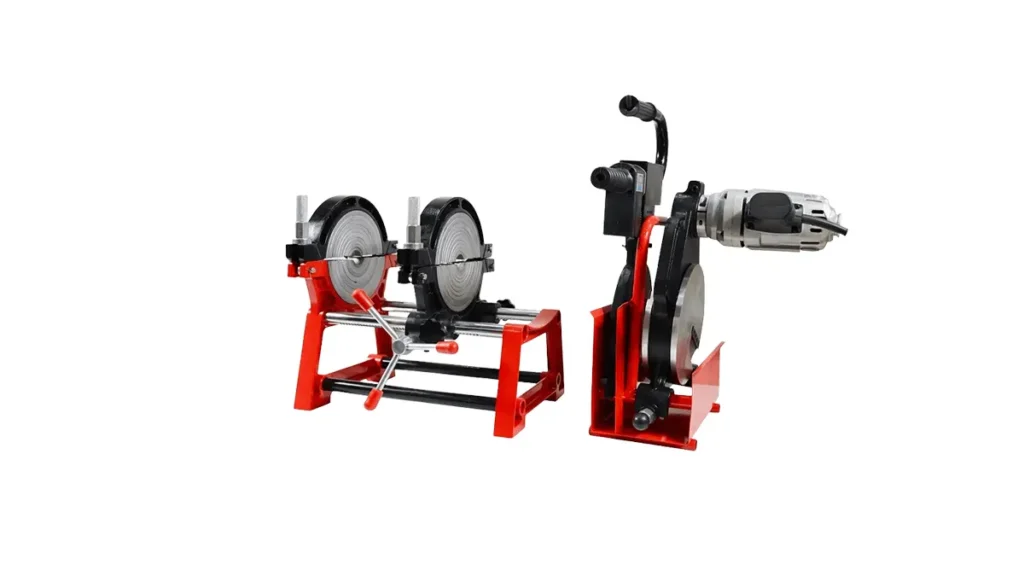
Paraguay’s expanding infrastructure and agricultural irrigation projects have increased demand for reliable polyethylene (HDPE) welding solutions. For contractors, utilities, and rural communities building water supply, irrigation, and gas distribution systems, selecting the right pipe welding equipment is essential for long-term performance and leak-free pipelines.
Why Polyethylene Welding Machines Matter in Paraguay
HDPE pipes are widely used across Paraguay because they resist corrosion, handle flexible routing in uneven terrain, and offer excellent chemical resistance for agricultural runoff areas. A high-quality polyethylene welding machine produces strong, consistent butt-fusion joints that minimize maintenance and downtime — critical for municipal water networks and large-scale irrigation systems in the Gran Chaco and riverine regions.
Key Advantages for Local Projects
Durability: Properly fused HDPE joints match the pipe’s mechanical strength, ensuring long service life in remote sites. Cost-efficiency: Reduced leakage and faster installation lower lifecycle costs. Versatility: Machines that cover small to large diameters support both urban utility upgrades in Asunción and expansive rural irrigation pipelines.
Common Applications in Paraguay
Local use cases include municipal potable water mains, irrigation manifolds for soy and cattle ranching operations, sewage conveyance, and gas distribution. Contractors working on Paraguay’s growing infrastructure projects rely on welding machines to deliver reliable joints under varied field conditions — from humid lowlands to dry interior provinces.
What Paraguayan Buyers Should Consider
When choosing a welding machine, consider portability for remote sites, compatibility with pipe diameters common in local projects, ease of operator training, and availability of spare parts. Weather-resistant, robust components and clear weld documentation help local engineering teams meet regulatory and project quality requirements.
Machine Types and Short Buying Guide
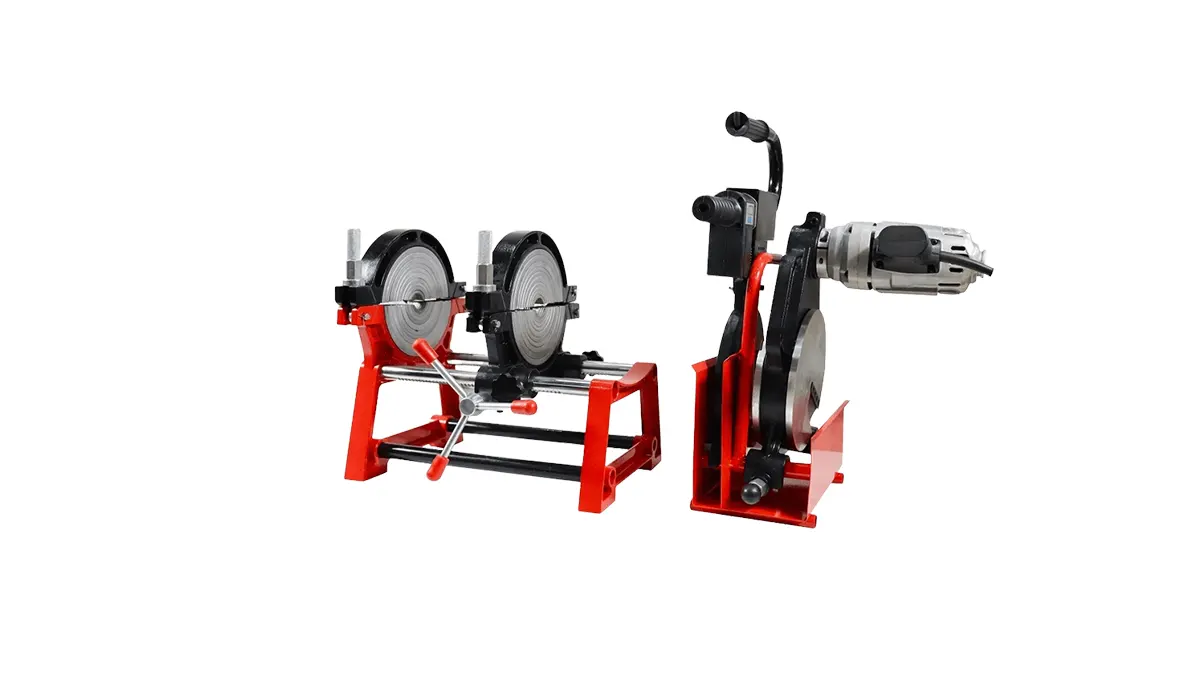
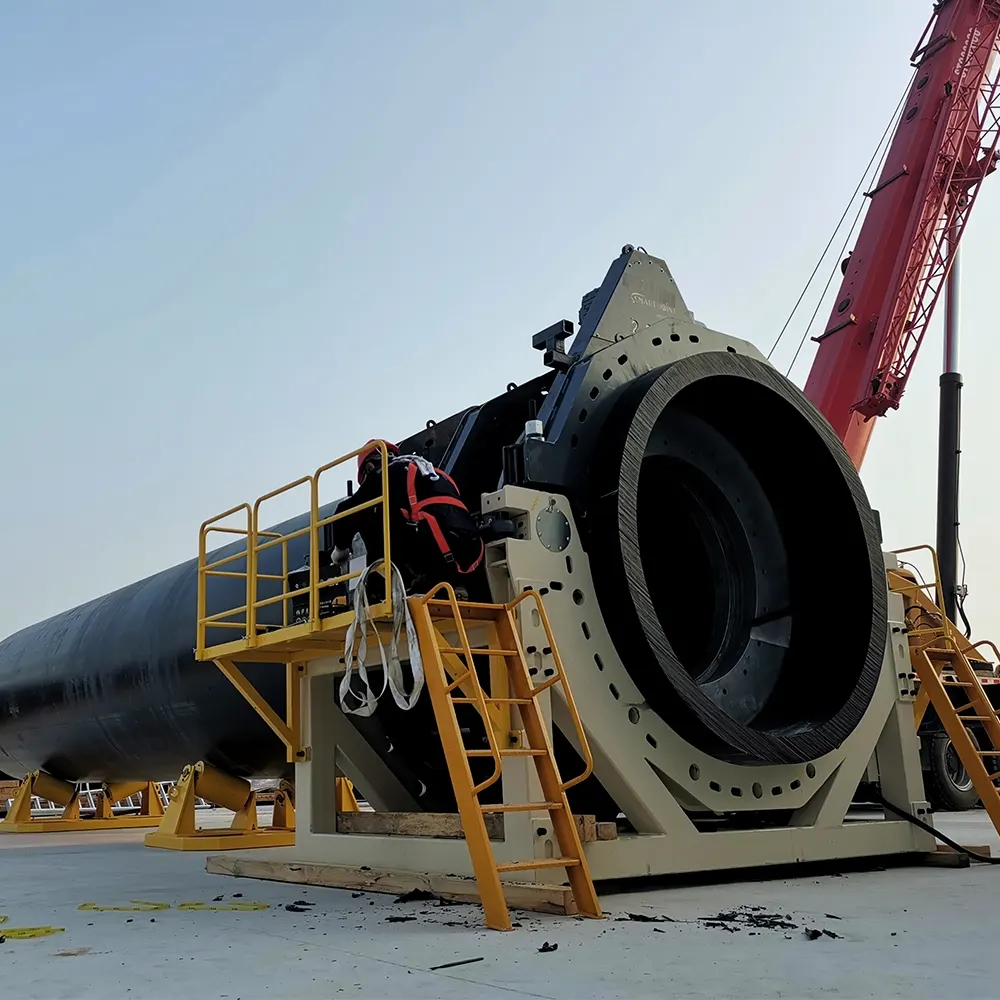
There are manual, hydraulic, and CNC automatic butt fusion machines. Manual machines are ideal for small-diameter, on-site repairs and tight budgets. Hydraulic units provide higher force for larger-diameter pipes used in main distribution lines. Automatic and CNC models deliver the best repeatability and data logging for large infrastructure contracts where traceability matters.
Quick Comparison Table
| Model (Example) | Type | Typical Diameter Range | Best For |
|---|---|---|---|
| JQSY-2M | Manual Butt Fusion | 20mm – 315mm | Repairs, small mains, irrigation laterals |
| JQH450mm | Hydraulic Butt Fusion | 90mm – 450mm | Urban distribution, medium pipelines |
| JQA250 | Automatic / CNC | 63mm – 250mm | Contractor projects, quality control & data logging |
Installation Tips for Paraguayan Conditions
Train operators on proper surface preparation and temperature management to ensure consistent fusion across variable ambient conditions. Use appropriate heating plates and aligners for thicker-walled pipes used in high-pressure or buried applications. For remote sites, plan for spare parts and a basic service kit to minimize downtime.
Maintenance and Support
Regular inspection of clamping surfaces, sensors, and hydraulic components preserves weld quality. Look for machines with clear user manuals and accessible service channels to receive timely replacement parts and technical support — especially important for projects distant from major urban centers.
Sourcing and Local Partnerships
Buyers in Paraguay often partner with manufacturers that offer flexible shipping, customization, and training for local crews. For an established manufacturer of HDPE butt fusion solutions, consider contacting JQ-Fusion for model options, spare parts, and training programs tailored to Latin American infrastructure projects: https://jq-fusionwelding.com/.
Ready to choose the right welding solution? Evaluate jobsite needs, pipe diameters, and required documentation, then select a machine type that balances portability, capacity, and automation level to match Paraguay’s project scale.



