
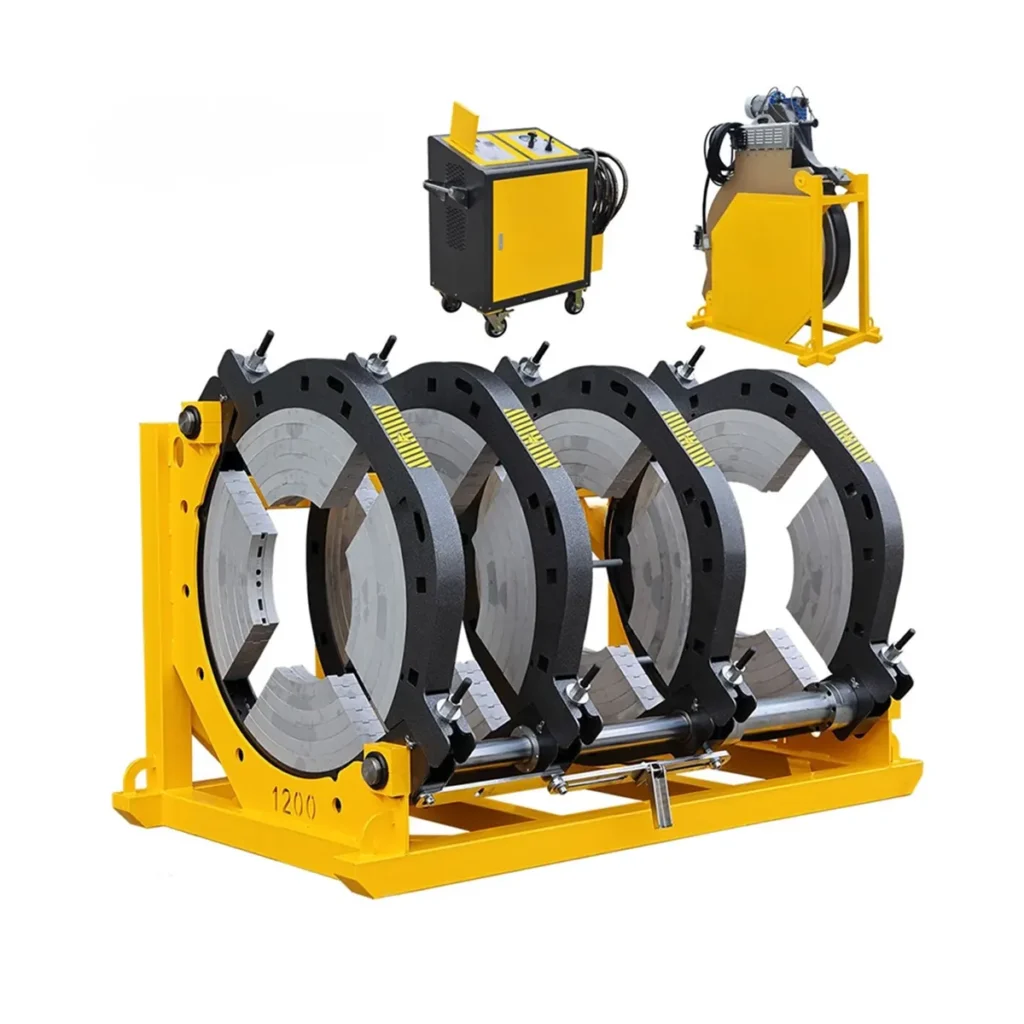
Choosing the best HDPE jointing machine factory for projects in Brunei means balancing reliability, climate suitability, and local support. Whether you are a municipal contractor upgrading water mains, an oil-and-gas service provider extending utility networks, or a plumbing firm working on new developments in Bandar Seri Begawan, the right butt fusion equipment makes installation faster, safer, and more cost-effective.
Why Brunei Projects Need Robust HDPE Jointing Machines
Brunei’s tropical climate and coastal conditions demand pipe systems and welding equipment that resist humidity, UV exposure, and long-term thermal cycling. HDPE piping is popular for water distribution, drainage, and fuel transfer because of corrosion resistance and flexibility. For local teams, machines that deliver consistent butt fusion welds reduce rework and leakage risk in both urban and remote island works.
Core Machine Types and When to Use Them
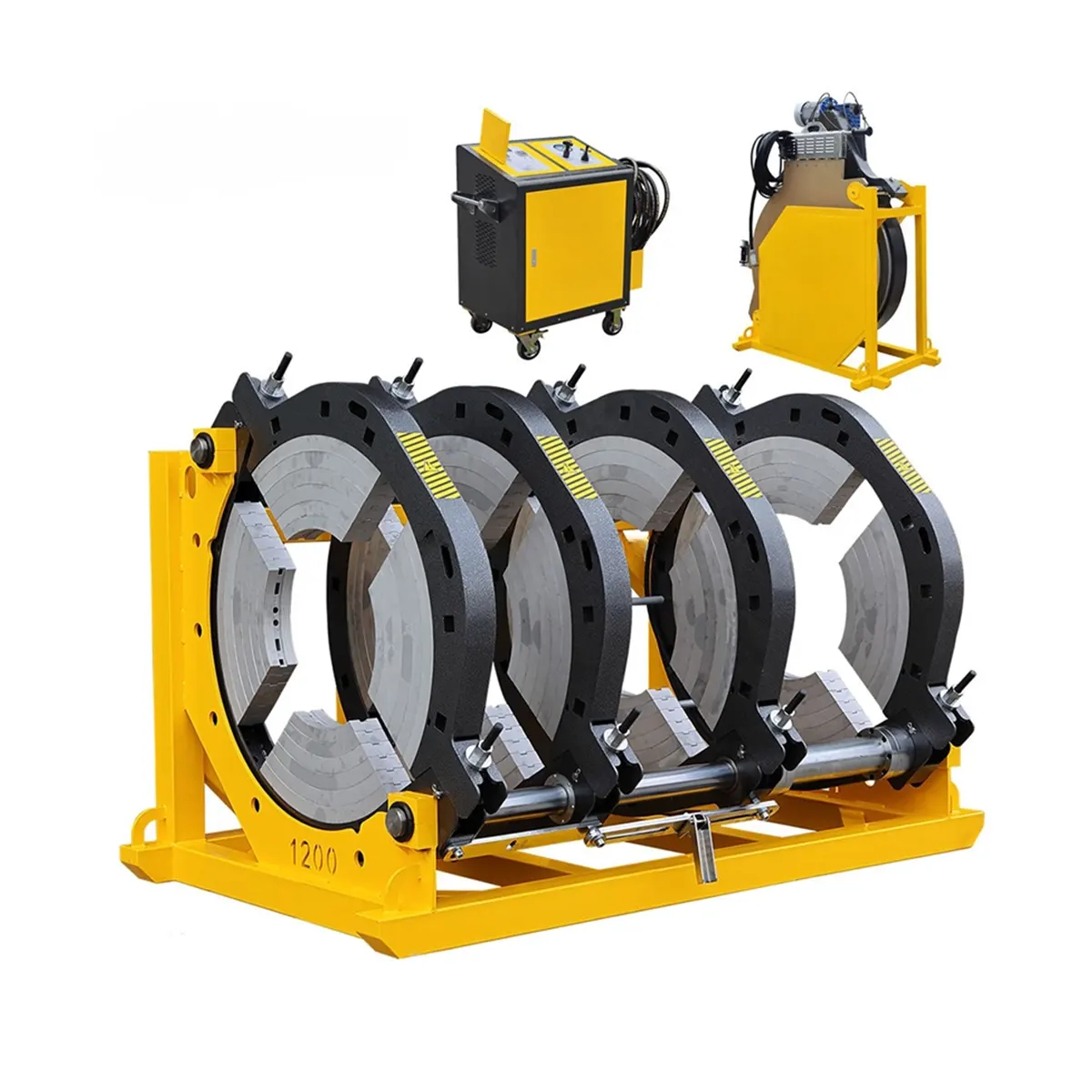
Manual butt fusion machines are compact and ideal for small-diameter lines or tight urban jobs. Hydraulic machines give stable force control for medium to large diameters, suited to municipal water projects. CNC automatic butt fusion systems provide data logging and repeatability for utility contractors and large pipeline installations in industrial zones.
Quick Comparison Table
| Machine Type | Pipe Range | Best For | Typical Brunei Application |
|---|---|---|---|
| Manual Butt Fusion | 20–160 mm | Small repairs, tight sites | Residential water service connections |
| Hydraulic Butt Fusion | 160–1200 mm | Main distribution lines | Municipal and irrigation pipelines |
| CNC Automatic Butt Fusion | 63–630 mm+ | Large projects, traceable welds | Industrial networks, gas distribution |
How to Evaluate a Factory Before Buying
• Quality control and certifications: Look for consistent quality checks on heating plates, clamps, and hydraulic systems to ensure long-lasting welds in humid conditions.
• Local support and parts availability: For Brunei projects, fast access to spare parts and technicians minimizes downtime—especially important for remote site work on the coast or inland oilfield facilities.
• Training and documentation: Reliable factories provide operator training and clear welding procedures—this helps Bruneian contractors maintain compliance with local standards and reduce installation errors.
Maintenance Tips for Tropical Environments
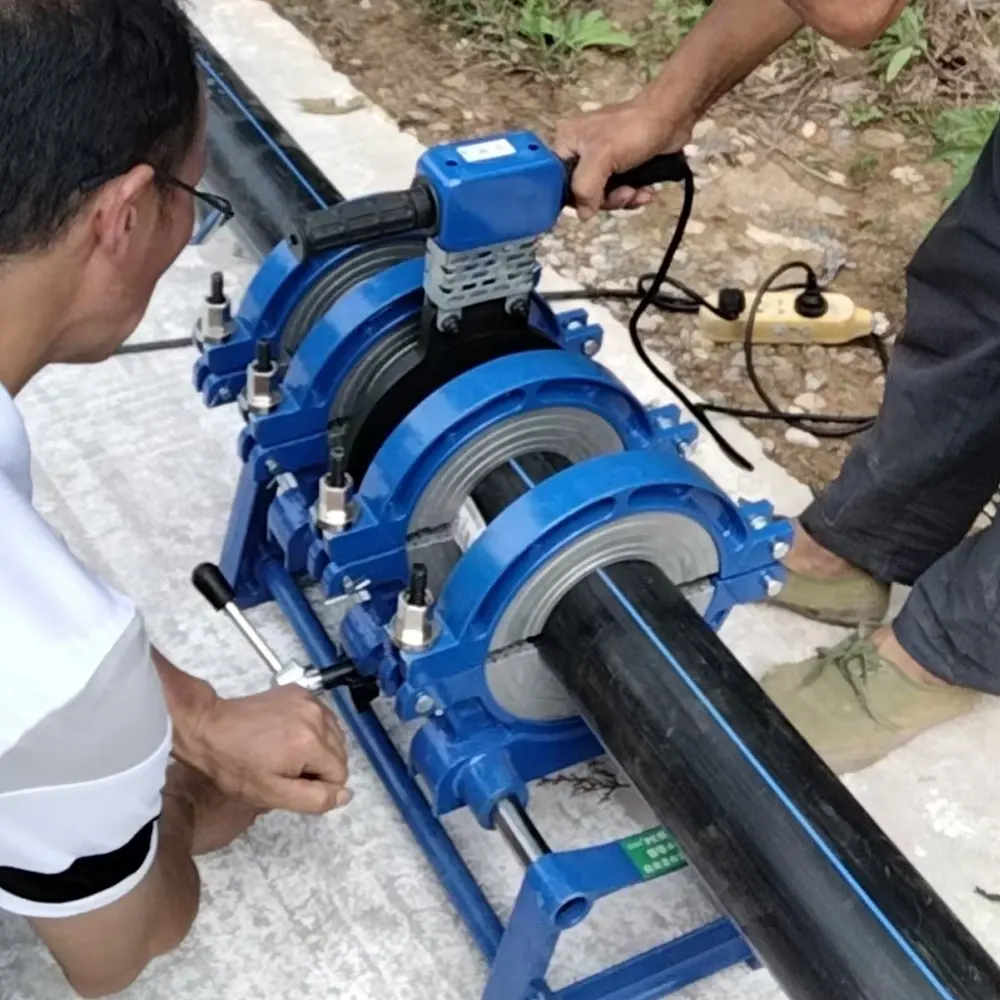
• Keep heating plates clean and covered when not in use to prevent corrosion and salt buildup.
• Regularly service hydraulic seals and replace hoses exposed to UV and heat to avoid sudden failures on critical pipeline jobs.
• Store electronic control units in shaded, dry cases and verify calibration after long storage or heavy rain exposure common in Brunei’s climate.
Why Manufacturer Reputation Matters
A trusted factory demonstrates proven performance across different pipe sizes and project types. One such example is JQ-Fusion, a professional manufacturer specializing in HDPE pipe welding machines, providing manual, hydraulic, and CNC automatic butt fusion solutions for global infrastructure projects.
Final tip: For Brunei-based projects, prioritize a supplier that balances machine durability, after-sales responsiveness, and operator training—this combination keeps schedules on track and reduces lifecycle costs for water, gas, and industrial pipelines.



