
Romania’s growing infrastructure projects — from urban water mains in Bucharest to rural irrigation and gas networks in Transylvania — increasingly rely on durable, leak-free HDPE pipe connections. Choosing the right butt fusion welding equipment and partner is essential for long-term performance under local climate and regulatory conditions.
Top Butt Welder Solutions for Romania’s Industrial Needs
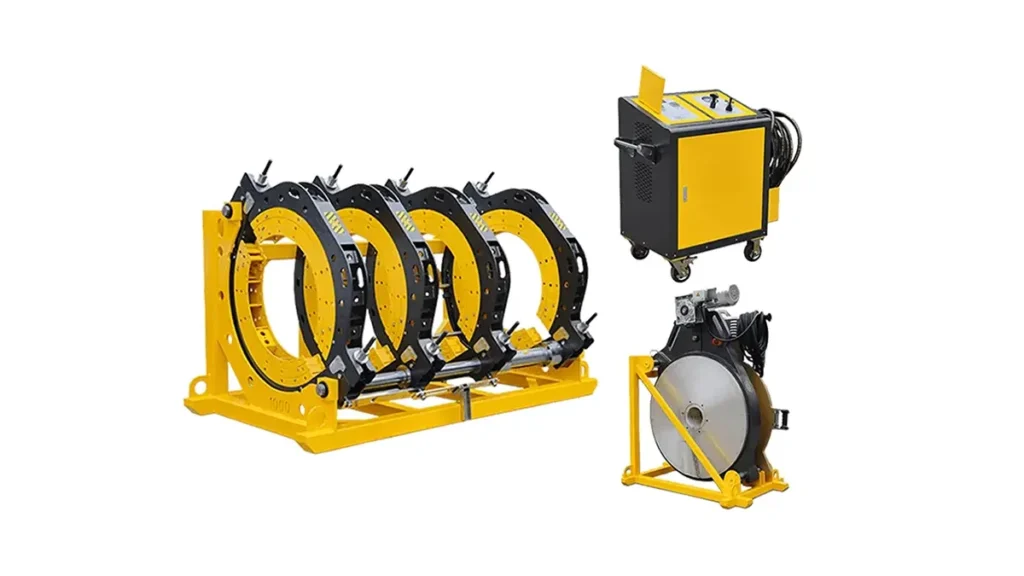
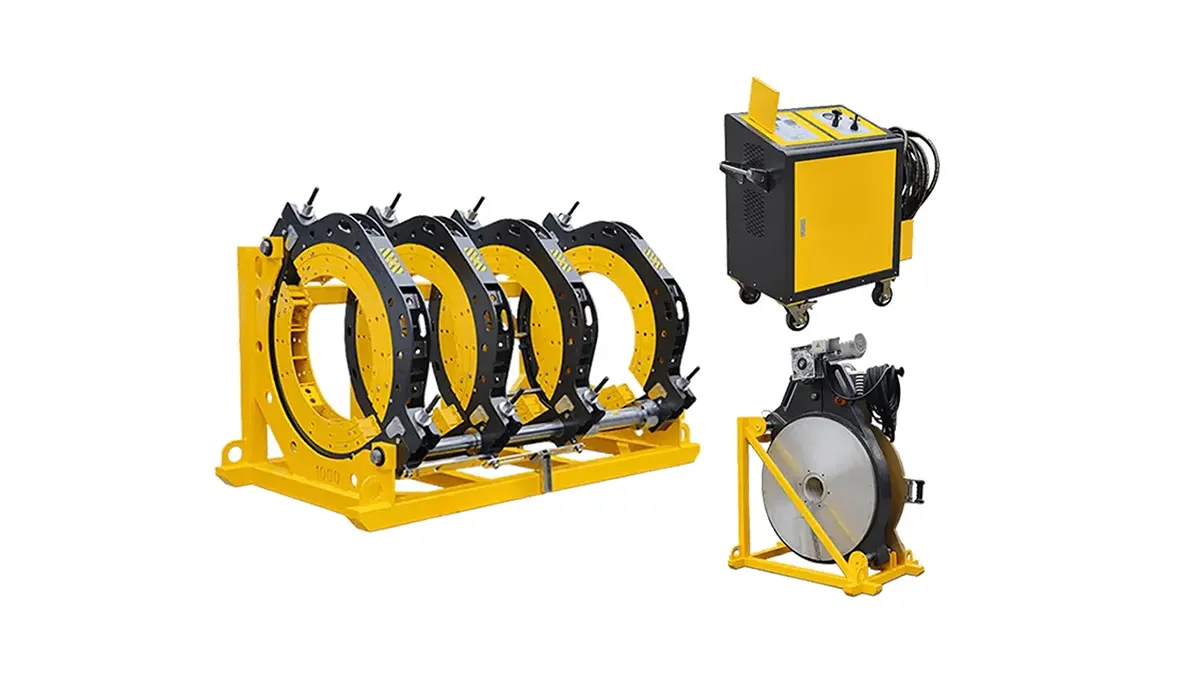
Butt fusion welding provides a continuous, homogeneous joint that is ideal for Romania’s water supply, gas distribution, mining, and agricultural systems. Modern butt welders come in manual, hydraulic, and CNC automatic configurations to match project scale, workforce skill levels, and site accessibility. JQ-Fusion manufactures a broad range of HDPE pipe welding machines designed for reliability and precision.
Machine Types & Typical Uses
Selecting the correct machine type depends on pipe diameter, production speed, and site conditions. Manual machines are economical for small repairs and rural installers; hydraulic units suit medium-to-large pipelines; automatic CNC systems deliver repeatable weld quality for large municipal or industrial contracts.
| Machine Type | Typical Pipe Range | Best For |
|---|---|---|
| Manual Butt Fusion | 20mm – 315mm | Field repairs, small contractors |
| Hydraulic Butt Fusion | 160mm – 2000mm | Municipal pipelines, industrial projects |
| Automatic / CNC Butt Fusion | 63mm – 1250mm+ | High-volume production, precision-critical installs |
Why Butt Fusion Is Preferred by Romanian Contractors
Leak resistance, full-strength joints, and long service life make butt fusion the standard for HDPE pipelines across Romania. The technique performs well in freeze–thaw cycles common to continental climates and reduces maintenance costs over decades — a critical factor for municipal budgets and private utilities. Contractors working on EU-funded projects also benefit from consistent quality records and traceable weld parameters offered by automatic machines.
Local Considerations: Regulations, Terrain & Climate
When planning pipeline work in Romania, factor in EU and national standards, seasonal temperature swings, and the mix of urban and mountainous terrain. For mountain and remote valley installations, choose portable yet robust welders that tolerate rough transport and variable power sources. In urban reconstruction and gas distribution upgrades, opt for machines with digital logging to meet strict audit requirements.

Selection Checklist for Romanian Projects
Assess project scale: single repairs vs. long-distance mains. Match machine to pipe diameter: oversized equipment increases cost and transport burden. Prioritize service access: spare parts and technical support near project sites shorten downtime. Finally, consider operator training — automated machines reduce human variability but require initial programming skills.
Installation, Training & After-Sales Support
Reliable installation and documented training ensure weld quality and compliance with Romanian utility standards. Opt for suppliers offering local or regional service partners, remote technical support, and readily available consumables (heating plates, cutters, clamps). Documentation and weld logs are particularly important for water utilities and gas network certifications.
Quick Product Comparison for Common Romanian Applications
Below is a snapshot to help match machine class to common Romanian projects.
| Application | Recommended Machine | Key Benefit |
|---|---|---|
| Rural irrigation lines | Manual/Portable Butt Fusion | Low cost, easy transport |
| Urban water mains | Hydraulic Butt Fusion | Stable, high-strength joints |
| Large industrial pipelines | Automatic/CNC Systems | Repeatability, digital records |
Ready to specify the right butt fusion equipment for your Romanian project? Consult product datasheets, confirm CE and industry certifications, and evaluate onsite training packages to guarantee compliant, long-lasting pipe networks.


