
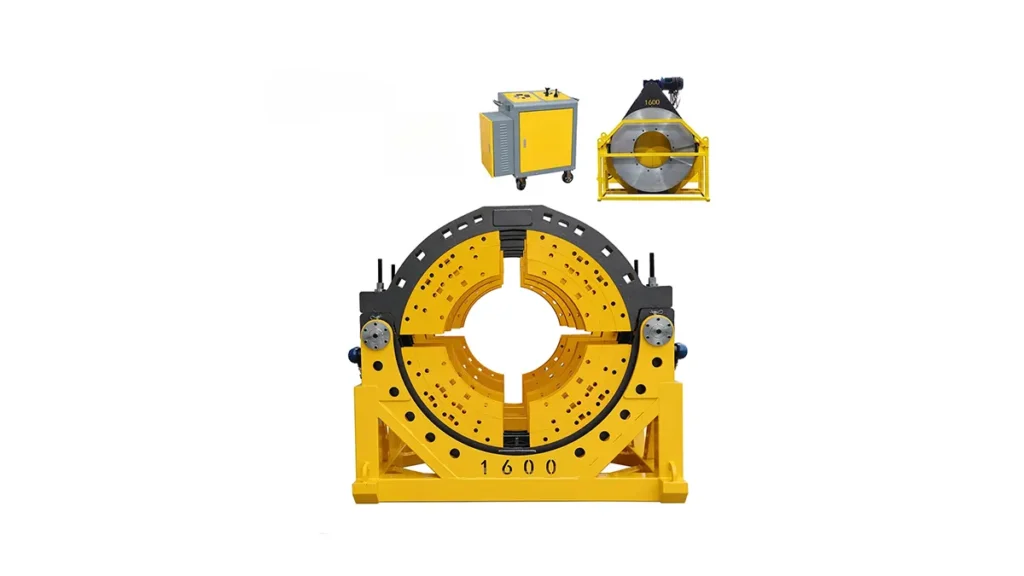
HDPE pipe jointing machines are essential for building durable water, gas, and irrigation networks across Pakistan. This guide explains common machine types, local pricing expectations, practical uses for Pakistani projects, and a clear buying checklist to help contractors, municipal engineers, and distributors choose the right equipment.
Why HDPE Butt Fusion is the Preferred Choice in Pakistan
High-density polyethylene (HDPE) pipes joined by butt fusion deliver leak-free, corrosion-resistant pipelines — a major advantage for Pakistan’s diverse climates and infrastructure needs. From Khyber Pakhtunkhwa irrigation schemes to urban water supply upgrades in Lahore and Karachi, butt fusion offers reliable long-term performance with low maintenance.
Typical Applications in Pakistan
Water supply, sewerage, gas distribution, agriculture irrigation, and mining pipelines are the most common uses. HDPE joints are especially suited to rural irrigation networks where soil movement and corrosion can undermine metal joints. The method also reduces downtime in urban projects where rapid, reliable jointing is required.
Types of HDPE Pipe Jointing Machines
Manual (portable) machines — light, cost-effective, ideal for small diameter pipes and remote sites.
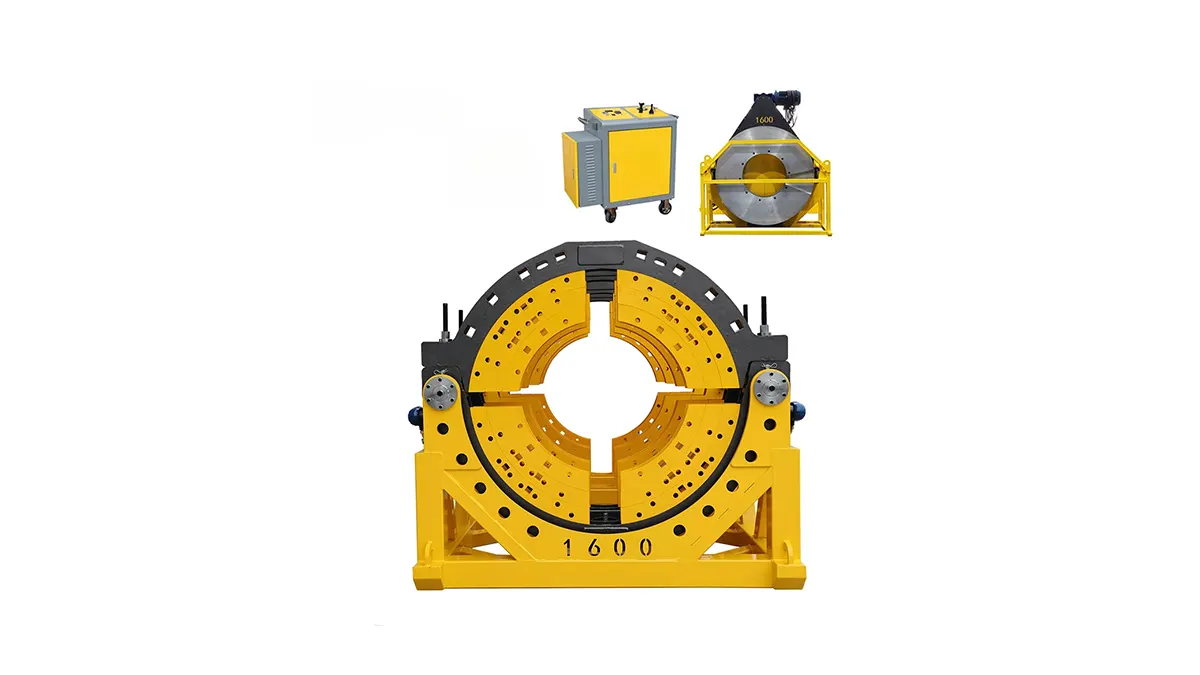
Hydraulic machines — robust and user-friendly for medium to large diameters; often used in municipal and industrial jobs.
Automatic/CNC machines — best for high-volume, precision projects and contractors focused on speed and repeatability.
Quick Comparison Table (Typical Price Ranges)
| Machine Type | Suitable Pipe OD | Approx. Price (PKR) * |
|---|---|---|
| Manual Portable Units | 20–160 mm | 100,000 – 450,000 |
| Hydraulic Machines | 160–1600 mm | 1,000,000 – 10,000,000 |
| Automatic/CNC Systems | 63–1250 mm | 3,000,000 – 12,000,000+ |
*Prices are indicative for Pakistan, dependent on model, custom features, taxes, and shipping. Request a quote to get exact pricing.
Key Buying Considerations for Pakistan Buyers
Project scale: small community networks usually need manual or small hydraulic machines; large municipal or industrial works benefit from hydraulic or automatic systems for higher throughput.
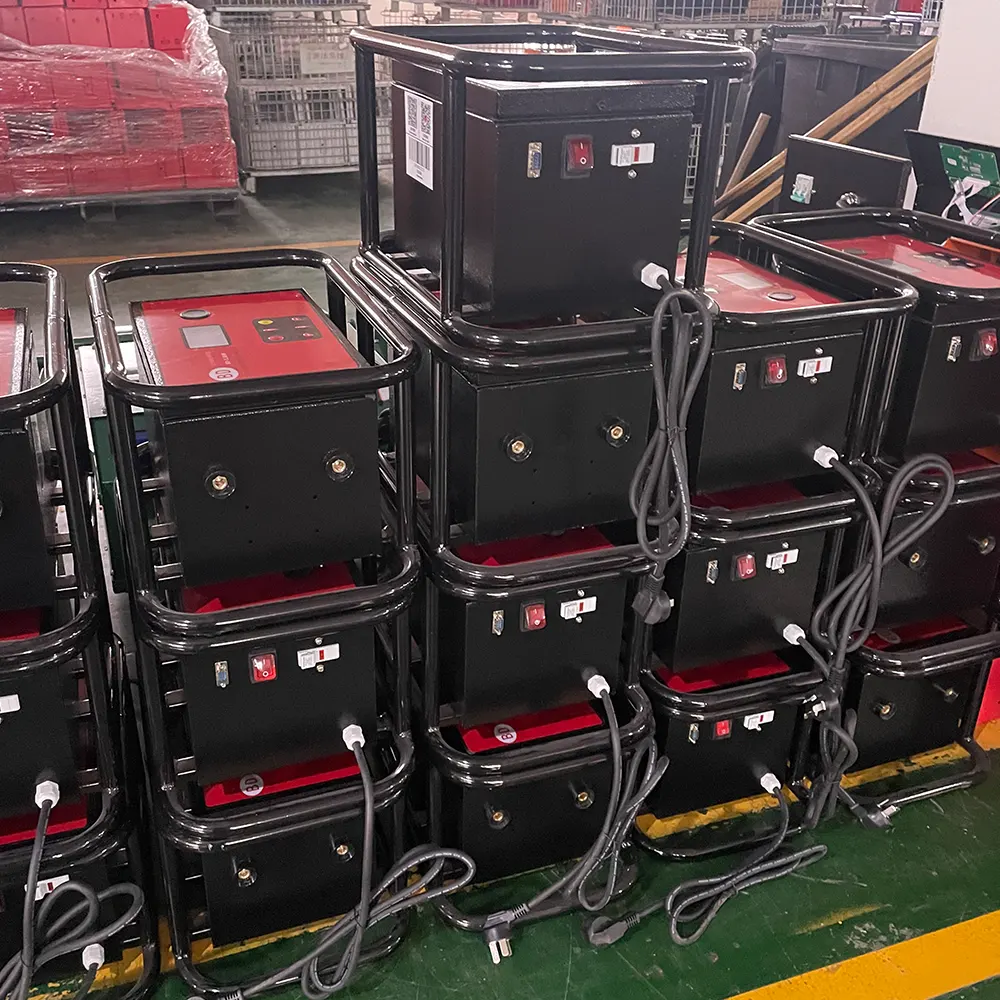
Power & mobility: check local power availability and whether a petrol/diesel powerpack is needed for remote locations.
Spare parts & service: choose suppliers who can provide spare heaters, cutters, and fast delivery to Pakistan ports. Look for straightforward calibration and local technician training options.
Certifications: ensure compliance with ASTM, ISO or EN standards for weld control and machine safety.
Specifications to Match Your Project
When evaluating models, compare clamping ranges, maximum fusion pressure, heater plate sizes, cycle control systems, weight, and portability. For critical gas or drinking water projects, prefer machines with digital control and weld data logging for traceability.
Maintenance & Best Practices
Regular maintenance improves uptime: clean heater plates, verify alignment and clamp wear, and calibrate sensors annually. Train operators on uniform heating cycles and proper facing/trimming of pipe ends to avoid weak joints. For long-term reliability in Pakistan’s climates, store machines in dry, ventilated spaces and use protective covers during transit.
Shipping, Installation & After-Sales in Pakistan
Import duties and logistics to major ports (Karachi, Port Qasim) affect delivered price. Confirm lead times, packaging, and whether on-site installation and commissioning are included. Ask about training workshops for Pakistani crews and availability of technical manuals in English.
Frequently Asked Questions
Q: Which machine suits rural irrigation projects?
A: Portable manual or small hydraulic units (20–160 mm) are often best due to mobility and lower cost.
Q: Do automatic machines justify their cost?
A: For high-volume pipeline contracts, automatic/CNC machines reduce labor time and produce consistent welds that justify higher upfront cost.
Q: How important is supplier support?
A: Very important — fast access to spare parts, training, and troubleshooting reduces downtime on Pakistani projects.
Next Steps
If you’re evaluating HDPE welding equipment for projects in Pakistan, request model specifications, weld reports, and a freight-friendly quotation. For professional machine options and global supply experience, consider contacting JQ-Fusion at https://jq-fusionwelding.com/ for tailored recommendations and export-ready offers.



