
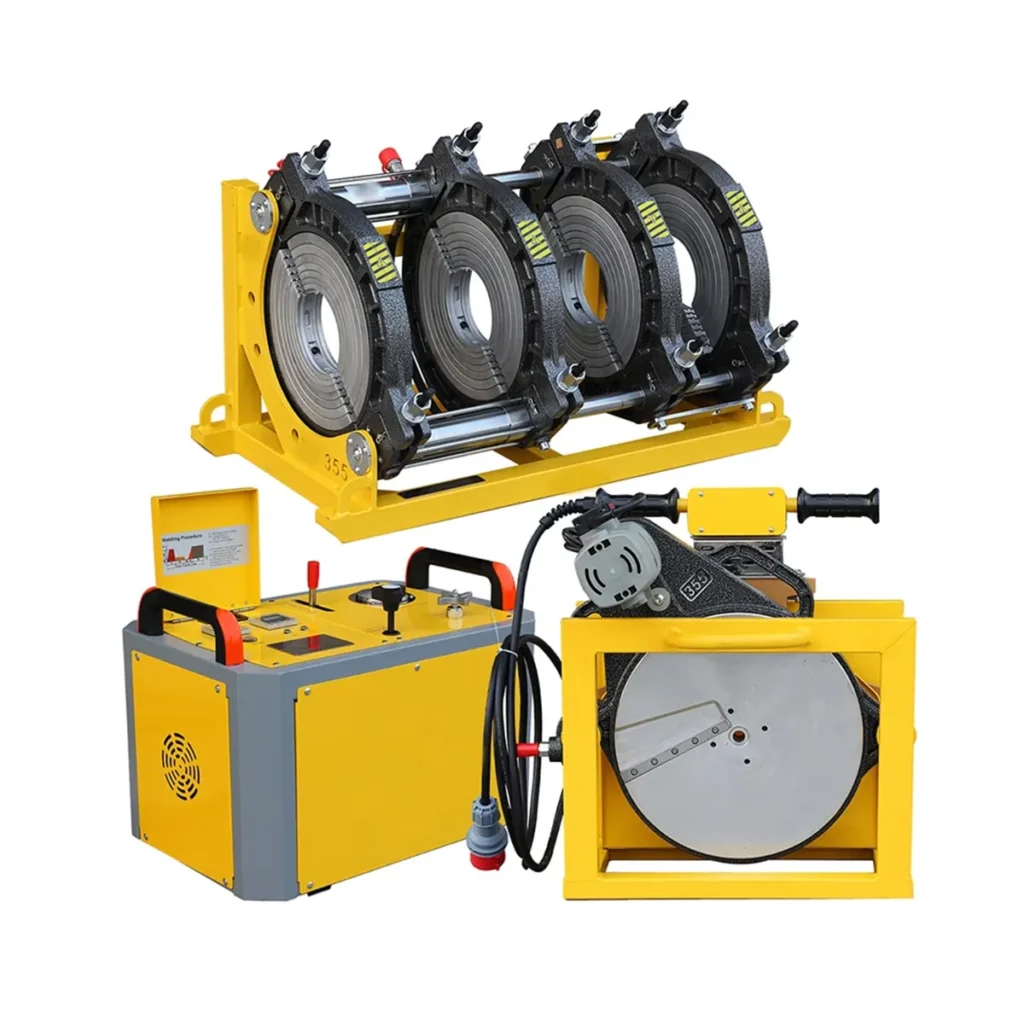
Choosing the right poly pipe welder is a decision that affects project speed, joint strength, and long-term pipeline performance. This guide helps contractors, municipal crews, and plant managers select the ideal welding machine for HDPE and other poly pipe systems by comparing machine types, key specifications, and practical buying tips.
Why the Right Poly Pipe Welder Matters
Reliable fusion joints prevent leaks, reduce downtime, and extend pipeline service life. Selecting the wrong welder can cost time on site and create rework. Focus on machine compatibility with pipe material and diameter, ease of use, and available support to ensure consistent, certified welds.
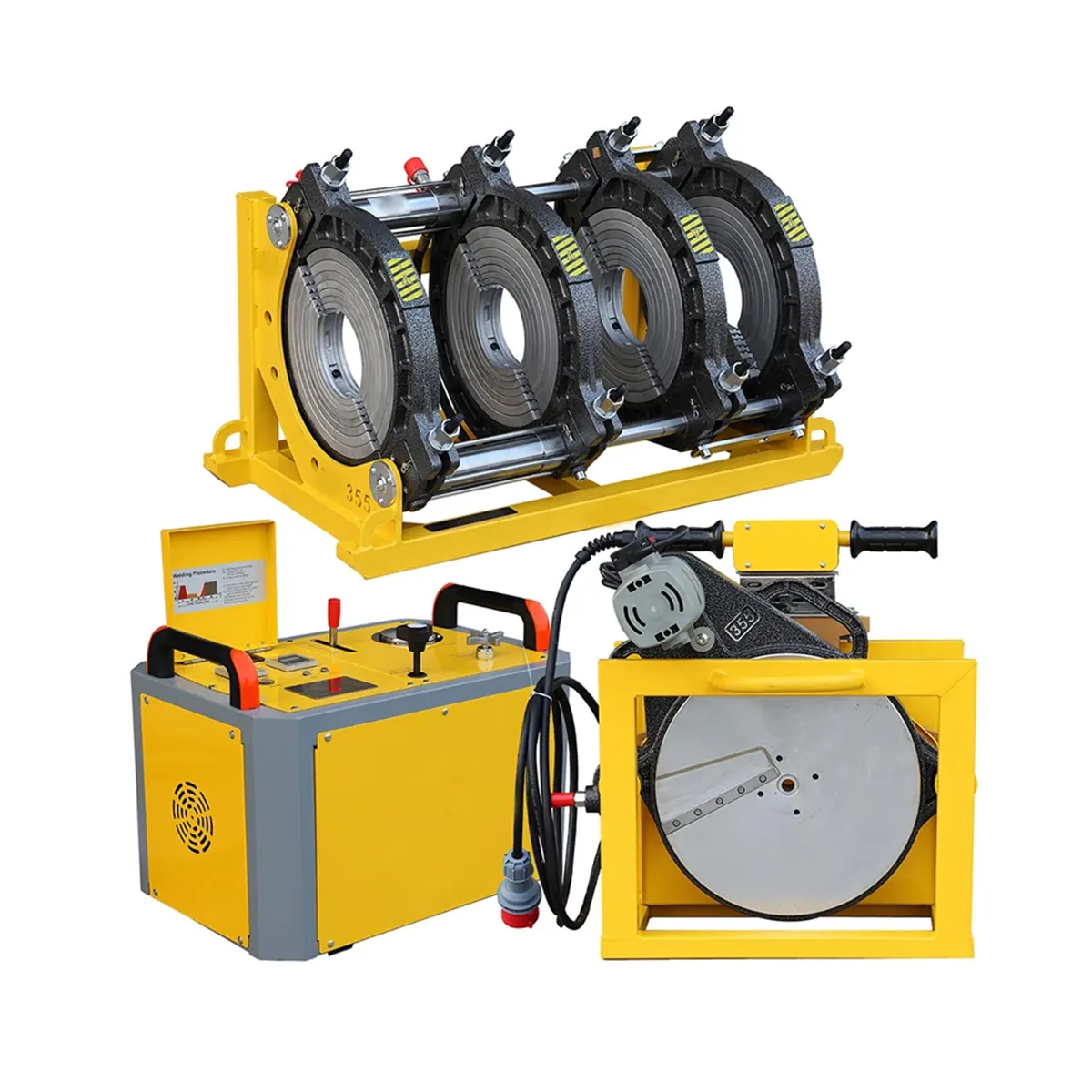
Common Types of Poly Pipe Welders
The main technologies used in pipeline works are:
- Manual butt fusion – Lightweight, cost-effective for small diameters and occasional work.
- Hydraulic butt fusion – High clamping force for medium-to-large diameters, ideal for frequent field operations.
- Automatic/CNC butt fusion – Precise, programmable cycles for large projects and consistent quality control.
- Electrofusion – Best for fittings and repair work where socket-style joints are required.
Quick Comparison: Machine Types at a Glance
| Type | Best For | Typical Pipe Range | Skill Level |
|---|---|---|---|
| Manual Butt Fusion | Small jobs, low budget | 16–160 mm | Basic |
| Hydraulic Butt Fusion | Fieldwork, medium to large pipelines | 63–2000+ mm | Intermediate |
| Automatic / CNC | High-volume, precision projects | 90–1600 mm | Advanced |
| Electrofusion | Fittings, repairs, restrained joints | 20–1100 mm (fittings vary) | Basic to Intermediate |
Key Features to Evaluate
Heating plate quality: Even temperature distribution and low friction coatings shorten prep time and reduce scarring on pipe ends.
Clamping system: Robust frames and interchangeable clamps ensure stable alignment—critical for large-diameter fusion.
Control & data logging: Look for machines with programmable cycles, digital displays, and weld data export for traceability on major projects.
Portability & power: Consider hydraulic power packs, battery-assisted units, and the machine’s weight if working in remote sites.
Applications: Where Each Welder Excels
Water supply networks, gas distribution, industrial pipelines, and mining conveyance each demand different workflows. Choose hydraulic or automatic models for long runs and high throughput; manual units are practical for repairs and small service tasks. Electrofusion is often the go-to for fittings and maintenance in tight spaces.
Maintenance, Training & After-Sales Service
Proper maintenance extends machine life—inspect heaters, clean plates, check hydraulic fluid, and keep clamp faces free of debris. Operator training is essential for repeatable weld quality; verify the supplier offers documentation, training options, and spare parts availability.
Buying Checklist
– Confirm the pipe diameters and SDRs you will weld.
– Prioritize machines with digital controls if you need traceable weld logs.
– Ask about spare parts lead times and warranty coverage.
– Request references or case studies for similar projects.
Compliance & Certification
Ensure the machine and welding procedures comply with local standards (ISO 21307, EN 12201, or other regional pipeline codes). Certifications and on-site training reduce inspection rework and improve acceptance by owners and regulators.
About the manufacturer: JQ-Fusion is a professional manufacturer specializing in HDPE pipe welding machines, providing reliable butt fusion solutions for global infrastructure projects.
Choosing the right poly pipe welder reduces project risk and improves lifecycle performance. Match machine capabilities to your typical project scale, request weld logs or demonstration videos, and plan operator training before your first weld run.



