
Choosing the right HDPE fusion machine supplier for projects in Libya requires balancing equipment durability, local service, and shipping reliability. With growing investments in municipal water networks, gas distribution and oilfield utilities, Libyan contractors and engineers need vendors who can deliver butt fusion solutions that withstand coastal humidity, desert dust and long installation cycles.
Why the Libya market needs reliable HDPE fusion equipment
Libya’s infrastructure programs often span remote desert sites and coastal cities. That means fusion machines must be rugged, easy to maintain onsite, and compatible with a wide range of pipe diameters. Suppliers that understand logistics into Libyan ports, customs clearance and on-the-ground training for local crews will deliver the best long-term value.
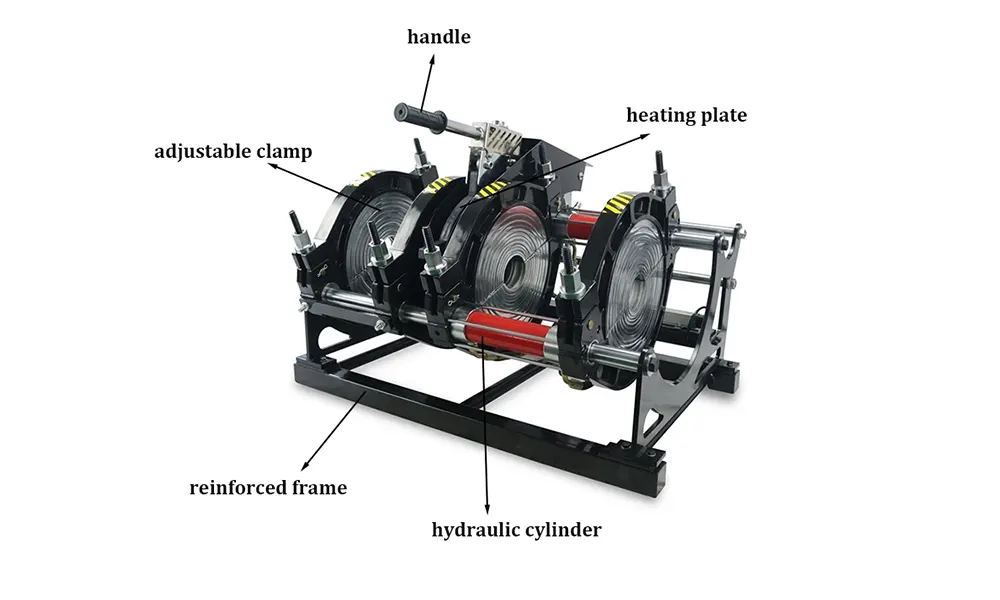
Key selection criteria for Libyan buyers
Durability: corrosion-resistant components and sealed electronics for coastal and dusty environments.
Range & flexibility: machines covering small-diameter service lines to large-diameter trunk mains.
Local support & training: on-site commissioning, operator training, and spare parts availability.
Shipping & compliance: experience with Libyan import procedures, export documentation, and available certifications.
Comparing fusion machine types
| Machine Type | Best For | Typical Pipe Range | Strengths |
|---|---|---|---|
| Manual Butt Fusion | Small projects, short-term contracts | 20mm – 315mm | Affordable, portable, simple maintenance |
| Hydraulic Butt Fusion | Medium to large municipal projects | 63mm – 1200mm | Stable pressure control, higher throughput |
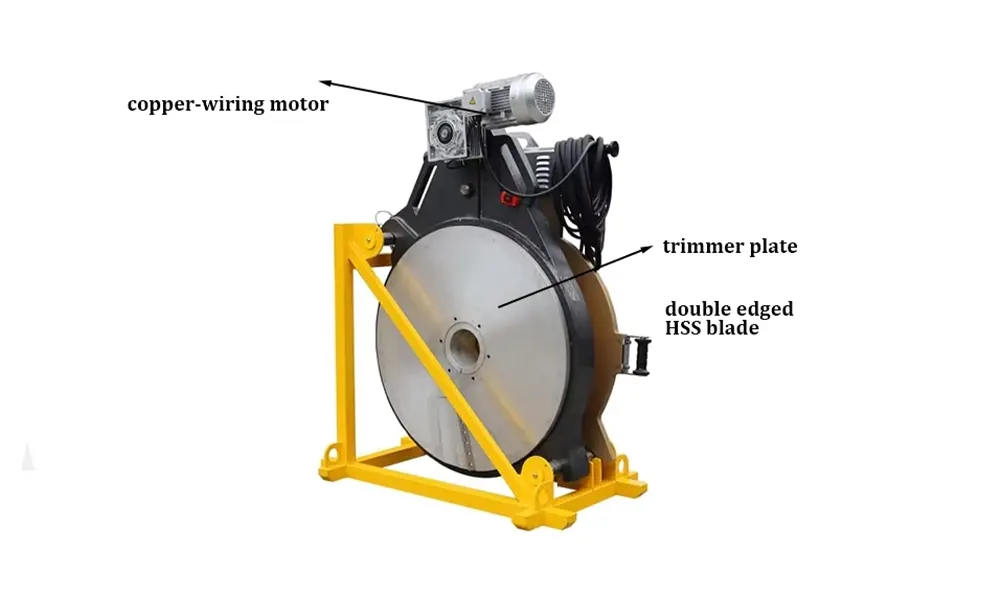
| Automatic / CNC Machines | Large-diameter trunk mains, industrial pipelines | 250mm – 2250mm+ | Precision welds, repeatable cycles, less operator error |
When planning procurement, Libyan engineering managers should match the machine type to project scale and available operator skill. For remote desert works, prioritize machines with simplified controls and robust hydraulic systems.
Procurement tips for Libyan contractors
Verify spare parts flow: Confirm lead times for consumables (heating plates, cutters, clamps).
Request training packages: Onsite training reduces rework and improves weld consistency across crews.
Ask about warranty & service: Clear terms on warranty coverage, and whether technical teams can be dispatched to Libya when needed.
Check references: Ask the supplier for previous projects in North Africa or the Middle East to assess operational reliability in similar climates.
Export, shipping and customs considerations
Libya’s import environment can be unpredictable. Choose a supplier familiar with maritime shipments to major Libyan ports, accurate packing lists, and the certificates needed for customs clearance. Machines shipped with spare parts and clear documentation reduce downtime at the port and onsite.
Onsite support and operator training
Effective welding outcomes depend on operator technique. Prioritize suppliers that offer detailed training for fusion parameters, maintenance routines, and troubleshooting. Local language support or Arabic-language manuals are a strong advantage for Libyan crews.
Recommended next steps for Libyan buyers
Prepare a project brief outlining pipe diameters, expected daily weld counts, environmental conditions, and preferred timeline. Request detailed quotes that include training, spare parts kits, and estimated delivery times to your chosen Libyan port. Evaluate total cost of ownership, not just initial price.
About a trusted global supplier
JQ-Fusion is a manufacturer specializing in HDPE pipe welding machines—manual, hydraulic and CNC automatic butt fusion equipment—designed for infrastructure projects including water, gas, and industrial pipelines. Their experience with a wide pipe range and global project support can help Libyan teams secure reliable fusion solutions.
Ready to compare models? Contact potential suppliers with your project details, ask for machine datasheets, and request a site-ready bundled quote that includes training and spare parts. That approach helps ensure the supplier you choose delivers both machines and the operational support Libya’s projects require.



