
Choosing the right HDPE pipe welder maker in Serbia means balancing durability, service, compliance with European standards, and local working conditions. This guide helps Serbian contractors, municipal utilities, and pipeline installers identify the most important criteria so you can select a welder maker who delivers reliable butt fusion, electrofusion, or multi-angle solutions for water, gas, irrigation and civil works.
Understand the Welding Technologies
Manual, hydraulic and automatic butt fusion machines each have pros and cons. Manual units are portable and cost-effective for small-diameter repairs and remote sites in Serbia’s mountainous regions. Hydraulic machines provide consistent clamping force for medium to large diameters used in municipal water mains. CNC automatic or fully automatic butt fusion systems deliver repeatable welds for pipelines with high quality expectations (e.g., long-distance gas or large municipal networks).
Key types at a glance
- Manual Butt Fusion: low cost, portable, suited to on-site repairs.
- Hydraulic Butt Fusion: strong clamping, ideal for DN160–DN1200 installations.
- Automatic/CNC Butt Fusion: precision and consistency for large projects and factory assembly.
- Electrofusion: used for fittings, service connections and complex joints.
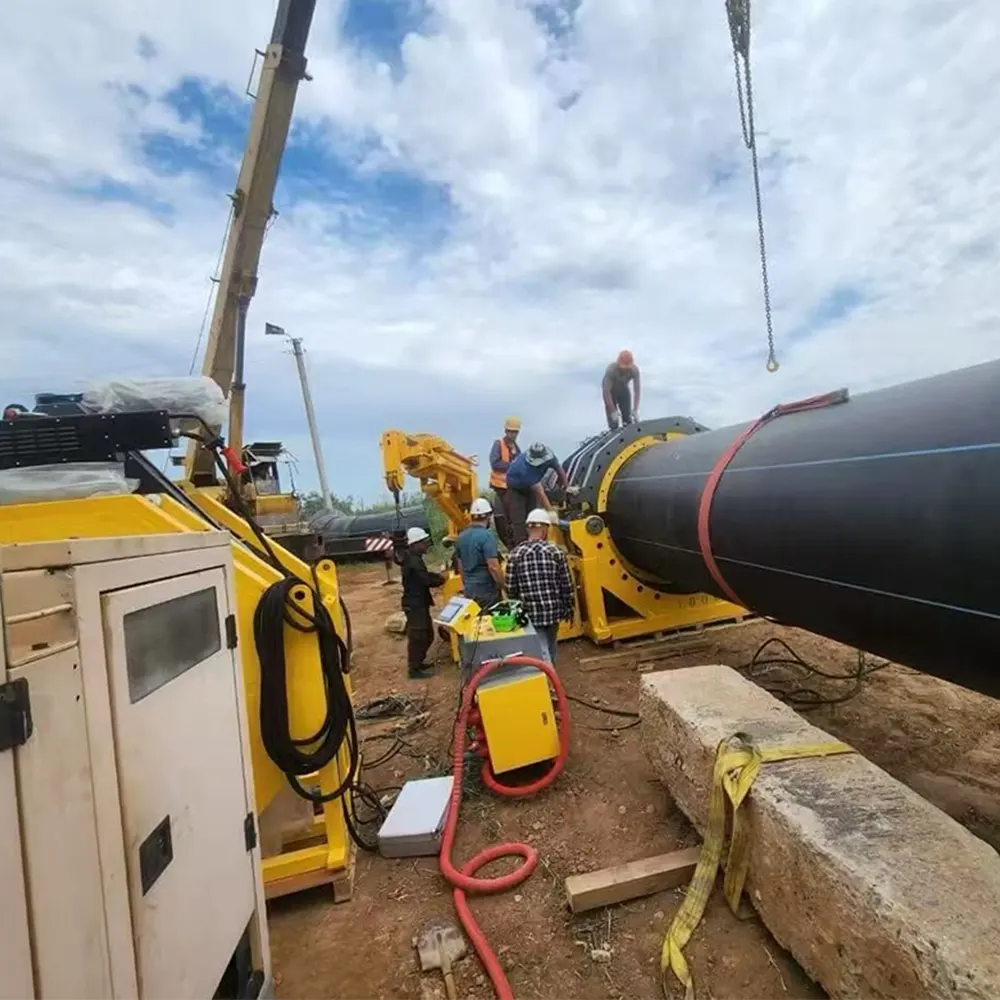
Prioritize Standards, Certification & Local Compliance
Serbia aligns many technical regulations with EU directives and international norms. Verify that the manufacturer provides CE marking where applicable, ISO quality certifications, and welding documentation traceable to EN or ISO standards. For gas distribution or public waterworks, ensure welders and welding procedures meet local contractor and utility requirements—request test reports and sample weld logs.
Evaluate After-Sales Support and Spare Parts Availability
Rapid access to spare parts and service is crucial in Serbia, especially for projects outside Belgrade where travel time increases downtime. Choose a maker who offers clear spare parts lists, fast shipping to Serbia (or a local distributor), and remote/onsite training. Consider warranty terms and whether the manufacturer provides operator training in English or with translated manuals for Serbian crews.
On-site conditions to consider
Machines must withstand seasonal temperature swings and sometimes muddy, uneven sites. Prioritize durable frames, corrosion-resistant components, and easily maintainable hydraulic systems.
Match Machine Capacity to Project Needs
Define the pipe diameter range, daily weld volume, and the working environment before selecting a supplier. For municipal networks and irrigation channels common in Serbia, DN63–DN630 are frequent; large industrial or inter-city lines may require DN800+. Confirm the maker can produce machines and clamping systems for the diameters you need.
| Machine Category | Typical Diameter Range | Best For |
|---|---|---|
| Manual Butt Fusion | Ø20–Ø315 mm | Repairs, small site works, remote locations |
| Hydraulic Butt Fusion | Ø63–Ø1200+ mm | Municipal mains, medium-large diameter pipelines |
| Automatic/CNC Butt Fusion | Ø160–Ø2000 mm | High-volume projects, industrial pipelines |
| Electrofusion | Ø20–Ø630 mm (fittings) | Service connections, fittings, controlled joints |
Check Material Compatibility & Welding Records
Confirm the machine is compatible with the PE grades you use (PE80, PE100). Ask for weld data logging capabilities—digital records and charts are increasingly required by Serbian utilities to prove weld integrity. Machines with built-in data logging and clear user interfaces reduce rework and speed acceptance inspections.
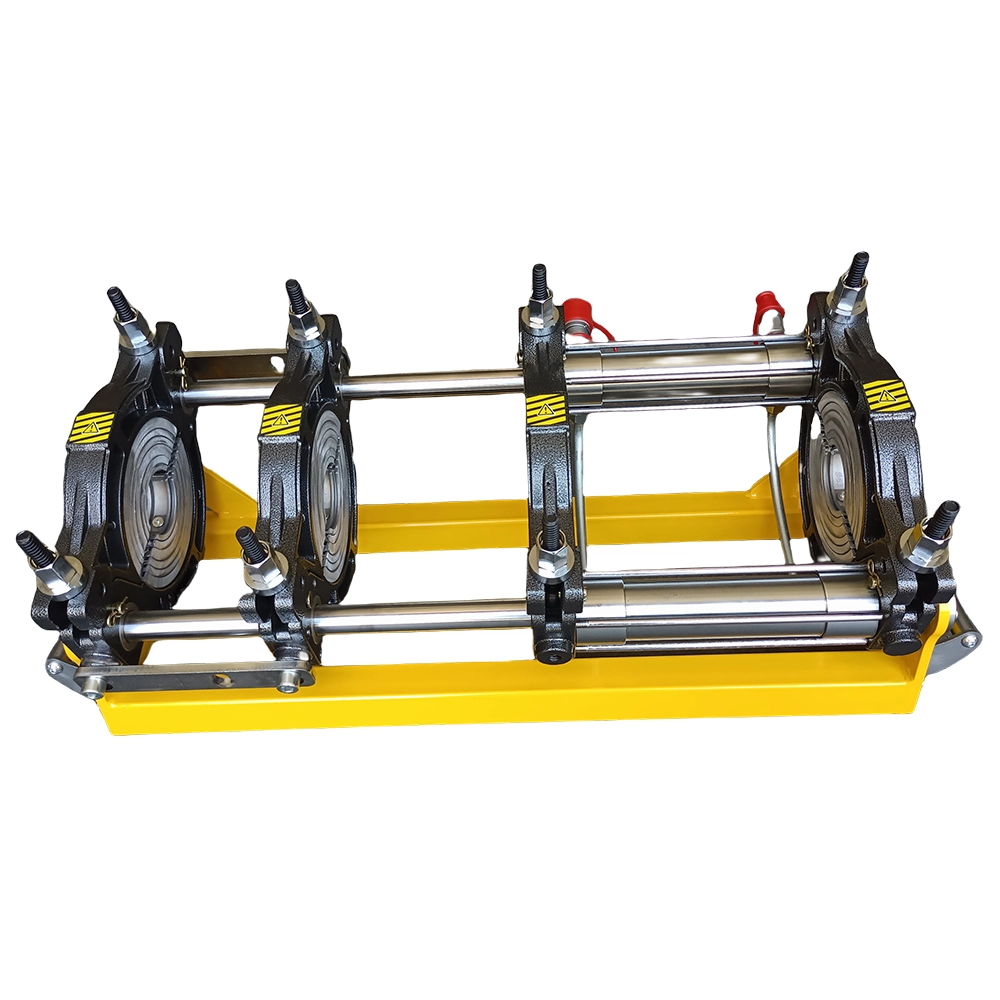
Practical buying tips for Serbia
- Request local references or projects completed in the Western Balkans to confirm real-world performance.
- Confirm electrical compatibility (230V, 50Hz) and available controllers in English or Serbian.
- Factor in customs, VAT and import lead times when comparing prices.
- Ask for operator and maintenance training—prefer makers who can support initial site commissioning.
Compare Total Cost of Ownership
A lower upfront price may increase long-term costs through downtime and repairs. Evaluate warranty length, ease of spare part replacement, availability of consumables (heating plates, scrapers), and expected service intervals. Consider investing in training and digital weld traceability to shorten acceptance cycles with Serbian utilities.
Where to Source Reliable Equipment
Look for manufacturers that combine a broad product range with proven international projects and responsive service. JQ-Fusion offers a wide selection of manual, hydraulic and automatic butt fusion machines plus electrofusion equipment suitable for Serbia’s infrastructure needs — visit https://jq-fusionwelding.com/ for product details and technical support.
Final selection checklist
- Meets EN/ISO certifications and provides weld logging
- Spare parts and service accessible in Serbia or via fast shipping
- Appropriate machine capacity for planned pipe diameters
- Onsite commissioning and operator training available
- Competitive total cost of ownership with clear warranty
Next steps
Start by documenting your typical pipe sizes, daily weld volumes and site conditions, then request technical proposals, weld samples and service plans from shortlisted makers. Prioritize suppliers that can demonstrate successful projects in climates and terrains similar to Serbia’s for the best long-term results.



