
Plastic pipe welding equipment plays a vital role in Ecuador’s expanding infrastructure projects — from coastal water networks and highland irrigation to Amazon basin mining and gas distribution. Reliable butt fusion machines and electrofusion systems ensure long-lasting HDPE pipeline joints that withstand seismic zones, saline corrosion, and tropical humidity.
Why Ecuador Needs Reliable Plastic Pipe Welding Equipment
Ecuador’s geography and economy create unique demands on piping systems. Municipal water utilities in Guayaquil and coastal towns face saltwater corrosion risk, while Andean highland projects require equipment that performs at altitude and in variable temperatures. In the Amazon and mining regions (Morona Santiago, Zamora-Chinchipe), portable, robust welding machines are essential for remote installations. Durable HDPE welding solutions reduce leaks, lower maintenance costs, and extend service life across diverse climates.
Key Applications Across Local Sectors
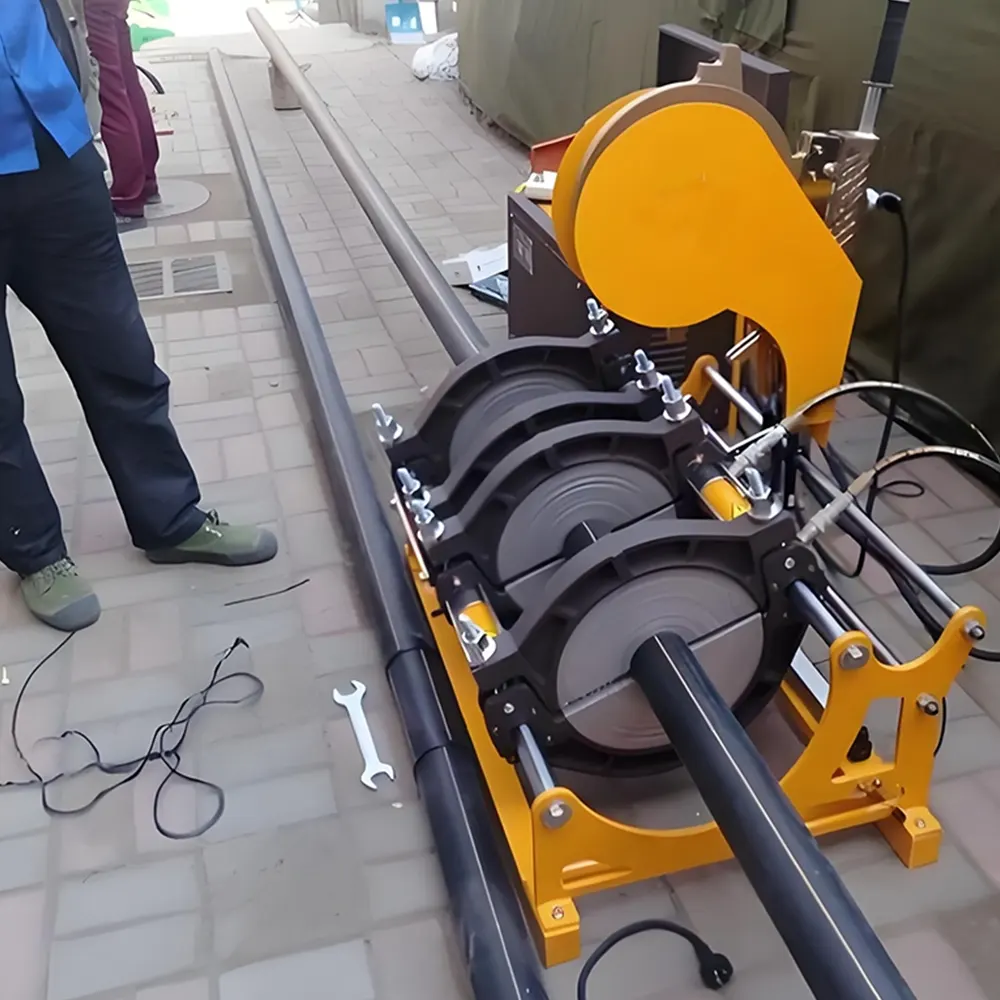
Ecuadorian contractors and municipal teams commonly deploy plastic pipe welding equipment for:
• Water supply and sanitation: HDPE pipe networks for potable water and wastewater systems.
• Agriculture and irrigation: Reliable joints for micro-irrigation across coastal plains and inter-Andean valleys.
• Oil, gas & mining: Corrosion-resistant pipelines and site utilities in production areas.
• Industrial process piping: Chemical-resistant HDPE lines for factories and mineral processing plants.
Types of Welding Machines and What Works Best in Ecuador
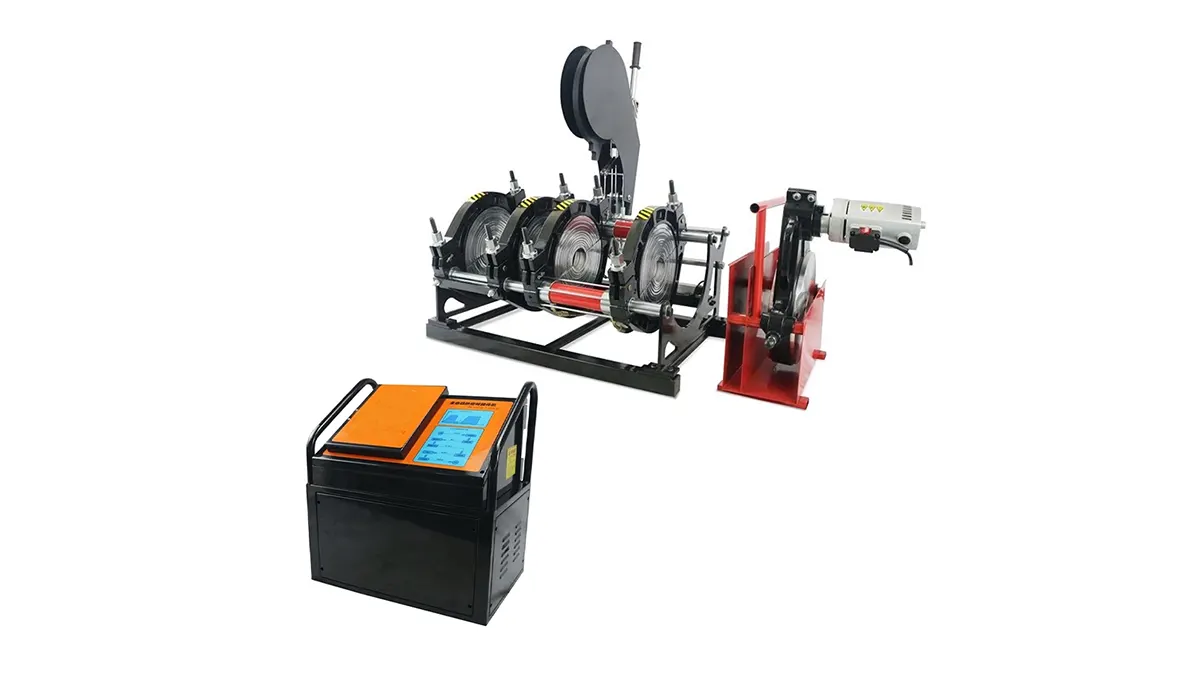
Selecting the right machine depends on pipe diameter, terrain, and crew experience. Common options include manual/portable units for field repairs, hydraulic machines for larger-diameter mains, and CNC automatic butt fusion units for high-volume factory or staging-yard welding. Electrofusion machines are ideal for smaller fittings and controlled-site connections.
| Machine Type | Best Use | Ecuador Advantage |
|---|---|---|
| Manual/Portable Butt Fusion | Field repairs, rural projects | Lightweight for mountain roads and Amazon trails |
| Hydraulic Butt Fusion | Large-diameter mains (DR pipes) | High force for consistent, durable welds |
| Automatic/CNC Butt Fusion | Production yards, large-scale pipelines | High repeatability and data logging for quality control |
| Electrofusion | Fittings, controlled environments | Fast, reliable joints for smaller diameters |
Choosing a Supplier for Ecuador Projects
Look for manufacturers that provide spare parts availability, Spanish-language manuals or training, and shipping options to Ecuadorian ports such as Guayaquil, Manta, and Esmeraldas. Working with established equipment brands like JQ-Fusion (https://jq-fusionwelding.com/) ensures access to a range of manual, hydraulic, and automatic butt fusion machines suitable for local conditions.
Practical Tips for Local Operators
Maintain consistent training for crews on fusion procedures and safety. Keep tooling calibrated and store heating plates and clamps in dry conditions to avoid rust. For remote sites, prioritize portable hydraulic units with battery or petrol-powered hydraulic packs, and maintain a stock of commonly used spare parts (heating elements, trimming tools, clamps).
Compliance, Quality & Long-Term Savings
Ensuring weld quality through proper equipment and documented fusion parameters reduces the likelihood of leaks and costly repairs. Compliance with local standards and environmental regulations helps municipal and industrial projects pass inspections faster and secures long-term performance in Ecuador’s diverse environments.
Investing in the right plastic pipe welding equipment delivers dependable HDPE joints that support Ecuador’s growth — from resilient water networks to reliable industrial pipelines.



