
Thailand’s booming infrastructure, irrigation and urban utilities projects demand reliable HDPE pipe welding solutions. From municipal waterworks in Bangkok to rural irrigation systems in Isan, contractors and utility teams look for pipe welding machine makers who combine durability, local service and proven butt fusion technology.
Why reliable pipe welding machines matter in Thailand
Thailand’s tropical climate, heavy monsoon rains and sometimes remote job sites create unique challenges. Machines must stand up to humidity, frequent transport, and long hours on-site. Local contractors prioritize portability, fast parts supply and simple controls that crews can trust under pressure.
Key criteria to evaluate a pipe welding machine maker
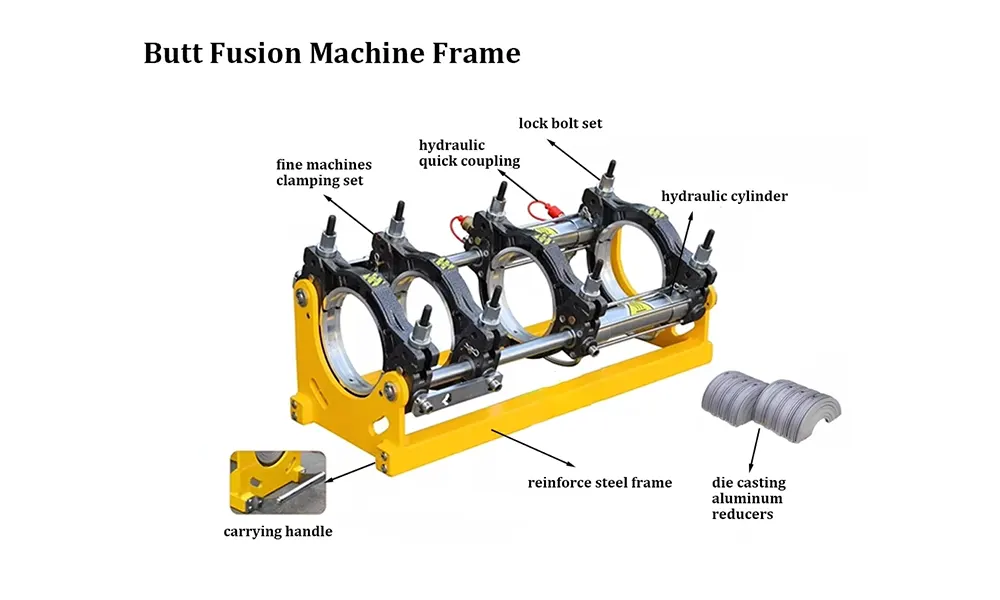
Build quality: Robust frames, corrosion-resistant finishes and quality heating plates reduce downtime in humid environments.
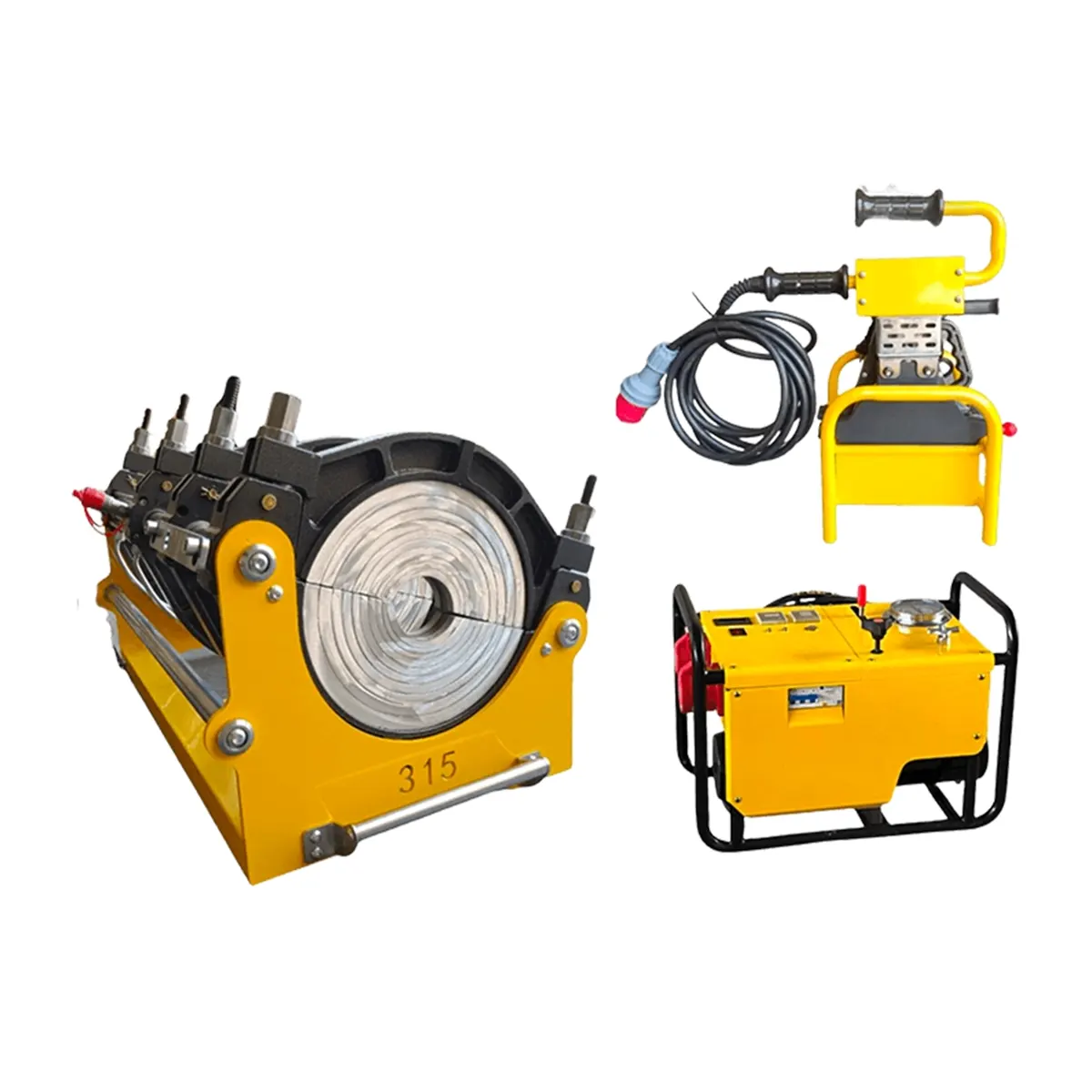
Range of machines: Availability of manual, hydraulic and automatic butt fusion units — covering small-diameter service lines up to large-diameter trunk pipes.
Service & spare parts: Quick spare parts delivery and local or regional service partners shorten repair times on critical projects.
Training & documentation: Clear procedures, on-site training and welding records help meet project QA/QC and local regulations.
Quick comparison — which machine suits which job?
| Machine Type | Best For | Typical Pipe Range | Standout Feature |
|---|---|---|---|
| Manual Butt Fusion | Small works, service connections | 20–160 mm | Lightweight, low cost |
| Hydraulic Butt Fusion | Medium to large pipelines | 160–800+ mm | High clamping force, stable fusion |
| Automatic / CNC Butt Fusion | High-volume or precision projects | 100–2250 mm | Repeatable, data-logged welds |
How local conditions shape the right choice
In Thailand, ease of transport between job sites, resistance to corrosion from coastal projects, and the ability to operate in wet conditions are crucial. For municipal waterworks, contractors often favor machines with simple maintenance and widely available consumables. For industrial or large-diameter gas lines, CNC-controlled machines with documented weld reports are preferred for compliance and long-term reliability.
Service, training and warranties — what matters most
Buying from a maker with regional support or certified distributors in Southeast Asia speeds repairs and reduces downtime. Ask potential makers about spare parts lead times, training programs for Thai crews, and warranty terms that cover harsh jobsite conditions.
A trusted option to consider
JQ-Fusion is a professional manufacturer specializing in HDPE pipe welding machines, offering manual, hydraulic and CNC automatic butt fusion solutions across a wide pipe range — suitable for water, gas, mining and industrial pipeline projects.
Practical steps to pick the best maker in Thailand
1. Request case studies or references from Thai projects or nearby Southeast Asian sites.
2. Verify parts availability and ask about local distributors or service partners.
3. Ask for demo welds or trial periods for your specific pipe material and sizes.
4. Confirm training availability for your operators and documentation for QA checks.
Final thoughts for Thai buyers
There is no one-size-fits-all “best” maker — the right choice depends on project scale, pipe sizes and the level of local support you need. Prioritize durability, service accessibility and clear welding records to ensure long-term performance across Thailand’s diverse projects.



