
Looking for reliable fusion welding machine suppliers in Tanzania? This guide explains how HDPE butt fusion and electrofusion machines support water, gas, mining and rural infrastructure projects across Tanzania — helping contractors, municipal engineers and NGOs choose the right equipment for long‑lasting pipe joints.
Why Fusion Welding Machines Matter in Tanzania
Durability and leak-free performance are essential for Tanzania’s pipelines, whether serving Dar es Salaam’s urban networks, regional irrigation systems in the Morogoro region, or remote village water schemes. Fusion welding delivers strong, homogeneous joints that resist corrosion and ground movement—critical for areas with seasonal rains and mining activities.
Common Uses in the Tanzanian Market
Local contractors and government projects commonly use fusion welding machines for:
– Drinking water distribution and rural wells
– Agricultural irrigation networks
– Gas and LPG distribution in urban expansions
– Mining and tailings pipelines in regions such as Geita and Mwanza
Types of Fusion Welding Machines Available
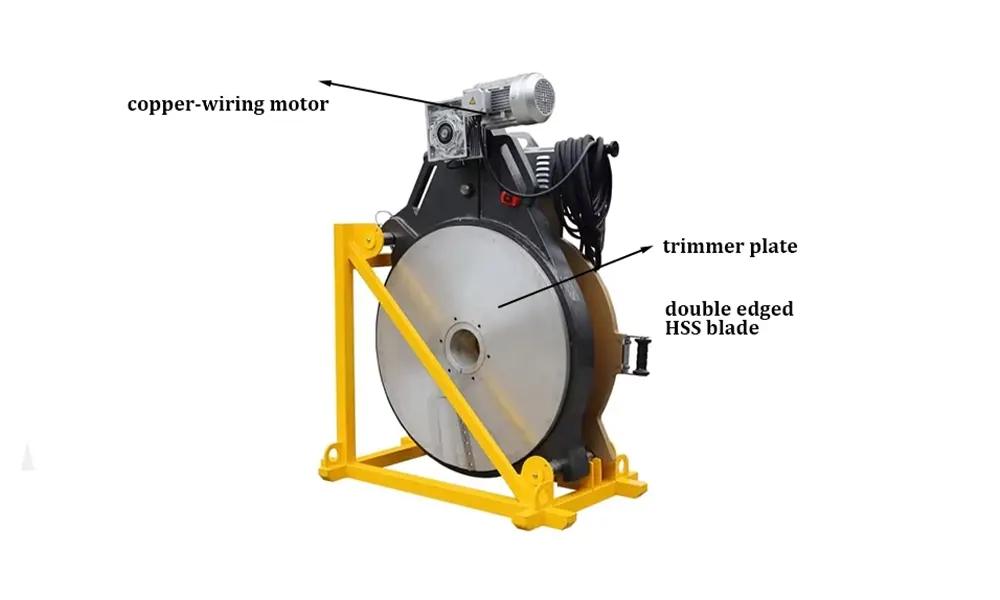
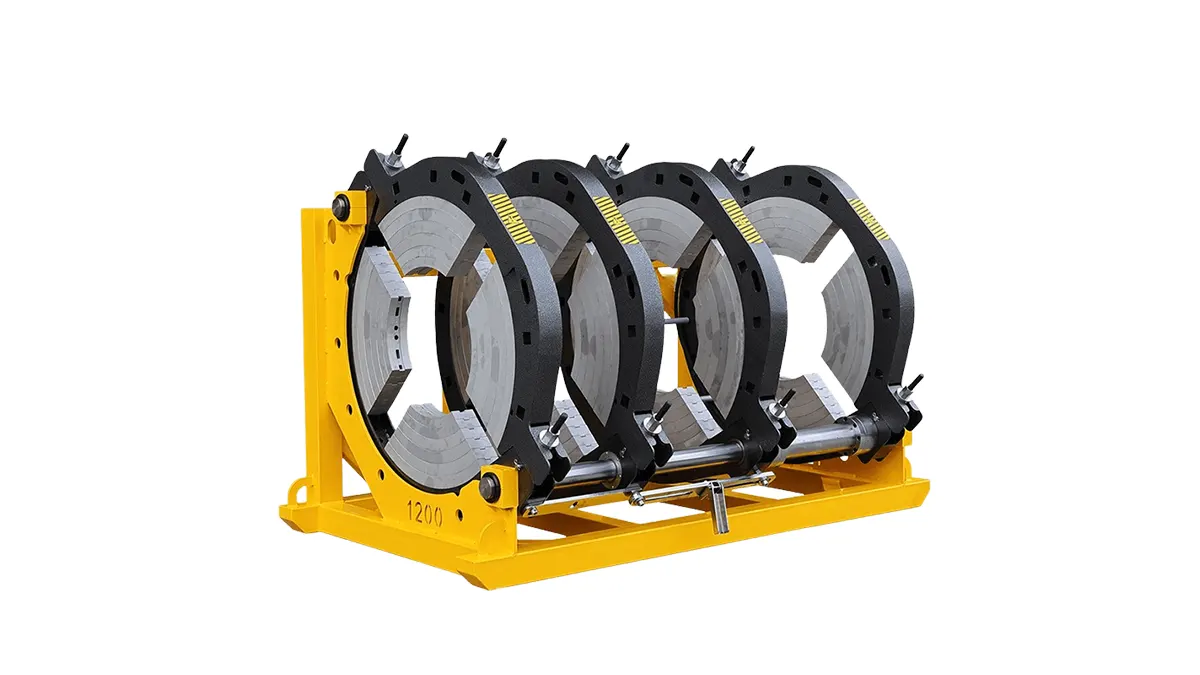
Manual butt fusion machines are cost-effective for small crews and site jobs. Hydraulic butt fusion machines provide stable pressure control for mid-size to large diameter pipes. Automatic/CNC butt fusion systems offer precise, repeatable welds for large infrastructure projects.
Quick comparison
| Model Type | Pipe Range (mm) | Best For | Key Feature |
|---|---|---|---|
| Manual Butt Fusion | 20 – 315 | Rural water & small works | Portable, low cost |
| Hydraulic Butt Fusion | 90 – 1600+ | Municipal & industrial pipelines | Stable pressure & larger diameters |
| Automatic/CNC Butt Fusion | 63 – 2250 | High‑volume infrastructure | Precision, recorded weld reports |
Selecting a Reliable Supplier in Tanzania
When sourcing equipment, Tanzanian buyers should evaluate suppliers on product quality, local support, spare parts availability and certifications. Look for manufacturers with proven HDPE welding expertise and clear service policies so field teams can keep machines running during long projects.
JQ-Fusion (https://jq-fusionwelding.com/) is a professional manufacturer focusing on manual, hydraulic and CNC automatic butt fusion welding machines that cover small to large pipe sizes and support water supply, gas distribution, mining and industrial pipeline projects.
What to check before buying
– Availability of spare parts in East Africa or reliable export lead times
– On-site training for Tanzanian technicians and operators
– Warranty terms and local maintenance partners
Installation, Training and Field Considerations
Successful deployment in Tanzania depends on field training, correct site preparation and routine maintenance. Provide operator training on proper heating, facing and alignment procedures, and ensure teams record weld logs for compliance on commercial and donor-funded projects.
Tips for Tanzanian project managers
Plan for seasonal access—deliver equipment outside heavy rains. Stock commonly used spare parts like heaters, trimming tools and hydraulic hoses. Engage local fabricators for fixtures and supports to reduce downtime.
Benefits for Local Communities and Projects
Stronger pipelines, fewer leaks and longer service life translate into reliable water access, safer gas distribution and reduced maintenance costs — outcomes that directly support Tanzania’s development goals.
For project quotes and machine specifications, contact trusted suppliers and request weld test reports, maintenance documentation and operator training plans to ensure machine selection matches your field conditions and project scale.



