
Palestine’s growing need for resilient water, gas and irrigation networks makes reliable HDPE pipe fusion equipment essential for contractors, municipal teams, and agricultural firms. Investing in the right fusion machine ensures long-lasting, leak-free joints that perform under the region’s varied climate—from coastal humidity to inland heat—supporting sustainable infrastructure upgrades across Gaza, the West Bank, and rural communities.
Why HDPE Butt Fusion Is the Smart Choice for Palestinian Projects
HDPE fusion creates homogeneous joints that resist corrosion, chemical attack, and ground movement—critical advantages for pipelines supplying drinking water, reclaimed water reuse, and buried gas lines. For engineers and field teams working in Palestine, butt fusion delivers a low-maintenance solution that reduces long-term repair costs and minimizes service interruptions in densely populated city areas and remote agricultural zones.
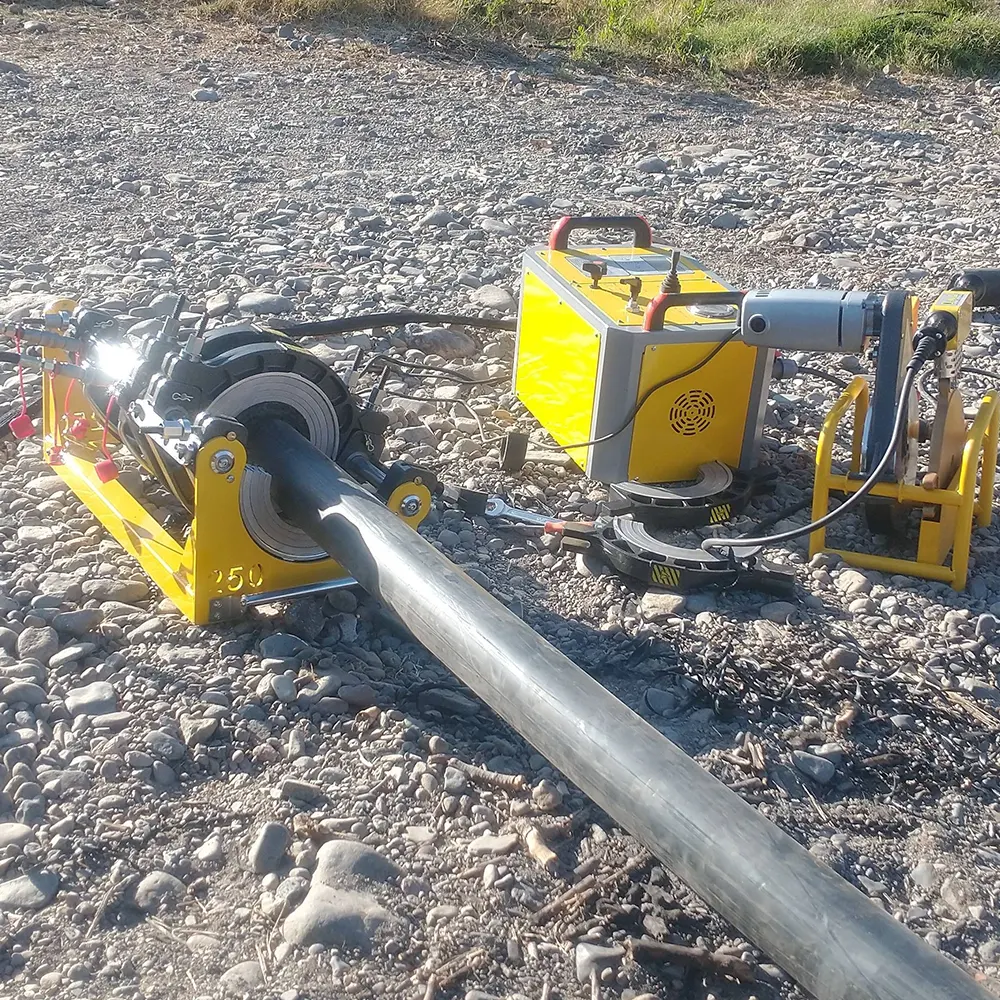
Machine Types Tailored to Local Needs
Manual units are compact and portable for small-diameter repairs and on-site trench work. Hydraulic machines add power and precision for mid-range diameters commonly used in municipal mains. Automatic / CNC systems provide consistent, recordable welds for large-diameter transmission lines and turnkey infrastructure projects where quality documentation is required by engineers and funders.
Visual Comparison — Quick Selection Guide
| Model Type | Pipe Range | Best For | Key Feature |
|---|---|---|---|
| Manual Butt Fusion | 20mm – 110mm | Small repairs, agricultural lines | Lightweight and cost-effective |
| Hydraulic Butt Fusion | 110mm – 1250mm | Municipal water, sewer, gas | High clamping force, stable heating |
| Automatic / CNC Butt Fusion | 160mm – 2500mm+ | Large infrastructure, pipeline contractors | Programmable cycles, traceable weld records |
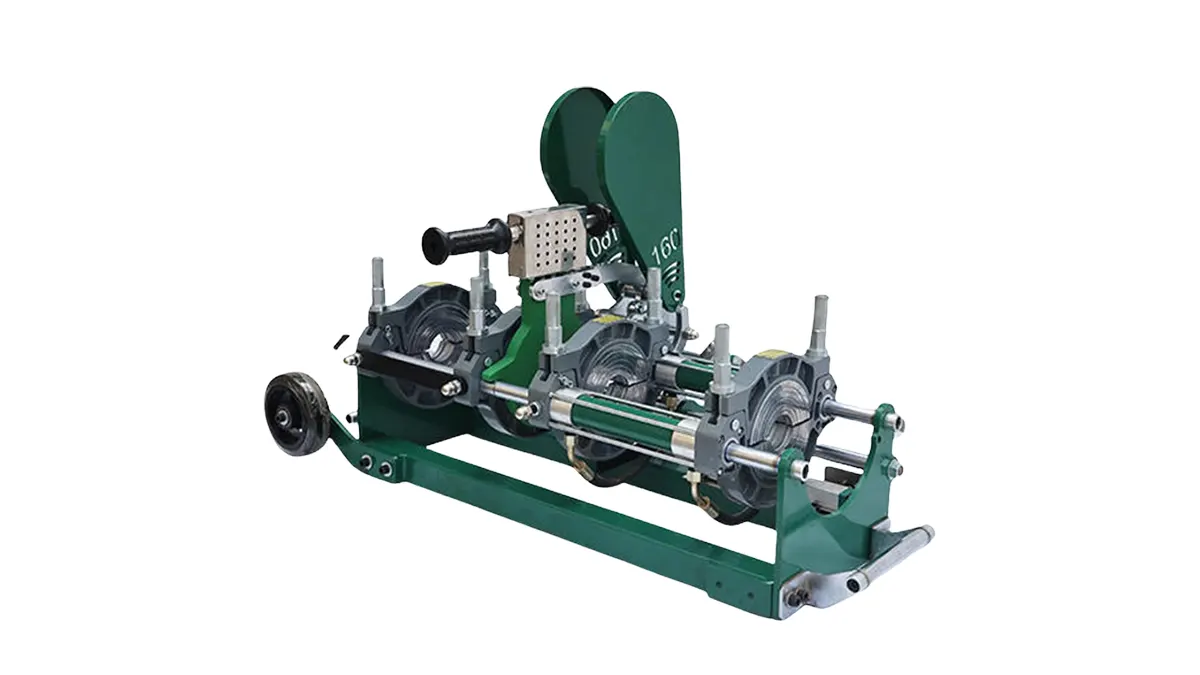
Choosing Equipment for Palestinian Conditions
When selecting machines for projects in Palestine, prioritize portability for sites with limited vehicle access, robust heating plates for high ambient temperatures, and power flexibility—machines that can run from generators or industrial power supplies. For contractors serving coastal cities like Gaza or Hebron’s highlands, corrosion-resistant components and sealed electronics improve uptime in dusty or humid conditions.
Operational Tips for Field Teams
Pre-weld preparation: Clean pipe ends and confirm alignment to avoid costly rework. Temperature control: Use calibrated heating plates and monitor ambient effects on cycle times. Training: Invest in operator training for consistent, certified welds that meet engineering standards used in donor-funded and municipal projects.
Maintenance, Spare Parts & Local Support
Reliable access to spare parts—heating plates, clamps, and hydraulic components—is essential for keeping projects on schedule. Look for suppliers that provide clear documentation, remote troubleshooting, and shipment options suitable for clearance processes in Palestinian ports and border crossings.
Ready to Upgrade Your Fusion Capability?
For tailored recommendations, equipment specifications, and project quotes, visit JQ-Fusion for global-grade HDPE pipe fusion machines designed to meet diverse infrastructure demands.



