
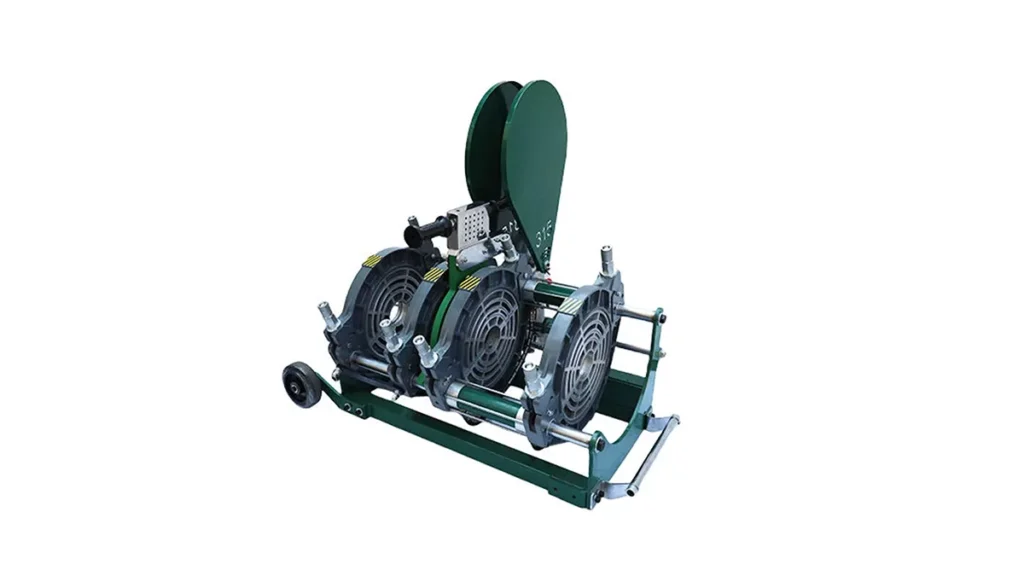
Cameroon’s expanding infrastructure projects — from urban water mains in Douala and Yaoundé to rural irrigation and gas distribution networks — demand durable, cost-effective welding solutions for polymer pipelines. HDPE welding equipment provides the reliability and field flexibility needed to build long-lasting pipeline systems in the region’s tropical climate and varied terrain.
Why HDPE Welding Is the Smart Choice for Cameroon
HDPE pipes resist corrosion, withstand heavy rainfall and aggressive soils, and are lightweight for transport across challenging road networks. For Cameroonian contractors, municipal utilities, and NGOs working on water and sanitation, HDPE offers low life-cycle costs and rapid installation — especially when paired with the right welding machines.
Common Applications Across Cameroon
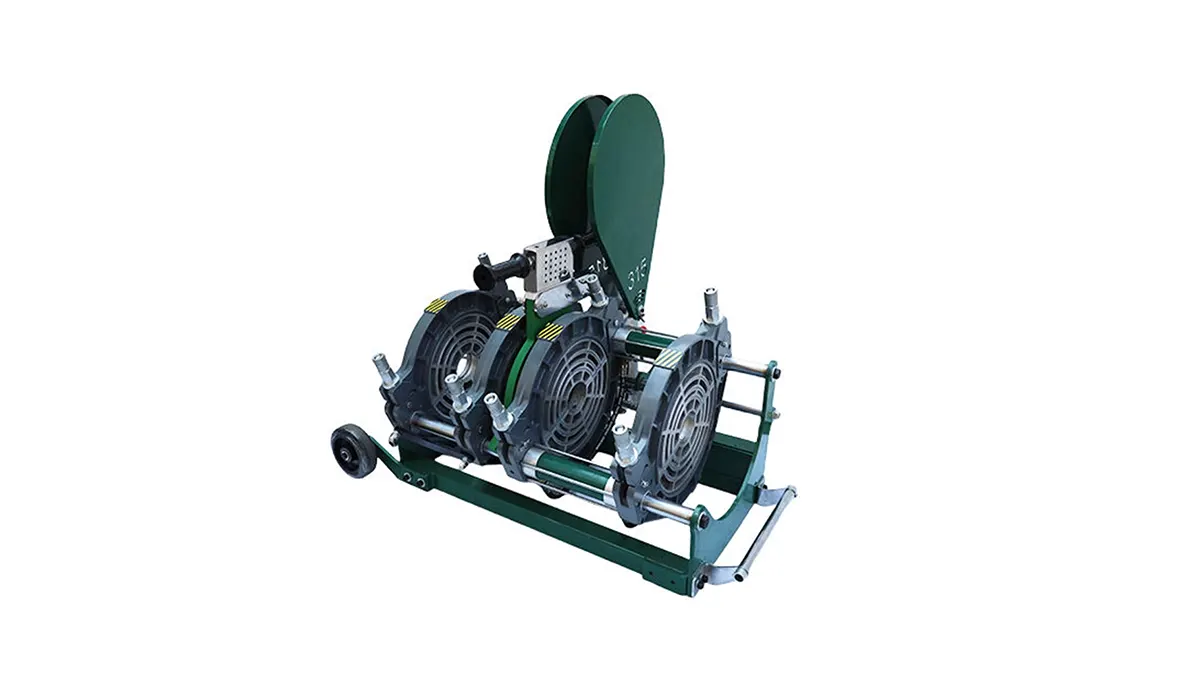
Water supply mains, rural drinking-water schemes, gas distribution, mining and industrial pipeline installations all benefit from HDPE butt fusion and electrofusion techniques. Local installers appreciate machines that are robust, simple to maintain, and adaptable to both small-diameter service lines and large-diameter trunk mains.
Types of Welding Machines for Local Needs
Choosing the right equipment depends on project scale and workforce skills. Below are three practical categories that match Cameroon’s project mix:
-
Manual/Portable Machines: Ideal for remote sites and small repairs.
-
Hydraulic Butt Fusion Units: Great for medium-to-large diameter pipes used in municipal and industrial projects.
-
Automatic/CNC Butt Fusion Systems: Best for high-volume production and precision-controlled welds on large-diameter pipelines.
Key Features to Look For
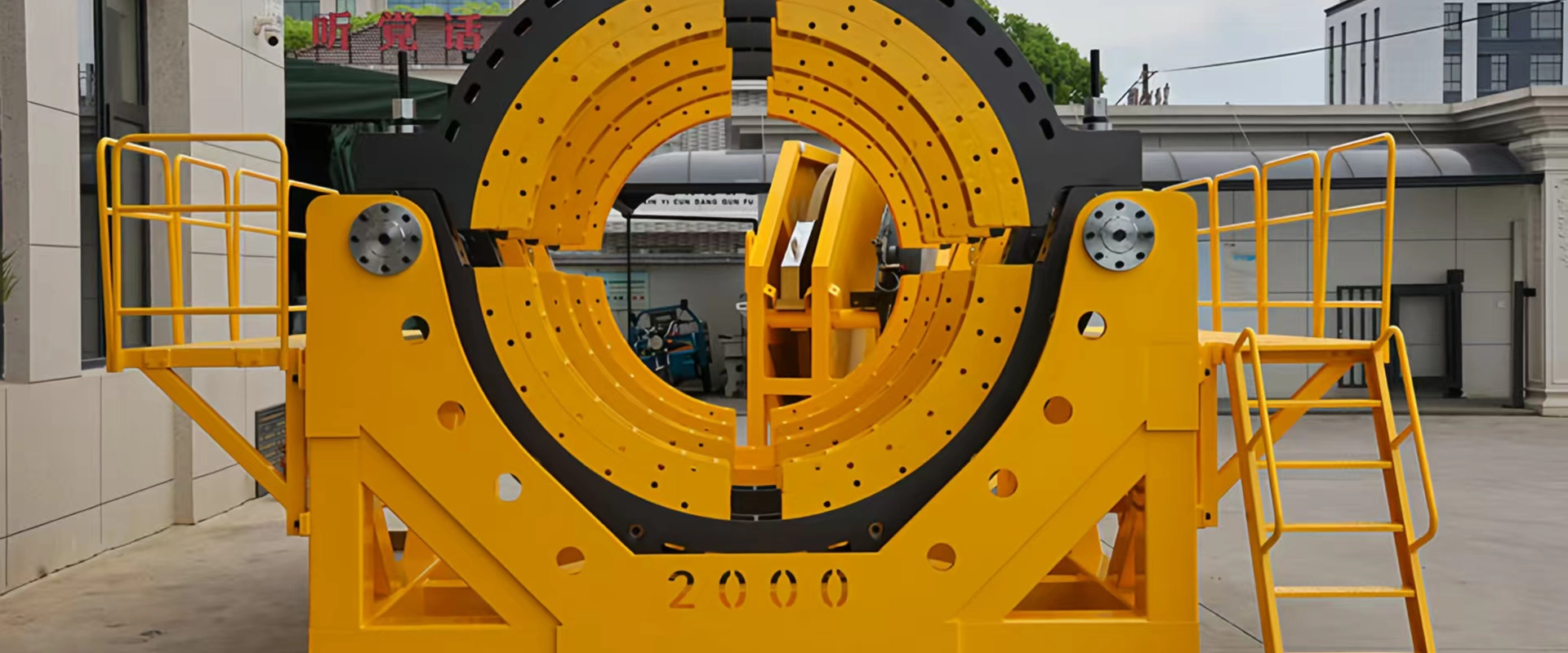
Durability, easy-to-service hydraulics, clear control panels for operators who may be bilingual (French/English), and compliance with international welding standards are essential. Machines with modular accessories — facing tools, heaters, clamps — reduce downtime and simplify field logistics across Cameroon’s regions.
Equipment Comparison
| Machine Type | Pipe Range | Best Use |
|---|---|---|
| Manual Butt Fusion | 16mm – 630mm | Repairs, rural projects, low-budget sites |
| Hydraulic Butt Fusion | 110mm – 2250mm | Municipal mains, industrial pipelines |
| Automatic/CNC Systems | 160mm – 1600mm+ | High-volume, precision welding |
Training, Support, and Local Considerations
Reliable after-sales support and operator training are critical in Cameroon, where many projects rely on locally hired teams. Machines that arrive with clear multilingual manuals, remote technical assistance, and spare parts availability will reduce delays. Consider tropicalization: sealed electrical parts, corrosion-resistant fasteners, and robust transport packaging help equipment survive harsh shipping and storage conditions.
Selecting a Supplier
When evaluating suppliers, insist on documented welding procedures, test records, and references from similar projects. For contractors and procurement teams in Cameroon, partnering with a manufacturer that provides a mix of manual, hydraulic, and automatic solutions ensures you can scale from small service repairs to major trunkline projects with consistent weld quality.
Where to Learn More
For global infrastructure projects and a wide range of butt fusion and electrofusion machines, visit JQ-Fusion to explore models, specifications, and support options tailored to African and Cameroonian pipeline needs.



