
Choosing the best butt fusion welding machine in Mozambique means balancing durability, portability, and welding precision to meet projects from urban water networks in Maputo to rural irrigation systems in Nampula. This guide helps contractors, utility engineers, and procurement managers pick the ideal HDPE butt fusion machine for local climates, supply constraints, and common pipe sizes used across Mozambique’s infrastructure projects.
Why Butt Fusion Matters for Mozambique
Butt fusion is the preferred method for joining HDPE pipes used in water supply, sewage, irrigation, and gas distribution. In Mozambique, projects often face high humidity, strong sun exposure, and remote job sites where reliable equipment and low-maintenance operation are essential. Reliable fusion welds reduce leaks, lower maintenance costs, and extend pipeline life — critical for expanding urban utilities and agricultural programs.
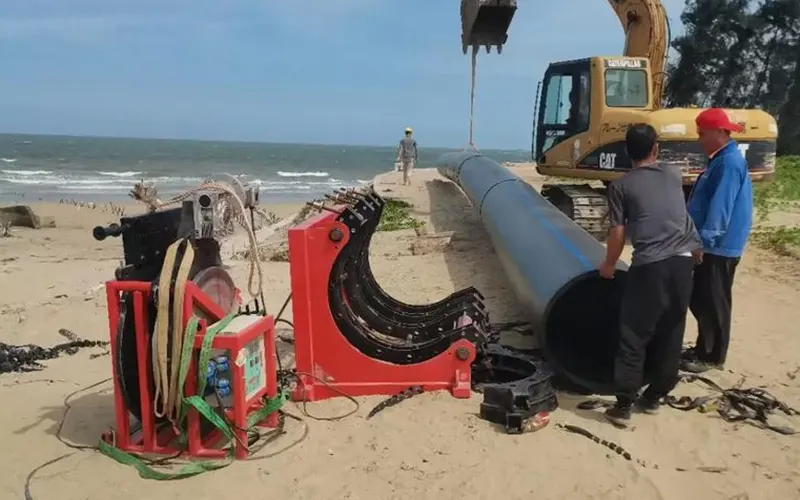
Main Types of Butt Fusion Machines
- Manual machines – lightweight, low-cost, ideal for small-diameter pipes and mobile crews in remote districts.
- Hydraulic machines – robust clamping and consistent pressure for medium to large diameter pipes used in municipal projects.
- Automatic / CNC machines – advanced control, logging, and repeatability for long runs and high-spec pipeline contracts.
Quick Comparison: Which Machine Fits Your Project?
| Machine Type | Best For | Key Advantages |
|---|---|---|
| Manual Butt Fusion | Small rural works, emergency repairs | Lightweight, low cost, easy to transport |
| Hydraulic Butt Fusion | Municipal pipelines, larger diameter runs | Stable pressure, high reliability under heavy use |
| Automatic / CNC Butt Fusion | Large projects, quality-sensitive contracts | Repeatable cycles, data logging, reduced operator error |
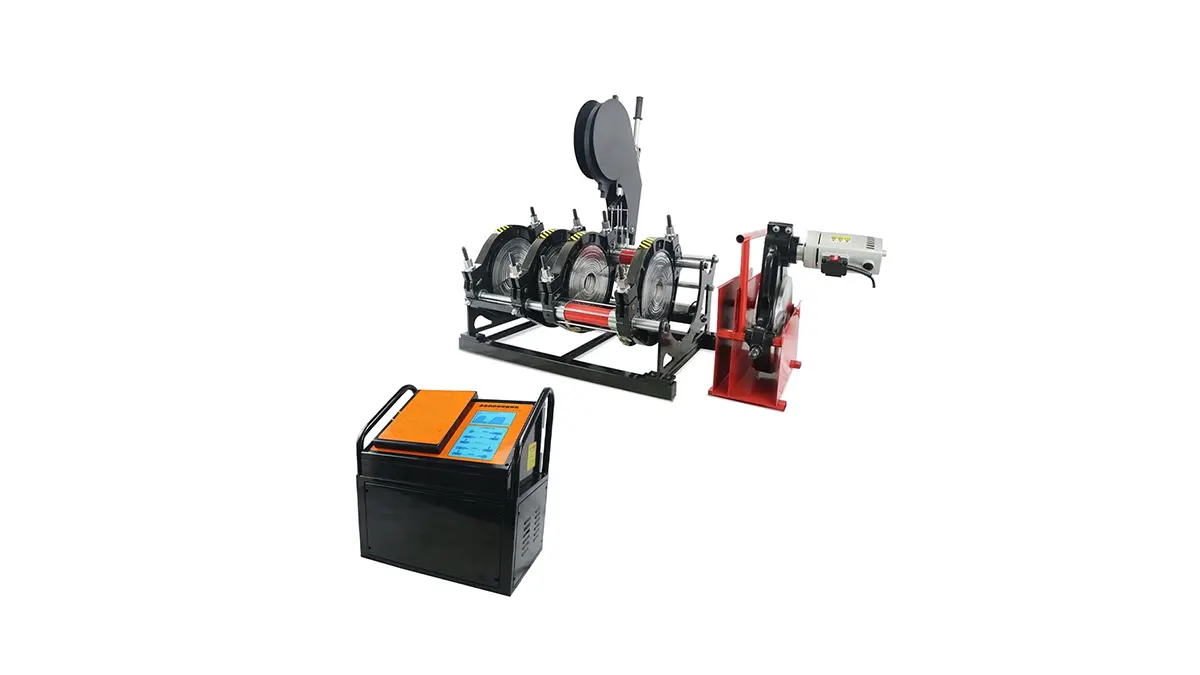
How to Choose the Best Butt Fusion Machine in Mozambique
- Project scale: Small community water lines: manual or small hydraulic. City distribution or major irrigation: hydraulic or automatic.
- Pipe diameter range: Confirm the machine covers common sizes (63mm–1600mm). Larger diameters require heavy-duty hydraulic frames.
- Portability vs. stability: Coastal and inland sites have different access. Lightweight units are easier for rural roads; heavy frames suit fixed urban sites.
- Power source and serviceability: Check local power availability and service networks. Choose equipment with simple maintenance and widely available spare parts.
- Documentation & certification: Look for clear welding parameter control, cycle logging, and compliance with international fusion standards.
Sizing Guide for Typical Mozambique Projects
– Rural water supply & irrigation: 63mm–315mm — Manual and compact hydraulic machines are common.
– Urban water and sewer trunk lines: 250mm–800mm — Mid-to-large hydraulic machines provide stable welding performance.
– Industrial, major transfer pipelines: 800mm+ — Heavy hydraulic or automated systems with controlled cycles are recommended.
Maintenance Tips for Mozambique Conditions
- Keep heating plates and facing tools free of dust and salt residue from coastal environments.
- Store machines in shaded, dry areas to avoid corrosion; simple anti-corrosion sprays help coastal longevity.
- Train local operators on proper cooling and hold times — correct cycle control is crucial for strong welds.
- Maintain a basic spare parts kit (heating plates, PTFE covers, seals) to minimize downtime on remote sites.
Recommended Models to Consider
For a wide range of applications, consider compact manual units for field repairs, medium hydraulic frames for municipal projects, and automatic machines for large-scale, high-accuracy pipeline installations. Models such as the JQST series (manual), JQH hydraulic range, and JQA automatic line cover most needs and diameters. Manufactured by JQ-Fusion, these machines are engineered for durability and export-ready logistics.
Final Buying Checklist
- Confirm diameter range and joint cycle control.
- Verify portability needs vs. frame strength.
- Ask about warranty, spare parts lead time to Mozambique, and local operator training options.
- Request welding cycle records and test welds for acceptance on large contracts.
Tip: For projects near Maputo, Beira or Nacala, arrange pre-shipment checks and clear logistics to avoid delays at ports and inland transport.



