
Latvia’s growing infrastructure, from municipal water upgrades to regional gas networks and agricultural drainage systems, demands high-quality HDPE welding equipment. Choosing the right HDPE welder maker ensures reliable joints in Baltic climates, smooth customs import to Riga, and long-term project success across urban and rural worksites.
Understand Local Needs: Why Latvia Is Different
Seasonal temperature swings, frost cycles and coastal humidity require machines that deliver consistent fusion quality. Contractors in Latvia also prioritize equipment that meets EU standards, supports on-site service, and ships quickly via Baltic ports.
Key Factors to Evaluate When Choosing a Manufacturer
1. Compliance & Certification: Look for CE, ISO and other applicable approvals to satisfy public tenders and utility requirements.
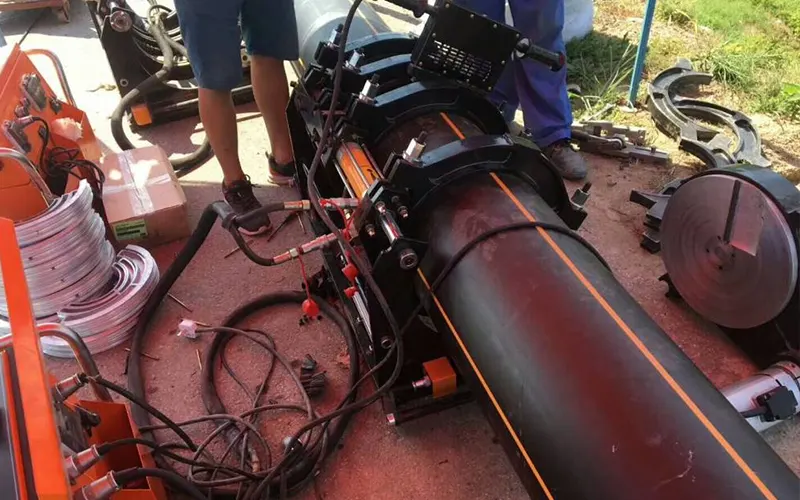
2. Product Range: Ensure the maker supplies manual, hydraulic and automatic (CNC) butt fusion machines for diameters used in Latvian projects—from household service lines to large-diameter mains.
3. After-sales & Spare Parts: Rapid access to spare parts, technical manuals in English (and preferably local-language support), and repair service is crucial for minimizing downtime.
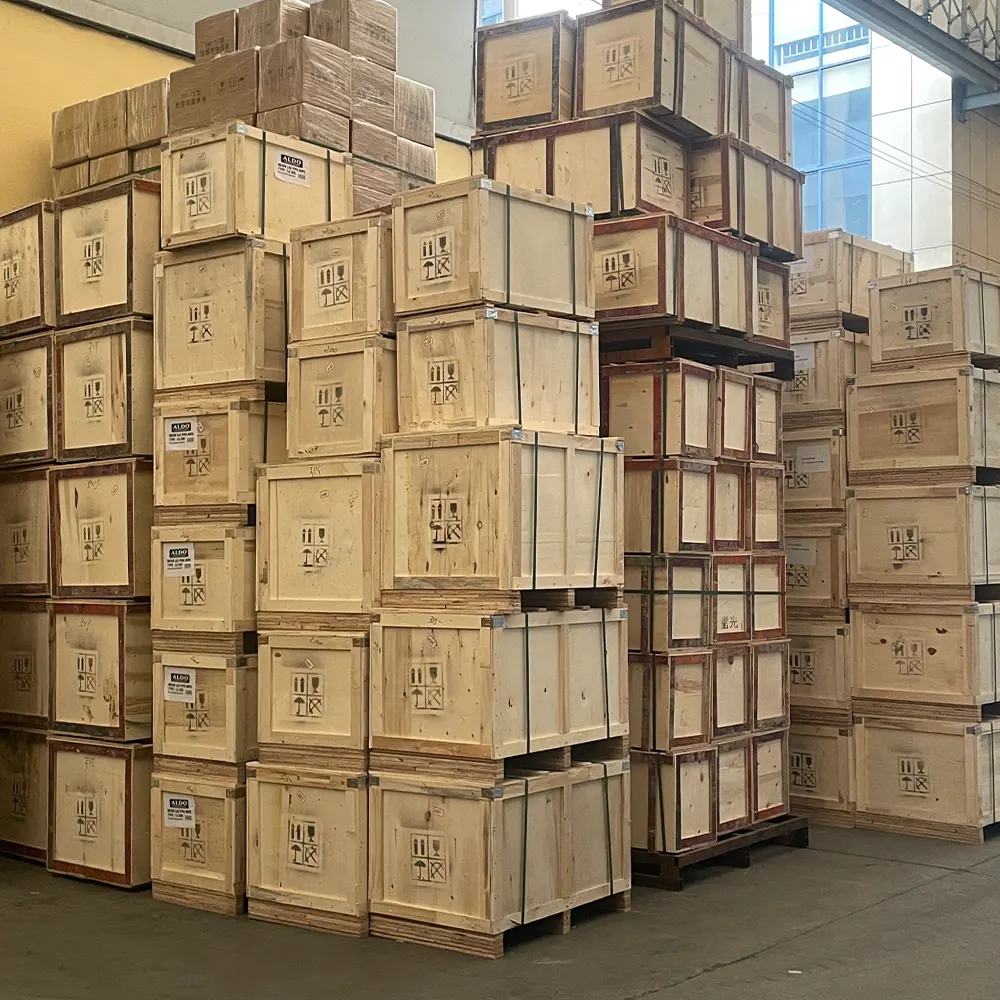
4. Delivery & Customs Experience: Choose suppliers experienced with Baltic shipping routes, Incoterms, and Latvian import clearance to avoid delays at Riga or Ventspils ports.
5. Training & Documentation: On-site or remote training for operators and weld records/traceability help meet municipal quality controls.
Quick Comparison: Manual vs Hydraulic vs Automatic
| Machine Type | Best For | Typical Advantages |
|---|---|---|
| Manual Butt Fusion | Small diameter repairs, rural works | Portable, low cost, easy maintenance |
| Hydraulic Butt Fusion | Medium to large mains, frequent site use | Higher force, stable pressure control, reliable for colder climates |
| Automatic / CNC | High-volume projects, precise weld logs | Data logging, repeatability, reduced operator error |
How to Find and Vet Suppliers Serving Latvia
Start with suppliers who list European distributors, provide clear warranty terms and offer CE paperwork. Ask for site references in the Baltic region and for sample weld data. Confirm lead times, packaging for sea freight, and whether they handle customs documentation or provide local partners for installation.
Practical Steps for Procurement
Request machine demonstrations (video or in-person), review maintenance manuals, and compare total cost of ownership—not just the purchase price. Factor in operator training, warranty coverage, and spare-part availability in Latvia and nearby EU hubs.
A Reliable Option for Buyers
For buyers seeking an experienced manufacturer with a broad HDPE butt fusion portfolio, consider contacting JQ-Fusion for technical details, product specifications and export support.
Next steps: compile project pipe sizes, required certification, and expected schedule—then request tailored quotes and test weld reports to make a confident selection for Latvia projects.



