
Electrofusion welding is a preferred method for joining HDPE and other thermoplastic pipes used in water, gas, and industrial networks across Germany. Choosing the right electrofusion welder manufacturer ensures durable joints, efficient installation, and compliance with strict local standards. This guide explains what German contractors, municipal utilities, and pipeline installers should look for when selecting reliable welding solutions.
Why Electrofusion Welders Matter for German Projects
Electrofusion welding delivers consistent, high-strength joints with minimal environmental impact — a priority for Germany’s infrastructure planners and utility companies. The method reduces excavation time and offers clean, leak-resistant connections that align with the country’s emphasis on long-term sustainability and safety.
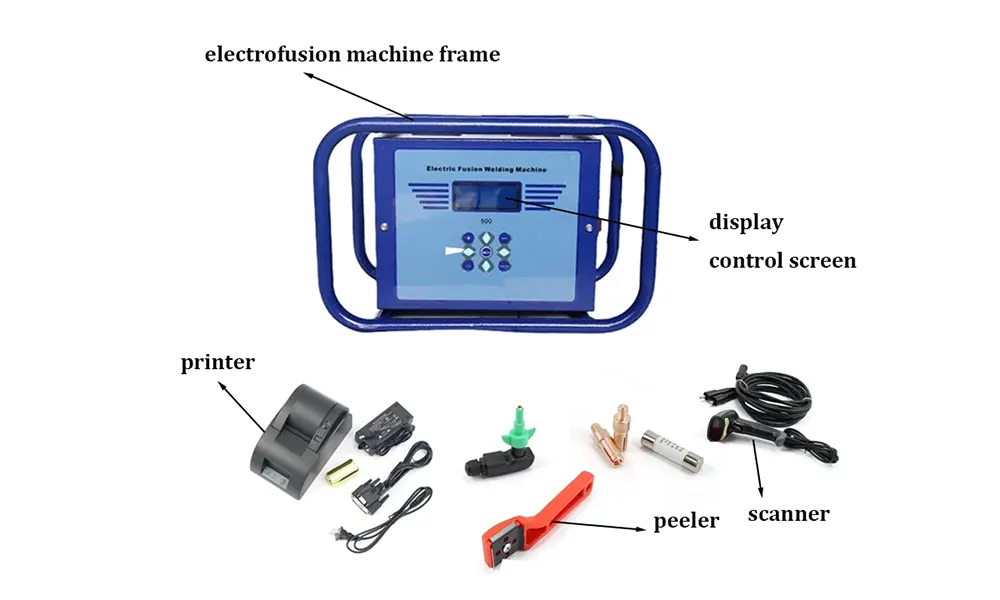
Key Benefits for Local Contractors
For installers working in urban and rural Germany, electrofusion welders provide:
– Repeatable quality for every joint, even in tight trenches.
– Faster installation compared to some mechanical joining systems.
– Reduced maintenance due to uniform fusion and material continuity.
Applications: From Municipal Water to Gas Networks
Electrofusion technology is widely used in applications that German engineers prioritize: potable water systems, gas distribution compliant with DVGW recommendations, industrial piping, and renewable energy installations such as biogas networks. Its adaptability makes it suitable for both small-diameter service lines and larger distribution mains.
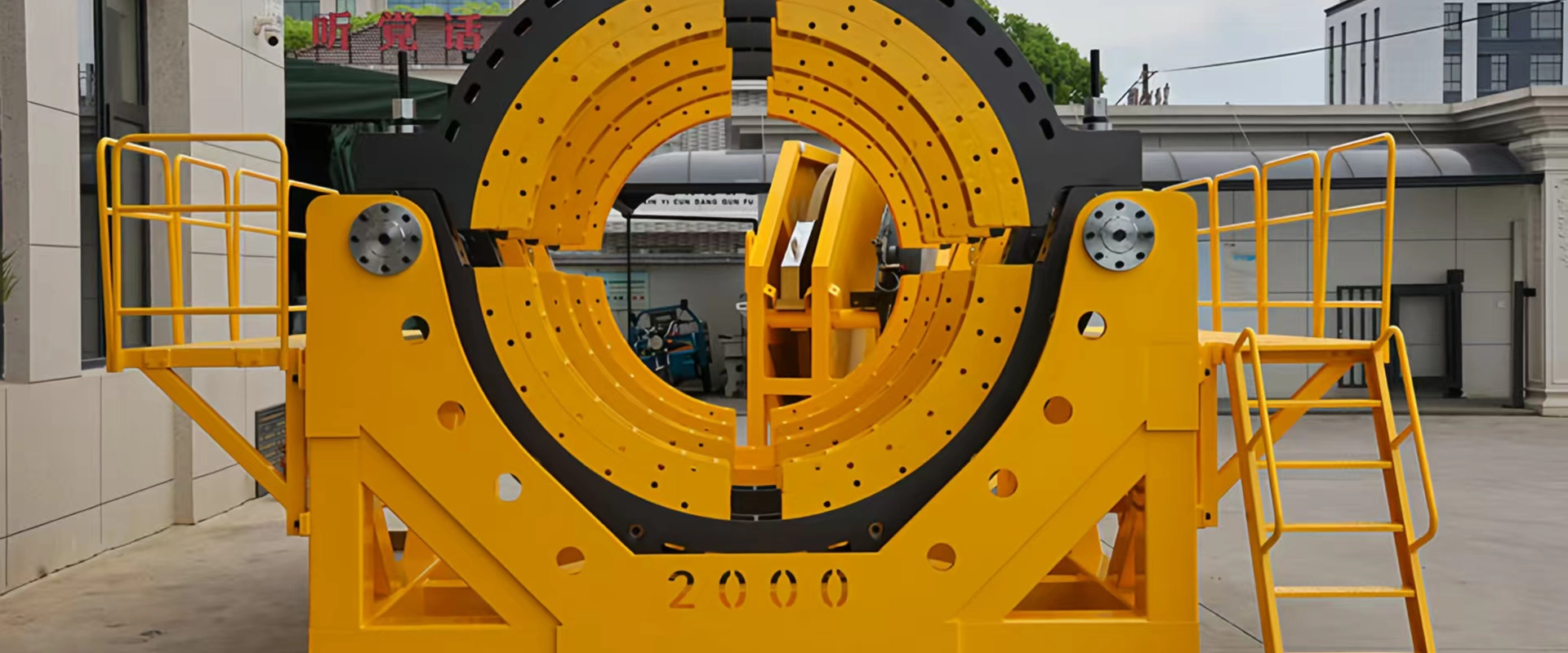
Essential Features to Evaluate
When selecting electrofusion welders for projects in Germany, consider:
– Precise current control and programmable heating cycles.
– Portable, robust design for on-site conditions and weather variations.
– Data logging for traceability and quality assurance during inspections.
Quick Comparison Table
| Feature | Why It Matters |
|---|---|
| Programmable Welding Profiles | Ensures consistent heat application for different pipe materials and diameters |
| Integrated Logger | Supports audits and compliance with regulatory checks |
| Rugged Housing | Withstands on-site handling and seasonal conditions across Germany |
Compliance and Standards in Germany
German pipeline projects often reference national and European standards such as DIN, DVGW guidelines, and EN/ISO norms for plastic piping systems. Ensure equipment supports traceable welding records and offers compatibility with approved electrofusion fittings. Proper certification and documentation streamline approvals with municipal authorities and utility operators.
Service, Training and Local Support
Long-term performance depends on correct operation and maintenance. Look for manufacturers that provide on-site or remote training, fast spare parts supply, and technical support tailored to European markets. JQ-Fusion offers a global portfolio of HDPE welding solutions designed for a variety of pipe sizes and project types — including manual, hydraulic, and CNC automatic butt fusion equipment — backed by experienced technical teams and flexible configurations. Visit https://jq-fusionwelding.com/ for product details and service options.
How to Choose the Right Machine
Match machine capabilities to your typical jobsite conditions: portable units for service connections, heavy-duty automatic welders for large-diameter mains, and multi-angle fitting machines for complex networks. Prioritize traceability, ease of use, and local compliance records to reduce downtime and pass inspections smoothly.
Final tip: Partner with suppliers that understand German regulations and offer clear documentation and training for welders — this delivers safer networks and predictable project outcomes.



