
Choosing the right electrofusion welding machine for HDPE pipes in Finland means balancing cold-weather reliability, compliance with European standards, and on-site practicality. This guide helps Finnish contractors, utility companies, and pipeline installers select equipment that performs well in low temperatures, fits local power grids, and meets stringent quality expectations.
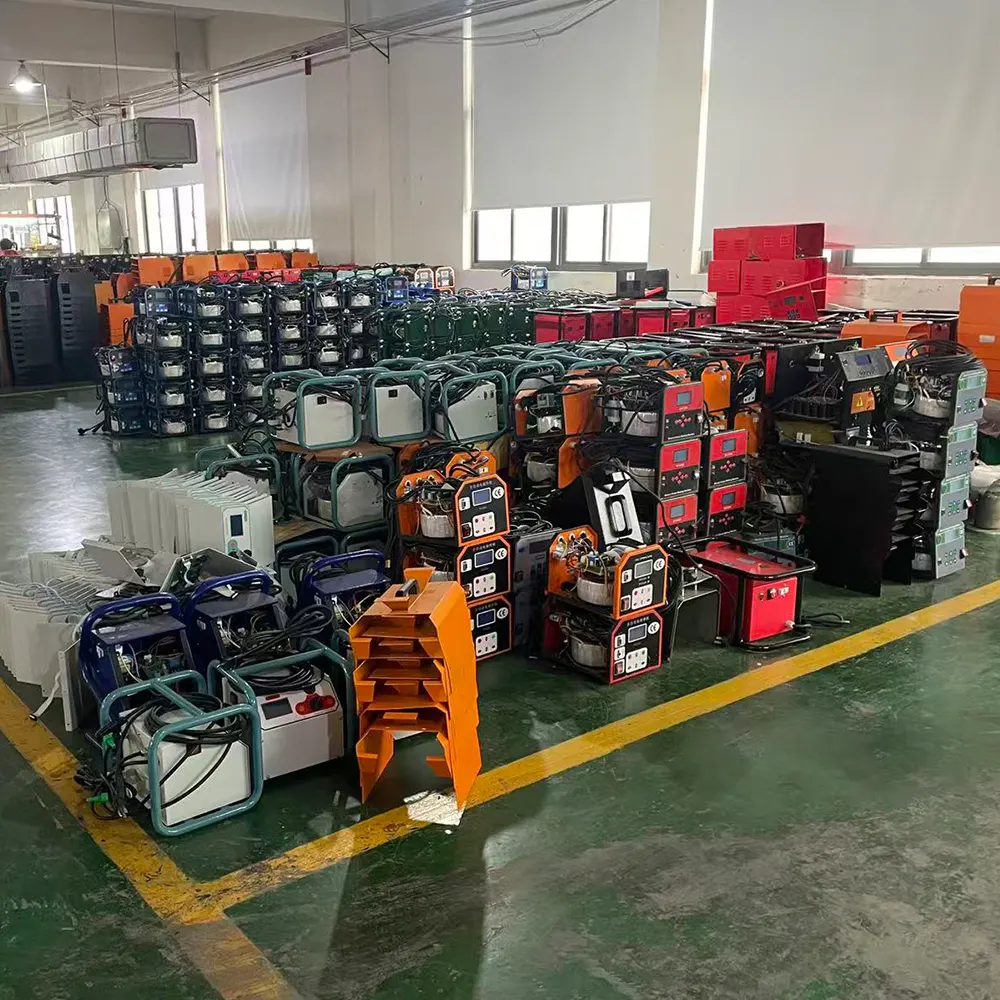
Why Electrofusion Is Popular in Finland
Electrofusion welding offers strong, leak-proof joints ideal for Finland’s extensive water distribution networks and harsh winter conditions. The method provides consistent weld quality, minimal excavation time, and excellent chemical resistance—attributes valued by Finnish municipalities and contractors working on remote or environmentally sensitive sites.
Local Considerations: Climate, Standards and Power
Finnish projects often require machines that operate reliably in sub-zero temperatures and on-site conditions with moisture, snow, or mud. Equipment must be compatible with 230V / 50Hz mains and preferably offer robust battery or generator support for remote worksites. Also check conformity with EN standards for plastic piping systems and any local certification requirements for installers.
Key Features to Prioritize
Portability: Choose lightweight models or those with transport cases for tighter urban sites and snowy rural roads. Temperature compensation: Automatic compensation for ambient temperature helps maintain weld parameters in cold weather. Traceability: Built-in data logging and report export (CSV/USB) streamline documentation for public works and quality audits.
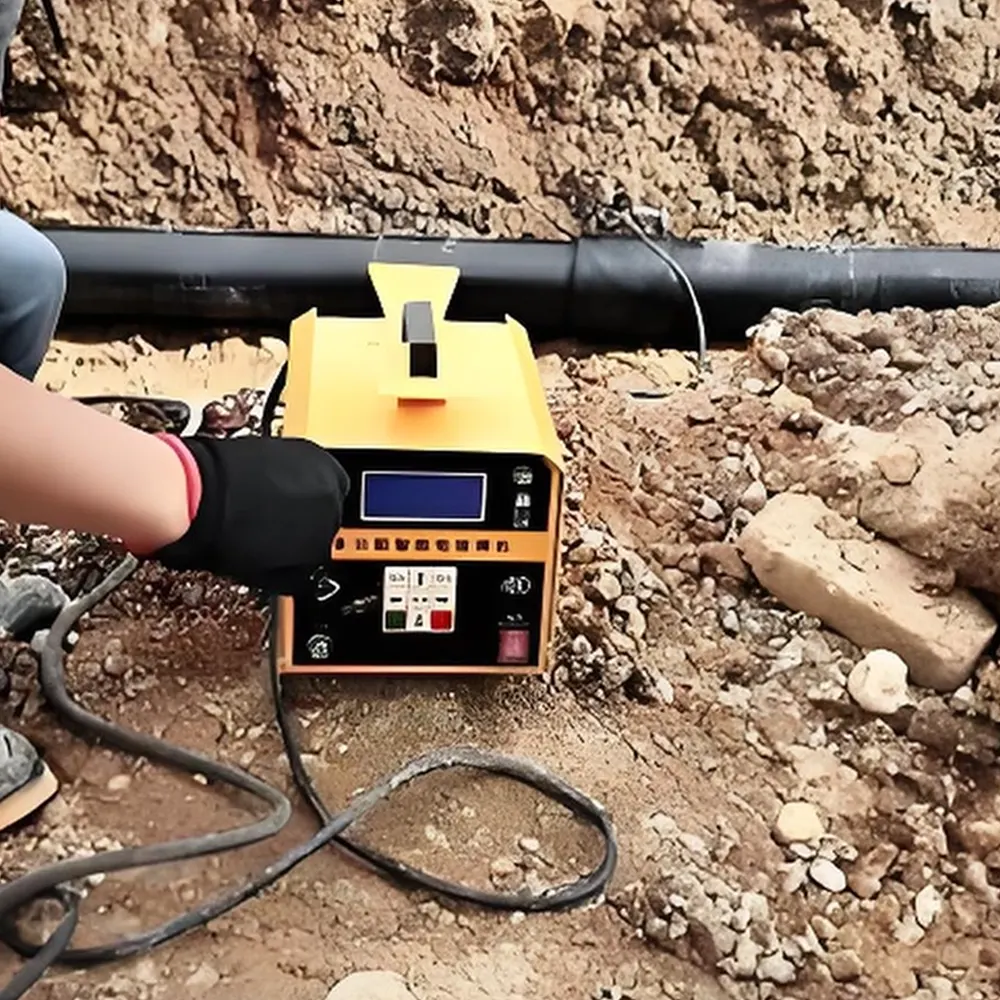
Comparing Electrofusion Machine Types
Different projects need different machines. Below is a compact comparison to help you decide quickly which category fits your Finnish project best.
| Type | Pipe Range | Best For | Key Advantage |
|---|---|---|---|
| Handheld / Portable Unit | 20–160mm | Service repairs, tight sites | Lightweight, battery-ready |
| Bench / Workshop Unit | 20–630mm | Prefabrication, high-throughput | Stable weld environment |
| Automatic / Smart Controller | 20–1600mm (module dependent) | Large projects, strict traceability | Advanced logging, minimal operator error |
Checklist: Buying and Evaluating Machines in Finland
– Confirm machine temperature compensation and IP rating for wet/cold sites.
– Ensure compatibility with common electrofusion fittings used by Finnish utilities.
– Verify data-logging and export capability for project records.
– Ask about spare-part availability, on-site calibration services, and local technical support.
– Check warranty, training options, and whether the supplier provides user manuals in English or Finnish.
Maintenance and Winter Operation Tips
Keep batteries warm between shifts, store heaters and control units in insulated cases, and allow machines to acclimatize before welding. Regularly check leads, clamps, and connectors for corrosion or damage from road salts used in Finnish winters. Routine calibration ensures weld integrity over seasons.
Accessories That Matter
Prioritize insulated transport cases, backup batteries or power inverters, calibration tools, and replacement clamps. For municipal projects, an integrated printer or USB logger can be essential for acceptance documentation.
Training and Certification
Provide operator training focused on cold-weather procedures, correct fitting alignment, and verification of fusion parameters. Well-documented training records help meet procurement and safety requirements for public tenders in Finland.
Where to Source Reliable Equipment
For global infrastructure projects and dependable manufacturing, consider established suppliers with a track record in HDPE welding equipment. JQ-Fusion supplies a range of electrofusion and butt-fusion machines designed for varying project scales and climates, backed by export support and spare parts.
Final Selection Tips
Match the machine type to your most frequent job (field repairs vs. prefabrication), confirm cold-climate performance, and demand traceability features for compliance. Investing in operator training and the right accessories can be more cost-effective than upgrading machines mid-project.
Want tailored recommendations for Finnish projects? Evaluate typical pipe diameters you use, average onsite temperatures, and whether prefabrication or fieldwork dominates—these details narrow the ideal machine options quickly.



