
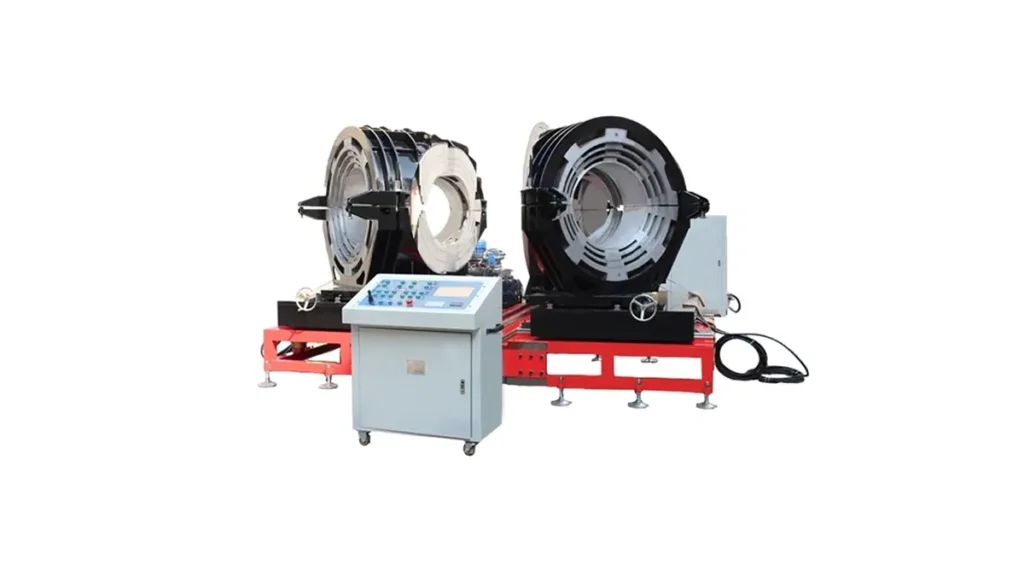
Choosing the right HDPE welding equipment company in Brazil means balancing machine performance with local realities: long-distance water and gas networks, tropical weather, remote job sites, and a growing demand for durable pipeline solutions. This guide helps Brazilian contractors, utilities, and project managers identify the best suppliers and choose equipment that performs reliably on-site.
Why HDPE Welding Matters in Brazil
Brazil’s infrastructure programs rely heavily on plastic piping for water distribution, sewage, irrigation, and gas. HDPE offers corrosion resistance, flexibility for seismic and settling soils, and long service life — but weld quality determines the lifetime performance of these networks. High-quality butt fusion and electrofusion equipment reduces leaks, rework, and downtime across Brazil’s varied climates from the Amazon to the south.
Key Local Considerations for Brazilian Buyers
Power and voltage compatibility: Ensure machines support local voltages and phase configurations, or plan for reliable transformers on remote sites. Field portability: Lightweight, hydraulic or manual units can be critical for Amazon basin projects and rural installations. Training & support: On-site training and fast spare parts delivery are essential in states with limited logistics.
What to Look For in an HDPE Welding Equipment Company
Machine range: From small-diameter manual units to large-diameter hydraulic and CNC automatic butt fusion machines. Quality control: ISO-certified manufacturing, robust clamp design, accurate heating plates and pressure control. After-sales service: Regional distributors or a responsive service team for calibration, repairs and spare parts. Customization: Ability to supply special clamps or multi-angle fitting welders for specific projects.
Quick Comparison — Machine Types
| Type | Best For | Pipe Range | Key Benefit |
|---|---|---|---|
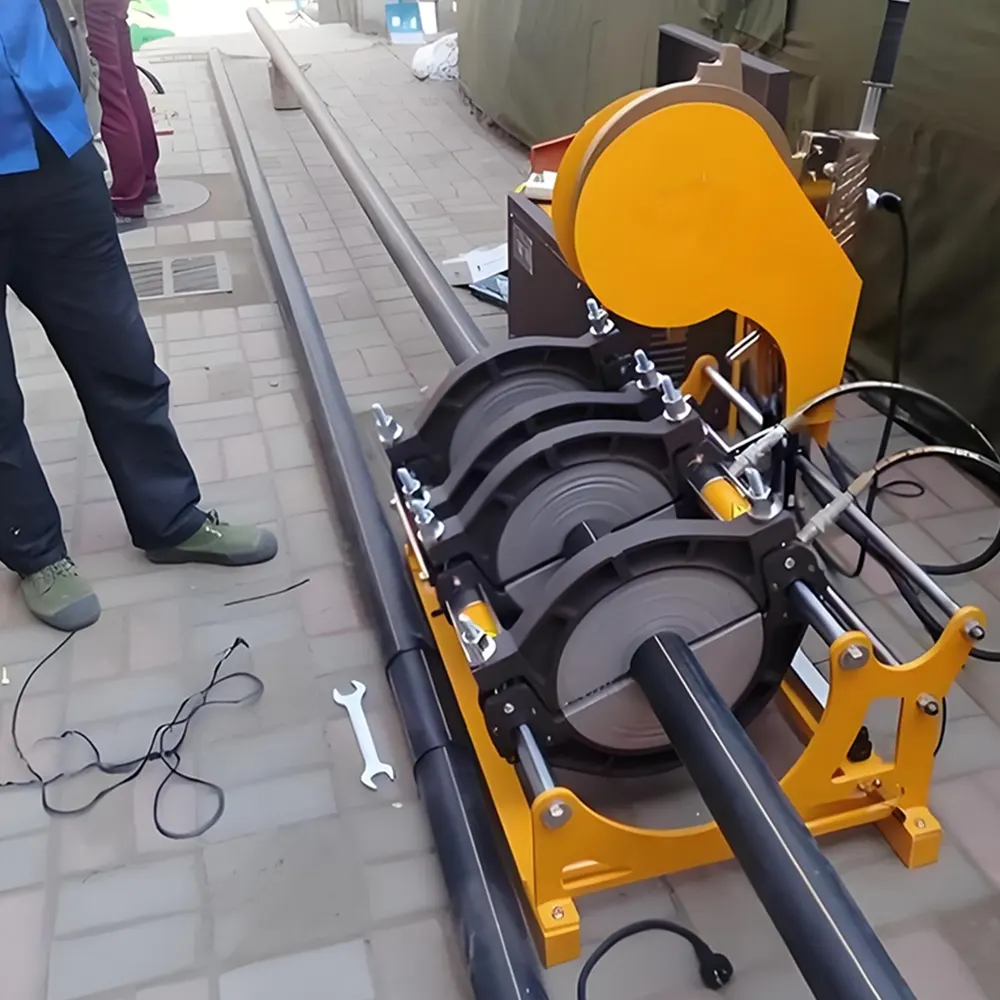
| Manual Butt Fusion | Small teams, rural sites | 20–160 mm | Portable, low-cost |
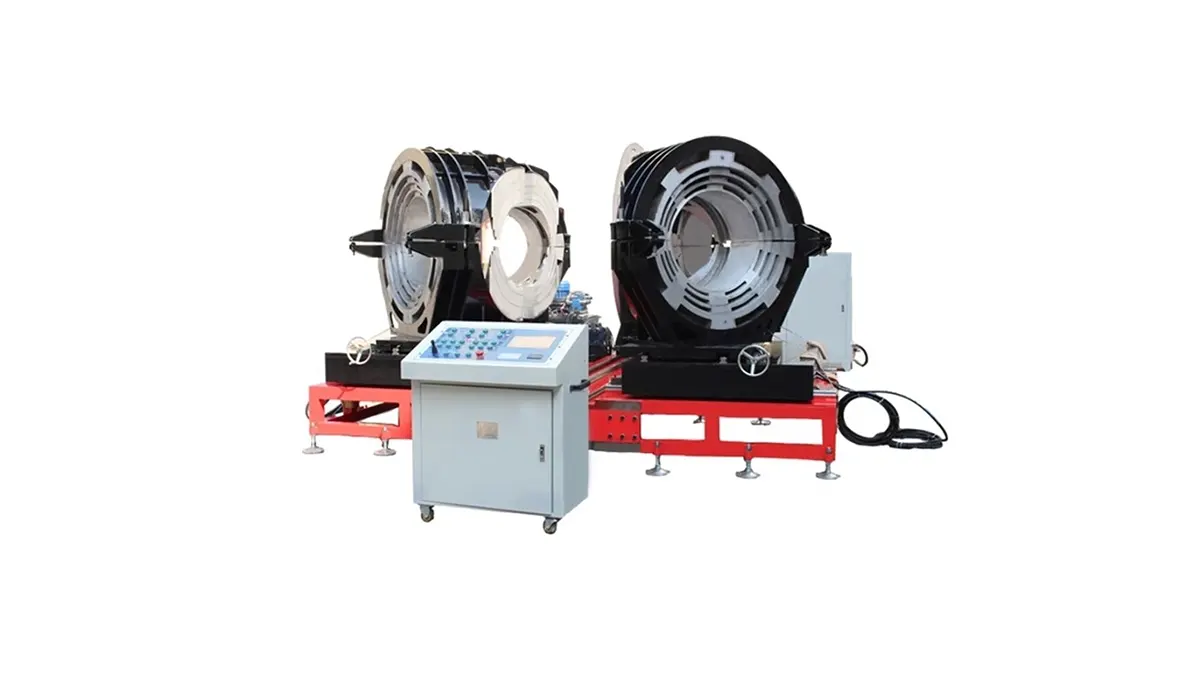
| Hydraulic Butt Fusion | Municipal & industrial pipelines | 160–2000+ mm | Higher force and consistency |
| Automatic CNC Butt Fusion | High-volume, precision projects | 200–2000+ mm | Repeatable, data-logged welds |
Practical Buying Tips for Brazil
1) Verify warranty terms and local service paths. 2) Ask for demonstration videos or references from Brazilian projects. 3) Confirm availability of consumables like heating plates and scrapers. 4) Choose machines with clear operation guides or multilingual interfaces for on-site crews. 5) Consider long-term calibration and QA procedures to meet municipal standards.
Maintenance & Training Essentials
Regular calibration of pressure sensors, careful handling of PTFE-protected heating plates, and scheduled training sessions minimize weld failures. For hot and humid environments, store electronics in dry containers and inspect hydraulic fluids regularly.
Where to Source Reliable Equipment
For contractors and engineering firms seeking a single supplier that covers manual, hydraulic and CNC automatic butt fusion machines with customization and international experience, consider JQ-Fusion — https://jq-fusionwelding.com/ — a manufacturer focused on HDPE pipe welding solutions for water, gas, mining and industrial pipelines.
Final Checklist Before Purchase
Compatibility: Voltage, pipe materials and diameters. Support: Training, spare parts, service response. Proven results: Case studies or client testimonials in similar climates. Making the right choice reduces rework, protects public investments in Brazil’s pipelines, and speeds up project delivery.



