
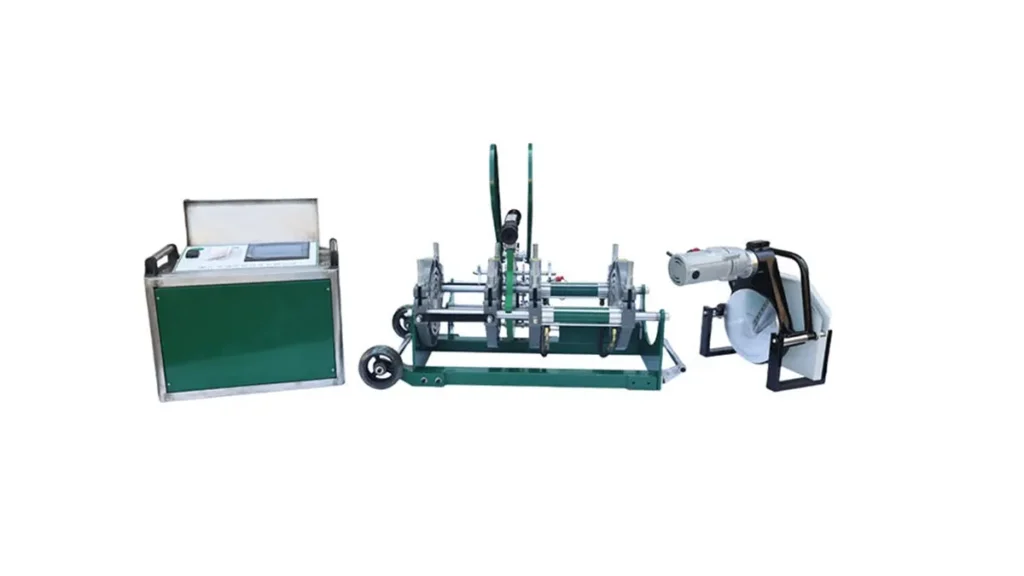
Looking for a reliable butt welding machine supplier in Palestine? This guide explains how modern butt fusion and HDPE pipe welding equipment support municipal utilities, contractors, and industrial projects across the West Bank and Gaza. Learn which machine types suit local conditions, what features matter for long-lasting pipeline joins, and how to select equipment that delivers consistent welding quality under varied site conditions.
Why Butt Fusion Machines Matter for Palestinian Infrastructure
Butt fusion welding is the preferred joining method for HDPE pipelines used in water distribution, irrigation, gas networks, and sewage systems. In Palestine, where aging networks and expanding development projects demand durable, leak-free solutions, choosing the right welding machine improves system uptime and reduces maintenance costs. Contractors working on municipal upgrades, NGOs implementing water access programs, and private developers all benefit from machines that are reliable, portable, and easy to operate in the field.
Types of Butt Welding Machines and Local Use Cases
Different site conditions in Palestine — from tight urban streets to remote agricultural areas — require different machine classes:
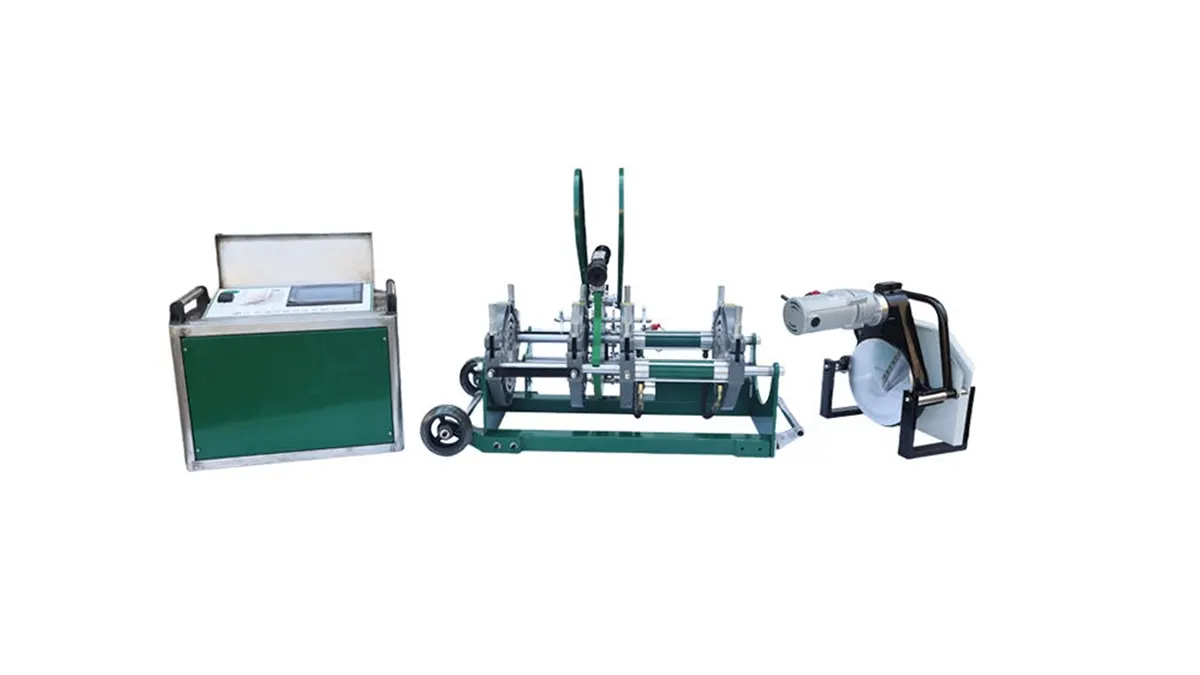
Manual Machines (Portable)
Best for small-diameter pipelines and repair work in hard-to-access locations. Lightweight units are ideal for municipal repair crews and field teams working in refugee camps or narrow alleyways.
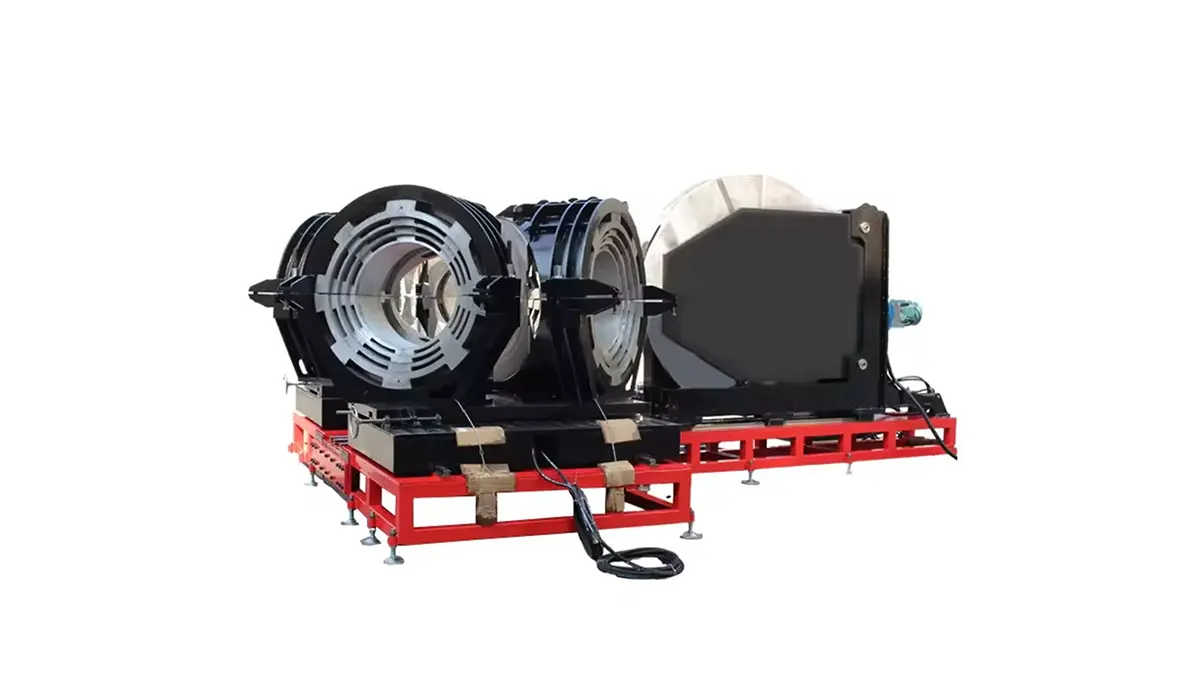
Hydraulic Machines
Provide robust clamping and higher force for medium to large-diameter pipes used in bulk-water lines and industrial projects. Well-suited for contractors handling regional water mains and irrigation networks.
Automatic / CNC Machines
Deliver precision, programmable weld cycles, and consistent results for high-volume pipeline fabrication and major utility projects. These are ideal for municipal works and contractors partnering with international aid programs that require documented weld traceability.
Key Specifications to Consider
When evaluating butt welding machines for projects in Palestine, pay attention to durability, portability, and compatibility with local materials and workforce skills. The following table highlights practical comparisons to guide procurement decisions.
| Model / Type | Pipe Range | Best For |
|---|---|---|
| Manual Portable Units | 20–160 mm | Field repairs, narrow access sites |
| Hydraulic Butt Fusion | 160–1400 mm | Municipal mains, agricultural irrigation |
| Automatic / CNC Machines | 63–1250 mm+ | Large projects, contractors requiring traceability |
Practical Tips for Palestinian Contractors and Utilities
To maximize reliability on site:
- Train staff on standard welding procedures and equipment maintenance to reduce rework and leaks.
- Keep a basic spare parts kit (heating plates, scrapers, hydraulic seals) to avoid downtime.
- Choose machines with clear documentation and optional digital logging when projects require reporting for donors or regulators.
Why Quality and After-Sales Matter
Environmental conditions and supply-chain constraints in Palestine make dependable after-sales support essential. Machines built with robust components and backed by responsive technical guidance minimize delays and extend service life. For reliable butt fusion equipment backed by industry experience and manufacturing capacity, consider solutions from JQ-Fusion.
Next Steps for Procurement
Assess your typical pipe diameters and site conditions, request weld cycle samples or on-site demonstrations where possible, and confirm spare parts availability. Well-chosen butt welding machines will deliver leak-free joins and support the long-term resilience of Palestine’s water and utility networks.



