
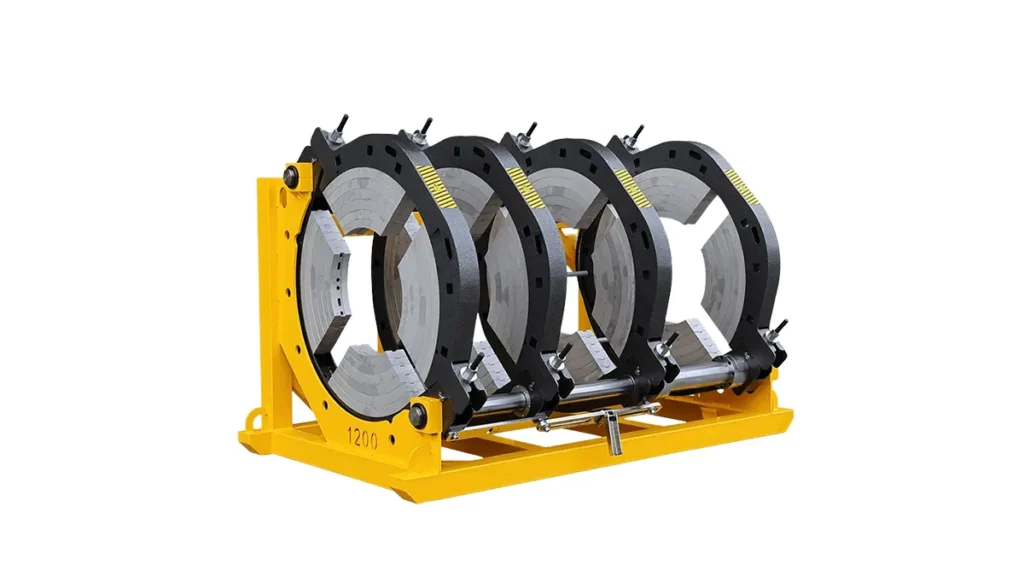
Finding reliable HDPE welding equipment in Nigeria is essential for contractors, municipal works teams, and agricultural project managers who need durable solutions for pipe installation and repair. This guide explains the welding options, practical benefits, and how to choose machines that match Nigerian infrastructure needs.
Why HDPE Pipes and Fusion Welding Matter in Nigeria
HDPE pipes are corrosion-resistant, flexible, and ideal for Nigeria’s varied climates—from humid coastal zones to arid northern regions. Fusion welding methods produce leak-free joints that reduce maintenance costs and support long-term water distribution, gas piping, and irrigation systems across urban and rural settings.
Common Nigerian Applications
Urban water supply: Reliable fusion joints reduce non-revenue water in cities like Lagos and Abuja.
Rural irrigation: Lightweight HDPE systems are easy to transport and install for smallholder farms.
Gas distribution & mining: Robust machines handle pressure-rated pipes for energy and industrial projects.
Types of HDPE Welding Equipment Available
Manual Butt Fusion Machines
Cost-effective and portable, manual machines are common for small-diameter pipelines and on-site repairs in remote areas. They require skilled operators but are easy to maintain.
Hydraulic Butt Fusion Machines
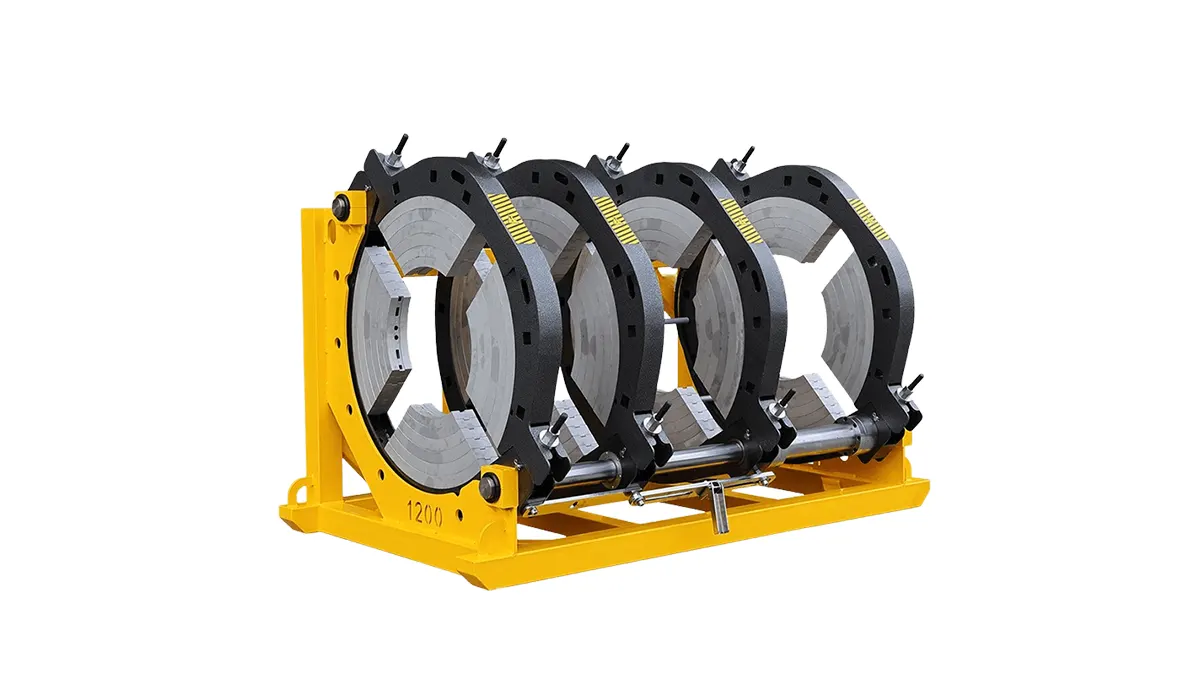
Hydraulic units deliver higher clamping force and stability for medium to large pipes used in municipal projects and industrial pipelines. Ideal for contractors handling frequent, heavier workloads.
Automatic / CNC Butt Fusion Machines
Automatic systems provide precise control, traceable weld records, and increased productivity—perfect for large-scale infrastructure projects where consistency and documentation matter.
Electrofusion Units
Electrofusion is widely used for fittings and complex jointing tasks. Portable electrofusion machines support quick, reliable installation for gas and water networks in built-up environments.
Selecting the Right Machine for Nigerian Conditions
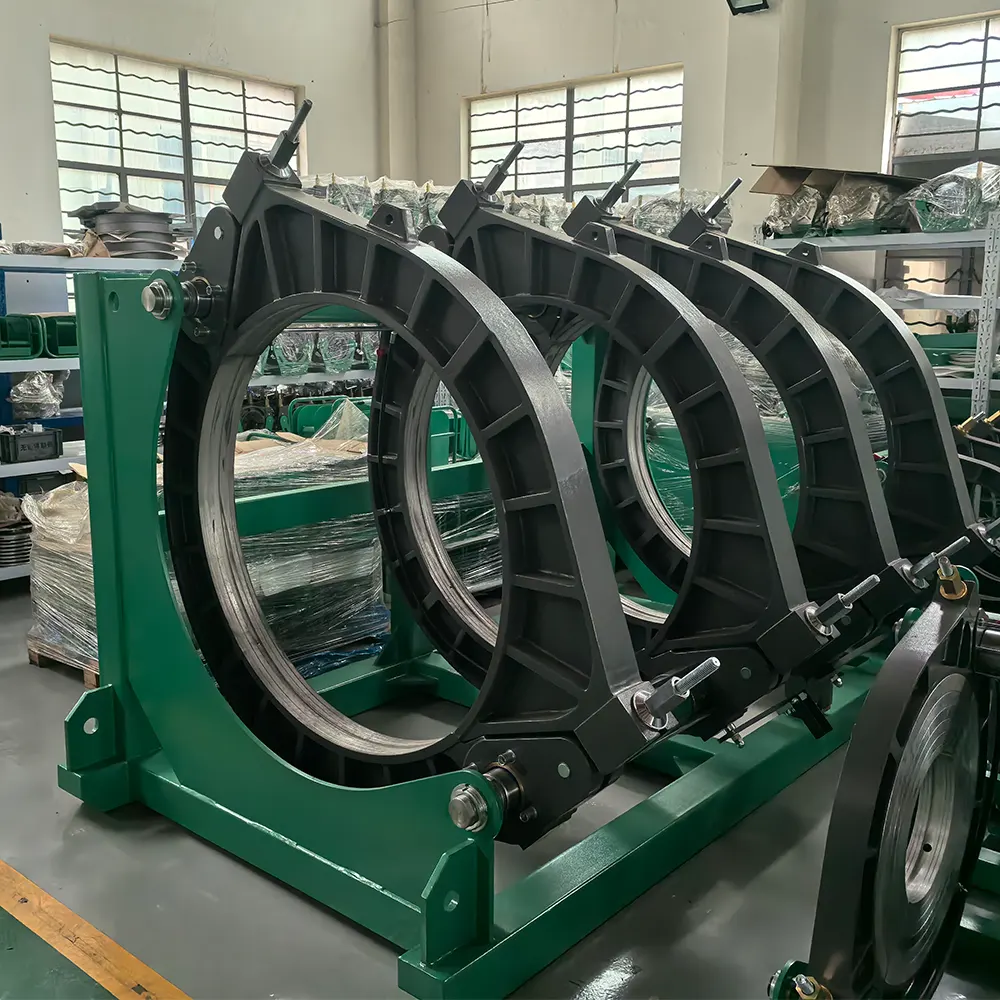
Consider pipe diameter range, site accessibility, power availability, and operator experience. For remote installations choose portable manual or electrofusion units; for municipal projects select hydraulic or automatic machines to increase throughput.
Quick Comparison
| Machine Type | Pipe Range | Key Strengths | Best For |
|---|---|---|---|
| Manual Butt Fusion | 20mm–630mm | Portable, low cost | Remote repairs, small projects |
| Hydraulic Butt Fusion | 63mm–2000mm+ | High clamping force, stability | Municipal & industrial pipelines |
| Automatic / CNC | 90mm–1600mm+ | Precision, traceability | Large infrastructure projects |
| Electrofusion | 20mm–400mm (fittings) | Quick joints, simple setup | Gas networks, complex fittings |
Maintenance, Training and Local Support
Regular calibration of heating plates, proper clamp maintenance, and operator training are crucial. In Nigeria, partnering with suppliers who offer spare parts and remote technical support reduces downtime and keeps projects on schedule.
Practical Tips for Nigerian Projects
Prepare for hot, dusty conditions by protecting control units and keeping heating plates clean. For sites with unreliable power, choose machines with battery support or portable generators. Ensure weld documentation for public projects to meet local regulatory requirements.
Trusted Manufacturer Information
JQ-Fusion is a professional manufacturer specializing in HDPE pipe welding machines, offering manual, hydraulic, and CNC automatic butt fusion solutions for a wide range of pipe sizes. Visit https://jq-fusionwelding.com/ for product details and inquiries.
Next Steps
If your project in Nigeria requires leak-proof, long-lasting HDPE pipeline solutions, evaluate machine type by pipe size and site constraints, secure operator training, and confirm supplier support for parts and service. Choosing the right fusion equipment ensures efficient installation and fewer repairs over the pipeline’s lifetime.



