
Finding a reliable fusion welding machine supplier in Australia means choosing equipment that performs in long-distance projects, remote mining sites, municipal water networks, and agricultural irrigation systems. This guide explains how to evaluate butt fusion welding machines, compares popular machine types, and highlights practical considerations for Australian contractors, councils, and pipeline installers.
Why choose the right HDPE fusion welding machine?
Durability and consistency are essential when working across Australia’s diverse environments — from coastal salt air to arid inland worksites. A well-chosen fusion welding machine reduces rework, minimises leaks, and speeds up installations on long pipeline runs.
Key advantages for Australian projects
Australian contractors and utilities benefit from machines that offer rugged build quality, easy transport to remote sites, and compatibility with local standards and inspection protocols. Look for equipment that supports both on-site manual operations and automated sequences for high-volume work.
Common applications
Butt fusion machines and electrofusion units are widely used for:
-
Water supply and sewerage networks
-
Gas distribution and reticulation
-
Mining and slurry pipelines
-
Agricultural irrigation and rural infrastructure
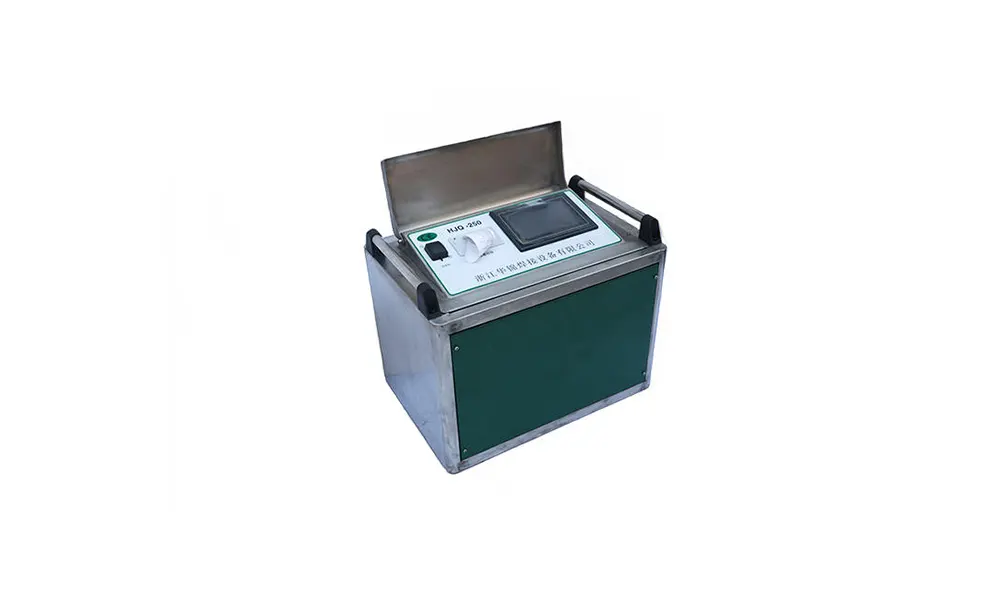
Machine types at a glance
Understanding differences between manual, hydraulic and CNC automatic machines helps you choose equipment that balances cost, speed and precision for your Australian site conditions.
| Machine Type | Typical Pipe Range | Best For |
|---|---|---|
| Manual Butt Fusion | 20mm – 400mm | Small crews, rural repairs |
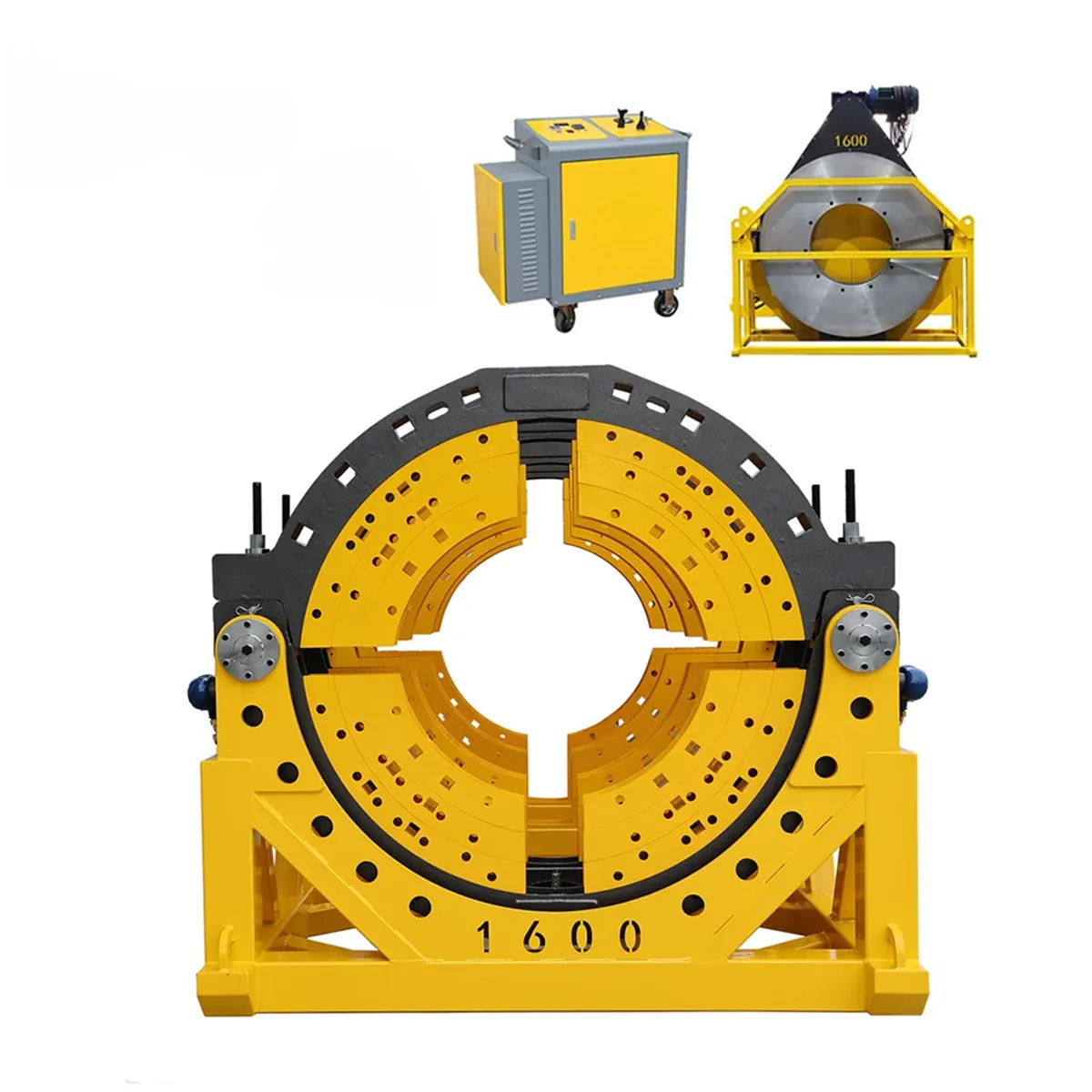
| Hydraulic Butt Fusion | 160mm – 2250mm | Large diameter mains, mining |
| CNC Automatic Butt Fusion | 63mm – 1250mm+ | High-volume, precision-controlled pipelines |
| Electrofusion Units | Couplers/Flanges to small diameter PE fittings | Repairs, fitting connections |
Buying considerations for Australian buyers
Portability and transport: remote and regional projects require machines that are easy to move and set up. Choose frames and clamp systems that are robust yet manageable for field crews. Spare parts availability and after-sales support across Australian time zones can cut downtime — confirm parts lead times before purchase.
Quality, testing and compliance
Look for machines that enable traceable weld records and integrate digital controls for repeatable heating, alignment and cooling cycles. This is particularly important for projects governed by Australian state regulations and industry best practice for potable water and gas installations.
Maintenance tips
Regular calibration of heating plates, timely replacement of trimming blades, and keeping hydraulic systems clean will extend machine life. Train operators on site-specific procedures and maintain a small common spare parts kit for fast turnarounds in remote locations.
How to choose the right supplier
Select suppliers who provide clear product documentation, localised advice for Australian conditions, and options for tailored configurations. Consider machine range, warranty terms, and whether training or commissioning is included. Reliable suppliers will help integrate equipment into existing fleet operations and ensure compliance with regulatory expectations.
For customers seeking proven butt fusion solutions, JQ-Fusion manufactures a wide range of manual, hydraulic, and CNC automatic welding machines suitable for Australia’s infrastructure and industrial projects.
Next steps
Evaluate your project scale, expected daily weld throughput, and site access constraints. Request technical datasheets and site references, and arrange a demonstration where possible. A careful selection now saves significant time and cost during construction and maintenance phases.



