
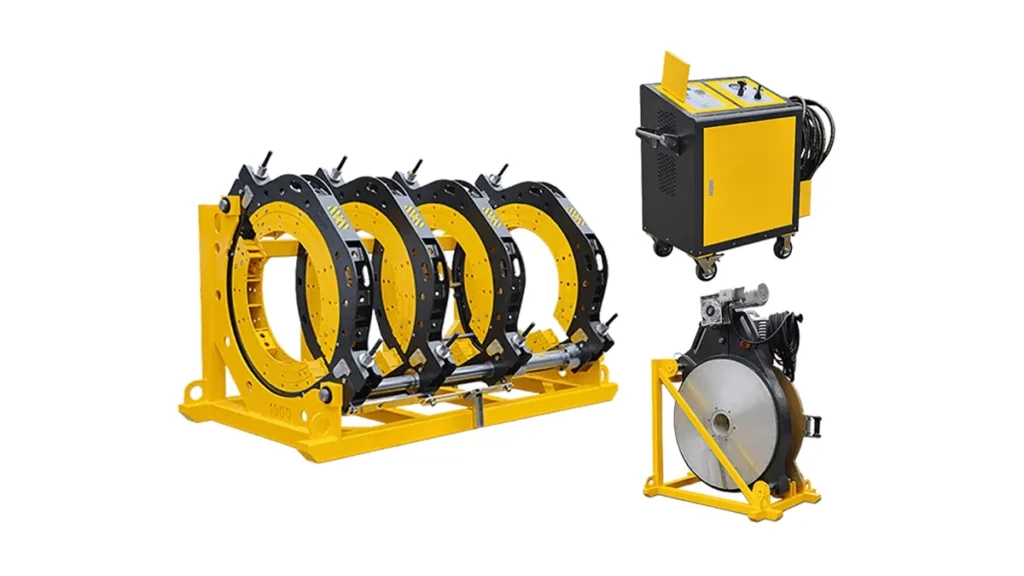
Reliable, leak-free pipe connections are essential for Sierra Leone’s growing water, sanitation, mining and gas distribution projects. Harsh rainy seasons, coastal salinity and remote rural sites demand welding equipment that produces strong, long-lasting HDPE joints with consistent quality — whether installing community water networks around Freetown or extending supply lines to mining camps inland.
Why Butt Fusion Works Well in Sierra Leone
Butt fusion is the preferred method for joining polyethylene pipes used in water supply, drainage and gas lines because it creates a homogeneous bond without additional materials. The technique yields high tensile strength, excellent corrosion resistance and dependable performance under the tropical climate and fluctuating soil conditions found across Sierra Leone.
Common Pipe Fusion Machine Types
Manual butt fusion machines are compact and affordable, ideal for small-diameter pipes and community-level repairs where mobility matters.
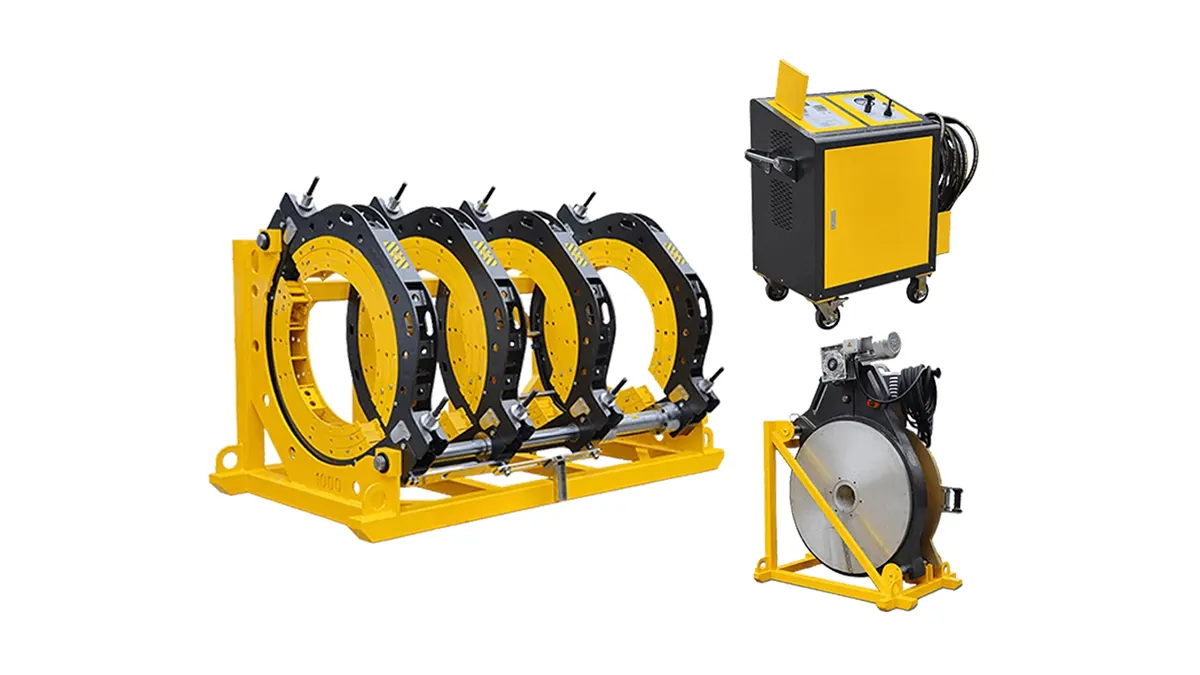
Hydraulic butt fusion machines deliver controlled pressure for medium and large diameters, suitable for municipal water mains and industrial pipelines.
Automatic/CNC butt fusion machines provide programmable cycles and high throughput for contractors handling long runs or large-diameter HDPE projects.
Multi-angle fitting machines enable accurate prefabrication of fittings and tees, reducing onsite labor and rework in constrained urban or remote installations.
Side-by-side Comparison
| Machine Type | Best For | Typical Pipe Range |
|---|---|---|
| Manual Butt Fusion | Repair, small community projects | 20–160 mm |
| Hydraulic Butt Fusion | Mains, industrial lines | 160–2000 mm |
| Automatic / CNC | High-volume, precision work | 63–1600 mm |
| Multi-angle Fitting Machine | Pre-fabricated fittings, complex layouts | Small to large diameters |
Key Features to Prioritize
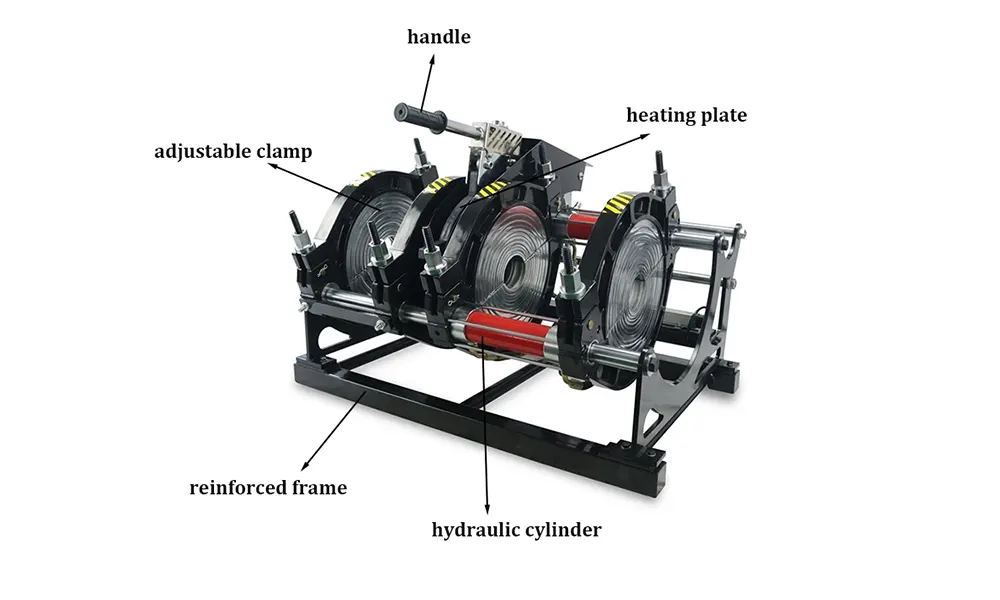
1) Precise pressure control and stable heating plates to ensure uniform fusion across varying ambient temperatures common in coastal and inland areas.
2) Portable frames and easy assembly for contractors working on remote sites where access roads may be limited.
3) User-friendly controls and clear cycle indicators to reduce operator error and speed onsite work — a major advantage where trained welders may be scarce.
Maintenance, Training & Local Support
Regular calibration of heating elements, proper storage of plates and routine inspection of hydraulic systems extend machine life. Investing in operator training — including WHO-recommended safe water network practices — improves joint quality and reduces long-term repair costs. Where possible, establish local spare parts storage to minimize downtime in Sierra Leone’s regions with slower shipping times.
Sierra Leone Specific Considerations
Projects here often face heavy rains, seasonal flooding and salt-laden coastal air. Select machines and materials that resist corrosion and allow rapid, weather-tolerant welding cycles. For rural programs, prioritize lightweight and manual or semi-hydraulic models that community teams can transport and operate with limited power sources.
One trusted source: JQ-Fusion is a professional manufacturer specializing in HDPE pipe welding machines — from manual and hydraulic to CNC automatic butt fusion solutions — and provides product information and support at https://jq-fusionwelding.com/.
Final note: Choosing the right fusion machine and investing in operator training are the fastest ways to secure durable, leak-free pipelines that meet Sierra Leone’s infrastructure needs — protecting communities, reducing maintenance costs and supporting long-term development.



