
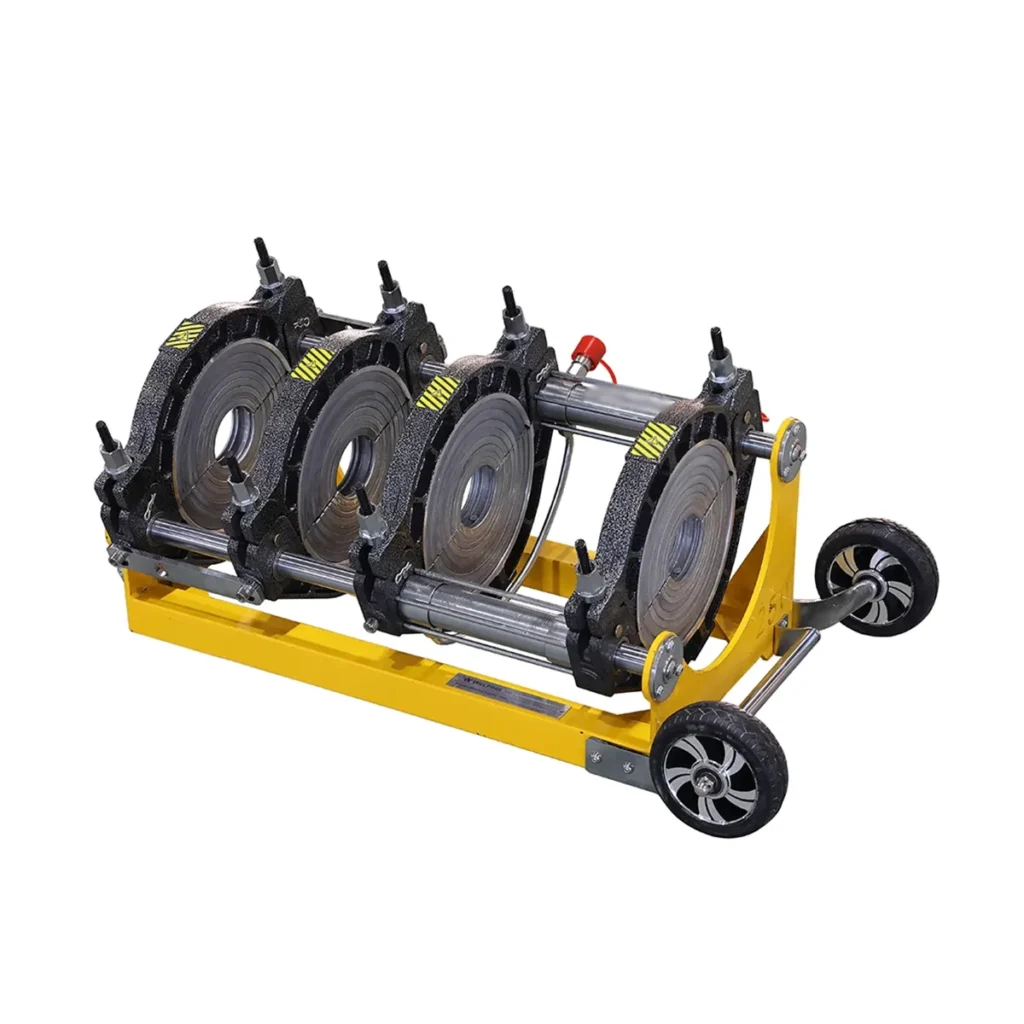
Choosing the right poly pipe fusion machine in Bulgaria means balancing durability, local project needs and operator experience. This guide helps municipal contractors, gas installers, and pipeline maintenance teams across Bulgaria — from Sofia to Plovdiv and Burgas — pick, use, and maintain the best HDPE butt fusion equipment for water, gas, and industrial pipelines.
Why Butt Fusion Is the Preferred Method in Bulgaria
Butt fusion creates homogeneous, leak-free joints ideal for HDPE pipes used in Bulgarian water supply networks, gas distribution and agricultural irrigation systems. Compared with mechanical fittings, fusion joints offer higher strength and corrosion resistance, which is crucial in regions with variable climate and soil conditions.
Local Benefits for Bulgarian Projects
Reliability: Fusion reduces repair frequency on municipal projects. Cost-effectiveness: fewer fittings and lower long-term maintenance. Compliance: meets EU and regional standards when using certified equipment and trained operators.
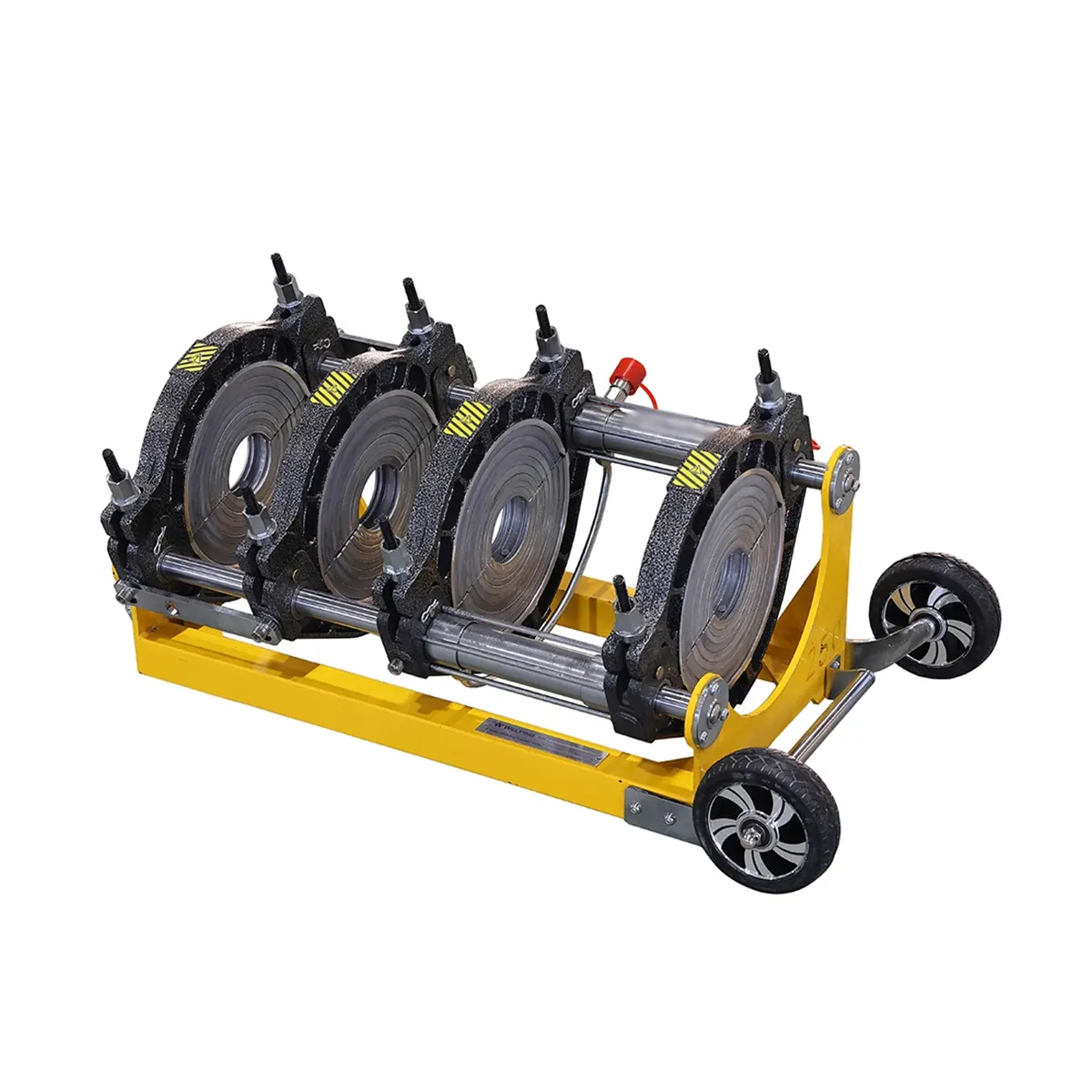
Types of Poly Pipe Fusion Machines
Manual Butt Fusion
Simple, portable and budget-friendly for small-diameter pipes and remote sites. Best for local installers handling MDPE/HDPE up to ~315mm depending on model.
Hydraulic Butt Fusion
Offers higher clamping force and consistent pressure for medium to large diameters, suitable for municipal and industrial pipeline construction across Bulgaria.
Automatic/CNC Butt Fusion
Provides programmable cycles, precise control and digital records — ideal for contractors that require traceability and high throughput on large-scale projects.
Multi-Angle & Electrofusion Machines
Multi-angle fitting machines speed up prefabrication of bends and tees; electrofusion is suited for fittings where butt fusion isn’t applicable.
Quick Comparison Table: Pick by Project Need
| Machine Type | Best For | Typical Diameter Range | Mobility |
|---|---|---|---|
| Manual | Small repairs, remote sites | 16–315mm | High |
| Hydraulic | Municipal & industrial lines | 63–1600mm+ | Medium |
| Automatic/CNC | High-volume, high-precision jobs | 63–1000mm+ | Low–Medium |
How to Choose the Right Machine for Bulgarian Conditions
1. Match Diameter and SDR
Confirm the machine supports your pipe diameter range and the SDR (wall thickness). Municipal and gas installations often use SDR profiles that require stronger clamping and controlled pressure.
2. Consider Portability vs. Productivity
Rural site work or mountain projects benefit from portable manual or compact hydraulic units, while urban infrastructure favors hydraulic or automatic systems for efficiency.
3. Verify Standards and Certification
Look for CE, ISO and industry certifications. Ensure the machine can produce welds that meet Bulgarian utility specifications and EU directives.
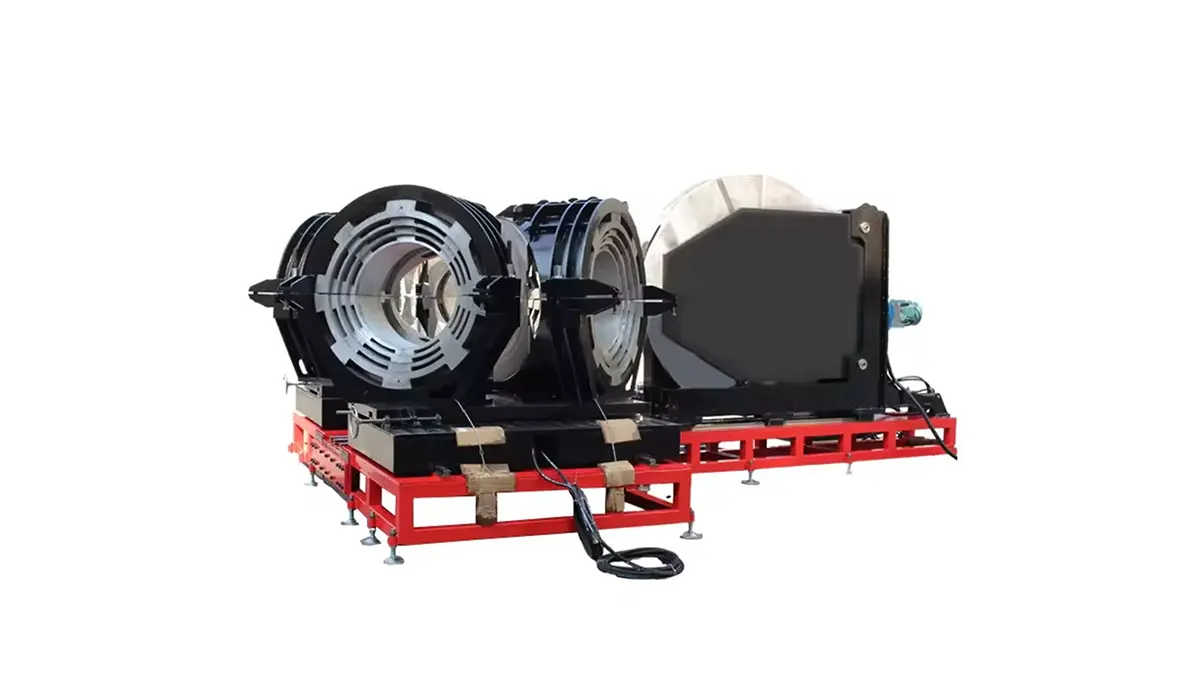
Safe Operation: Step-by-Step Fusion Workflow
Follow a standard welding procedure to ensure reliable joints: prepare pipe ends → clamp and align → face/trimmer → apply heating plate to correct temperature → apply fusion pressure and hold → cool under controlled conditions → document weld results.
Best Practices
Use calibrated heating plates and facing tools, clean surfaces thoroughly, and avoid wind/dust during heating. For gas pipelines, follow stricter QA protocols and record each weld cycle.
Maintenance & Spare Parts
Regular maintenance extends service life: keep hydraulic oil clean, inspect clamps and jaws for wear, calibrate temperature controllers, and stock common spare parts like heating plates, cartridges, and seals. Training local technicians reduces downtime on Bulgarian projects.
Local Considerations in Bulgaria
Seasonal temperature swings, remote site access and EU regulatory framework influence machine choice and logistics. Plan for winter storage, transport over rough roads and local-language training for crews. Partnering with a supplier who can provide technical manuals and support helps streamline commissioning.
Ordering and Support
When ready to buy, evaluate lead times, warranty, on-site training, spare part availability and after-sales service. For reliable HDPE welding solutions and global shipping, consider contacting JQ-Fusion: https://jq-fusionwelding.com/
Final Tip
Test a sample weld on-site before full production to verify settings and operator competency — this simple step saves time and prevents rework on critical water or gas mains.



