
Choosing the best butt fusion welding machine maker in Chile means balancing rugged field performance, reliable after-sales support, and equipment that fits the demands of Chile’s dominant industries — mining, municipal water networks, and gas distribution. This guide helps Chilean contractors, plant engineers, and procurement teams pick a supplier that delivers consistent weld quality, serviceability at remote sites, and long-term value.
Understand Chile’s Unique Pipeline Needs
Mining operations, agricultural irrigation projects, and urban water systems drive most HDPE pipeline demand in Chile. High-altitude works (Andes foothills), coastal corrosion challenges, and remote desert sites (e.g., Atacama) require machines that are portable, durable, and easy to maintain. Local contractors often need equipment that supports quick setup and predictable cycle times to minimize downtime on expensive job sites.
Machine Types — Match Technology to Task
Manual Frames
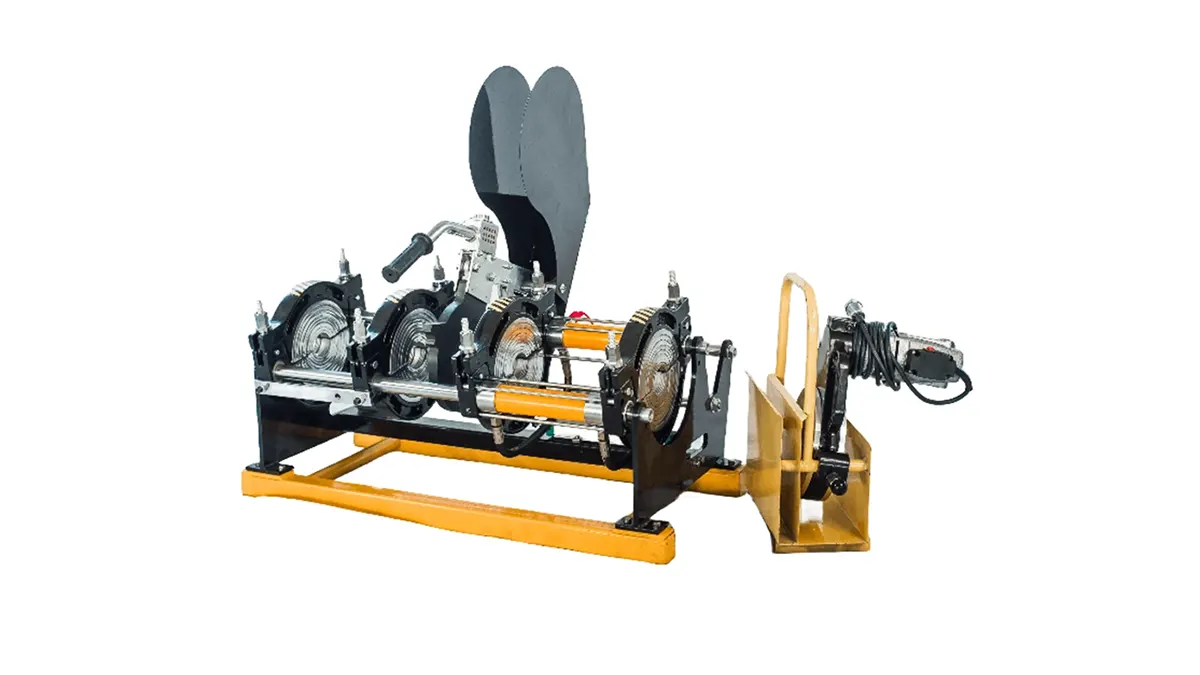
Best for small-diameter repairs and occasional use. Manual machines are lightweight and inexpensive, ideal for rural water service crews or small contractors performing repairs on distribution networks.
Hydraulic Machines
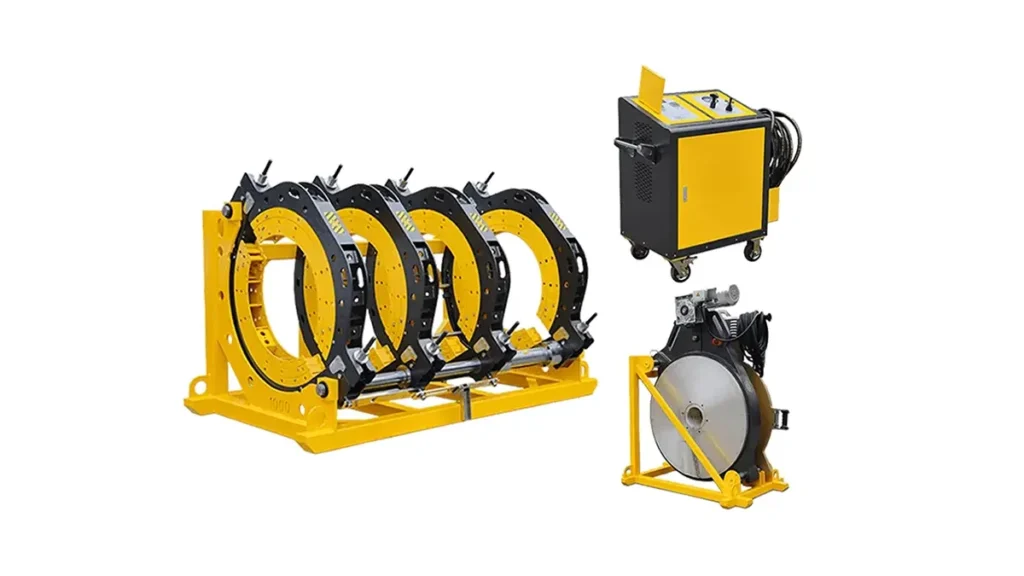
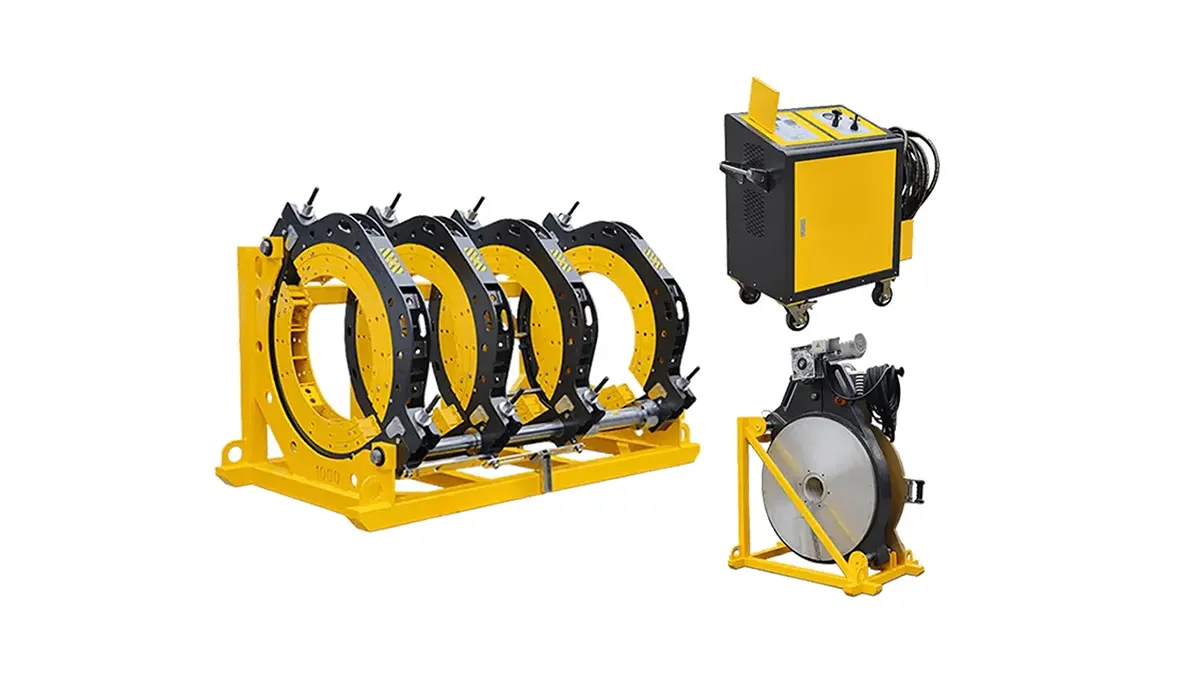
Workhorse choice for medium to large diameters and frequent site moves. Hydraulic systems provide consistent pressure and better control on large-diameter HDPE pipes used in mining and mainline water transmission.
CNC / Automatic Systems
Offer the highest repeatability and digital control of heating, fusion, and cooling cycles. Recommended for high-volume projects, industrial pipeline fabricators, and contractors who must meet strict welding records for compliance.
Key Criteria When Choosing a Manufacturer
Certifications & Quality Control — Ask for ISO manufacturing records, calibration certificates for welding controls, and any third-party inspection reports. Consistent QA reduces rework and failure risks.
Local Support & Spare Parts — Evaluate a supplier’s ability to ship spares to Chilean ports (Valparaíso, San Antonio, Antofagasta) quickly. Availability of consumables (heating plates, trims, clamps) keeps projects running.
Training & Documentation — Spanish-language manuals, on-site training, and remote technical support are invaluable for Chilean crews. Confirm training packages and after-sales response times.
Field Proven Reliability — Request references from similar projects (mining sites, municipal works) and ask for uptime data under harsh field conditions.
Practical Comparison Table (Quick Reference)
| Model | Type | Pipe Range (mm) | Best For |
|---|---|---|---|
| H1000 | Hydraulic | 160–1000 | Mining / Mainline Transmission |
| A200 | Automatic CNC | 20–250 | Fabrication / High-volume Projects |
| SY-2M | Manual | 20–110 | Repairs / Rural Water Works |
| MA800 | Multi-angle Fitting | 50–800 | Complex Fitting Fabrication |
Logistics, Customs & On-site Considerations in Chile
When importing welding equipment, factor in Chilean customs clearance, potential VAT, and shipping to ports near your project. For northern mining operations, plan overland transport and altitude acclimatization kits for operators. Ask the supplier about packaging that protects sensitive CNC electronics during long sea freight.
Evaluating Supplier Reliability
Factory audits or virtual factory tours — Confirm manufacturing processes and traceability. Request test weld records and sample reports.
Warranty terms, spare parts lead time, and availability of on-site technicians are essential. For large projects, negotiate stocking a small spare-kit locally.
Look for suppliers with documented case studies in similar climates and industries — experience with Chilean mining or water authorities is a strong plus.
Budget vs. Total Cost of Ownership
Lowest purchase price can be costly if spare parts are delayed or machines need frequent recalibration. Evaluate lifecycle cost: consumables, calibration, training, and downtime risk. For high-stakes mining or municipal jobs, investing in automatic systems often pays off through fewer weld failures and traceable welding records.
Final Recommendation
Select a maker that demonstrates field-proven machines for HDPE pipelines, offers clear spare-parts logistics to Chile, and provides training in Spanish. Verify welding control records and ask for references from local projects. For further technical details, specifications, and tailored quotes, consider contacting the manufacturer listed below.
About the Manufacturer
JQ-Fusion — a professional manufacturer of HDPE pipe welding machines offering manual, hydraulic, and automatic butt fusion solutions for global infrastructure projects. https://jq-fusionwelding.com/



