
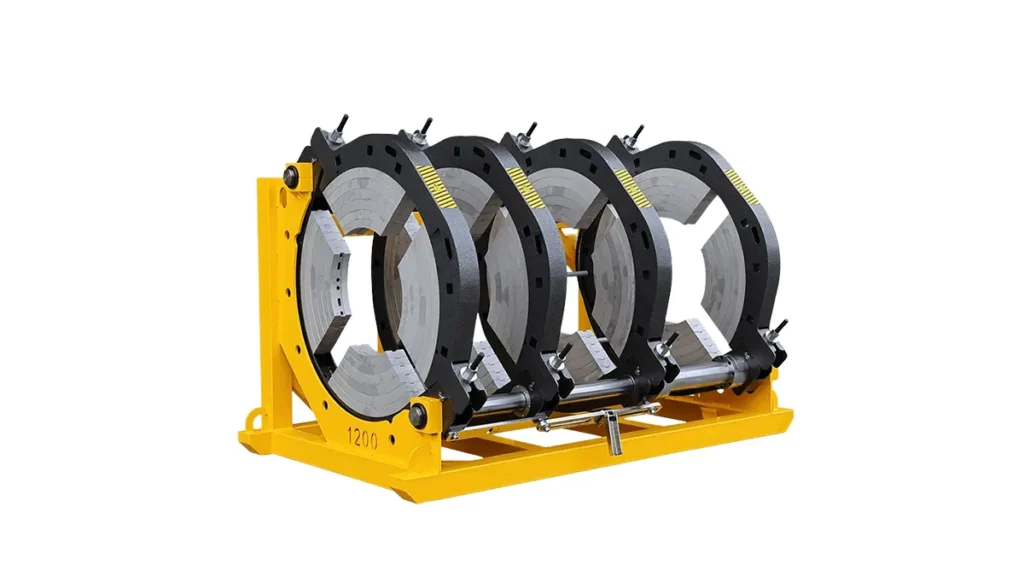
Latvia’s growing demand for durable, frost-resistant pipeline infrastructure has made hydraulic butt fusion machines a key asset for contractors and municipal departments across the country. From municipal water upgrades in Riga to rural district heating and agricultural irrigation networks, modern butt fusion technology ensures leak-free welds and long-term performance even in cold Baltic climates.
Why Hydraulic Butt Fusion Suits Latvia’s Infrastructure Needs
Reliable under low temperatures: Hydraulic butt fusion creates homogeneous welds that maintain strength in sub-zero conditions common during Latvian winters. This minimizes maintenance and reduces the risk of joint failures in groundwater and district heating systems.
Perfect for EU-compliant projects: Many Latvian pipeline projects must satisfy EU standards and public procurement criteria. Hydraulic fusion machines deliver repeatable, documented welds, supporting quality control and regulatory compliance for public and private works.
Local contractors and utility operators value machines that are mobile, robust, and compatible with a wide range of HDPE pipe sizes used across water supply, gas distribution, and industrial installations in Latvia and the wider Baltic region.
Applications across Latvia
Municipal water networks: Trenchless repairs and new mains benefit from consistent fusion quality and minimal downtime.
District heating and industrial pipelines: Systems subject to thermal cycling and pressure demand strong, ductile joints—exactly what butt fusion delivers.
Contractors working near coastal and wetland areas appreciate the technology’s ability to form corrosion-free, flexible connections that resist soil movement and freeze-thaw cycles.
Solutions from a Specialized Manufacturer
JQ-Fusion offers a full range of manual, hydraulic and CNC automatic butt fusion machines that meet diverse project demands—small-diameter repair rigs to large-diameter precision welders for major pipeline contracts. Their equipment supports easy transport to Latvian job sites, simple operator training, and dependable after-sales parts supply.
Key Features to Look For
Hydraulic power and precision: Stable, controllable pressure for uniform heating and controlled cooling; essential for large-diameter pipelines.
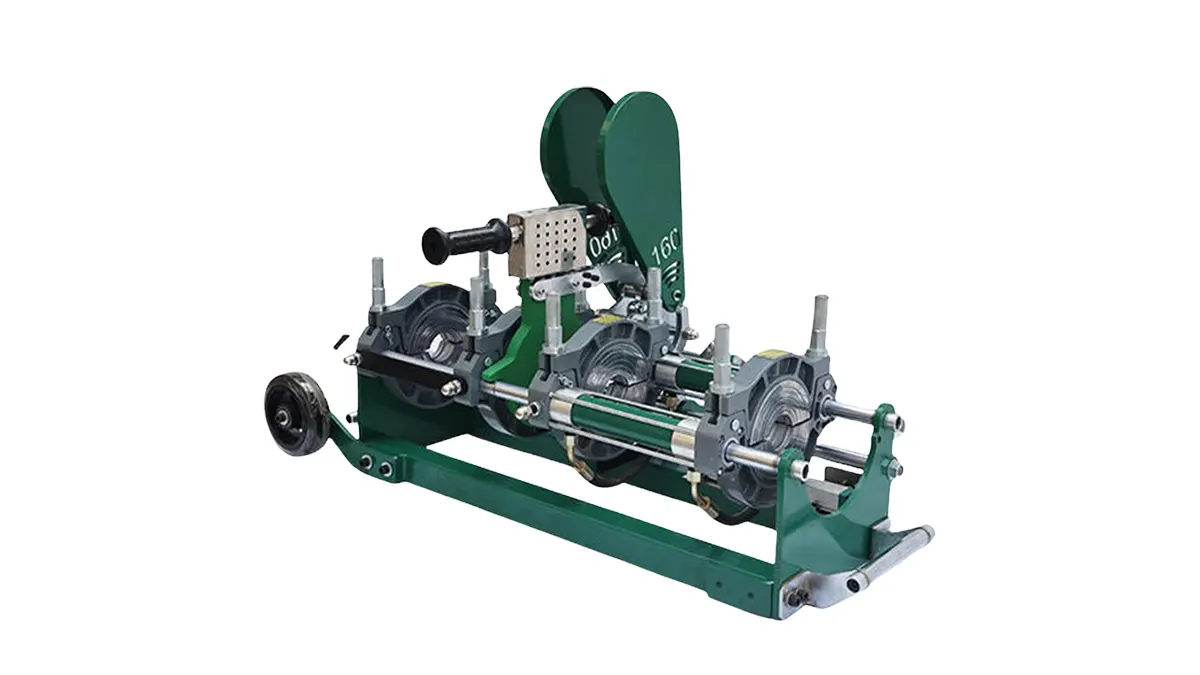
Portability and setup speed: Compact frames and quick-clamp systems reduce onsite labor—important for Latvian contractors working in remote or weather-constrained windows.
Data logging and traceability: Machines with digital controls and weld record storage streamline project documentation for public tenders and quality audits.
Model Comparison & Recommended Uses
| Model | Pipe Range (mm) | Type | Best For |
|---|---|---|---|
| JQH160 / JQH200 | 16–200 | Hydraulic | Local repairs, municipal small mains |
| JQH400 / JQH500 | 200–500 | Hydraulic | Medium-diameter water & sewage |
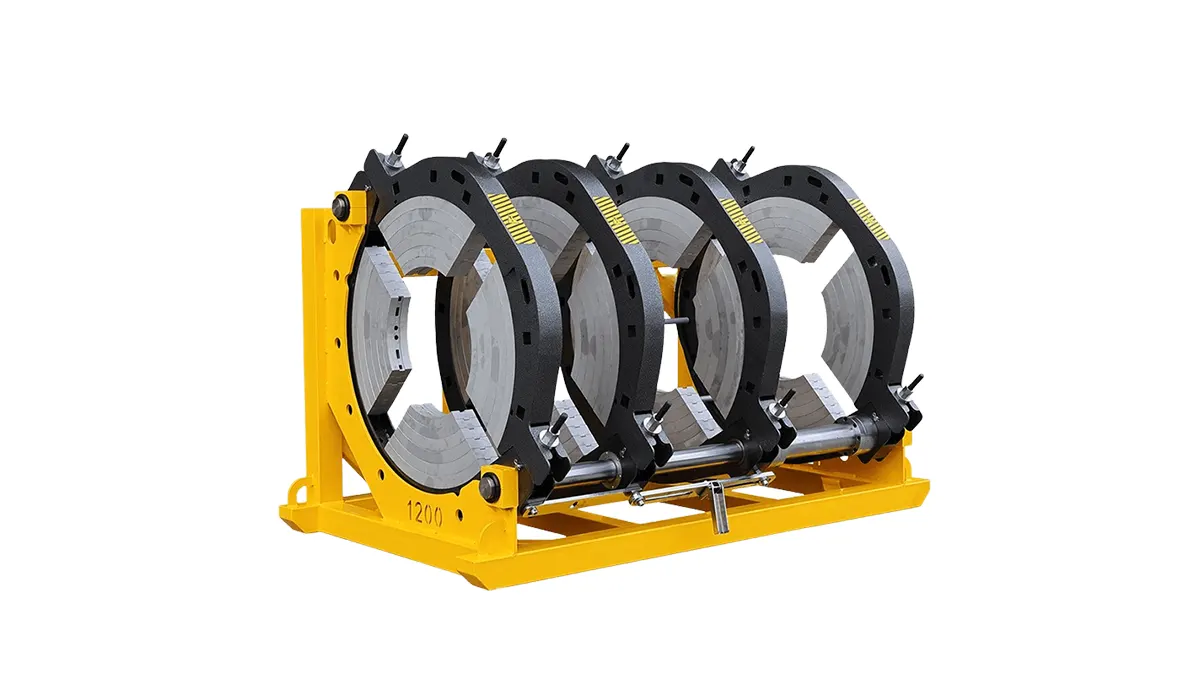
| JQH1200 / JQH1400 | 630–1400 | Large Hydraulic | Major pipelines, district heating |
Service, Logistics and Local Support
For Latvian buyers, consider machines with easy spare-part access and a vendor offering logistics through Riga and Liepāja ports. Seasonal work patterns in Latvia—short construction windows in spring and autumn—make fast delivery and reliable warranty support essential. Machines that include training packages help local crews adopt best welding practice quickly and reduce rework.
Tips for Specifying Machines for Baltic Projects
1) Choose hydraulic units with proven cold-start performance and safeguards for temperature-sensitive cycles.
2) Select models with digital weld records to meet procurement and compliance documentation requirements.
3) Prioritize manufacturers that can tailor fixtures and clamps for common pipe brands and joint types used locally.
Final Thoughts for Latvian Contractors
Investing in a robust hydraulic butt fusion machine improves joint reliability, extends pipeline lifespan, and lowers whole-life costs—an important consideration for Latvia’s public utilities and private developers. When evaluating equipment, weigh portability, hydraulic control precision, documentation features, and the supplier’s ability to support delivery and service within the Baltic region.



