
High-density polyethylene (HDPE) pipe welding equipment ensures long-lasting, leak-free joints for critical infrastructure. Choosing the right welding machine—from manual units to advanced CNC automatic butt fusion systems—directly impacts project efficiency, safety, and lifecycle costs. This guide highlights reliable solutions and practical considerations for selecting HDPE pipe welding machines that deliver durable pipe joining.
Types of HDPE Pipe Welding Machines
HDPE welding equipment generally falls into three categories: manual, hydraulic, and automatic/CNC. Each type suits different project scales and site conditions:
Manual Butt Fusion Machines
Compact and portable, manual machines are ideal for small-diameter pipelines and remote worksites. Operators rely on proven procedures and portable trimmers and heaters to produce consistent joints when properly trained.
Hydraulic Butt Fusion Machines
Hydraulic units offer improved clamping force and stability for medium to large diameters. They reduce operator fatigue and provide more reliable alignment for demanding field conditions, especially for municipal and industrial pipelines.
Automatic / CNC Butt Fusion Machines
For high-volume or precision projects, CNC automatic machines control heating, pressure, and timing digitally. They minimize human error and are preferred for large-diameter pipelines, long runs, and factory or yard prefabrication.
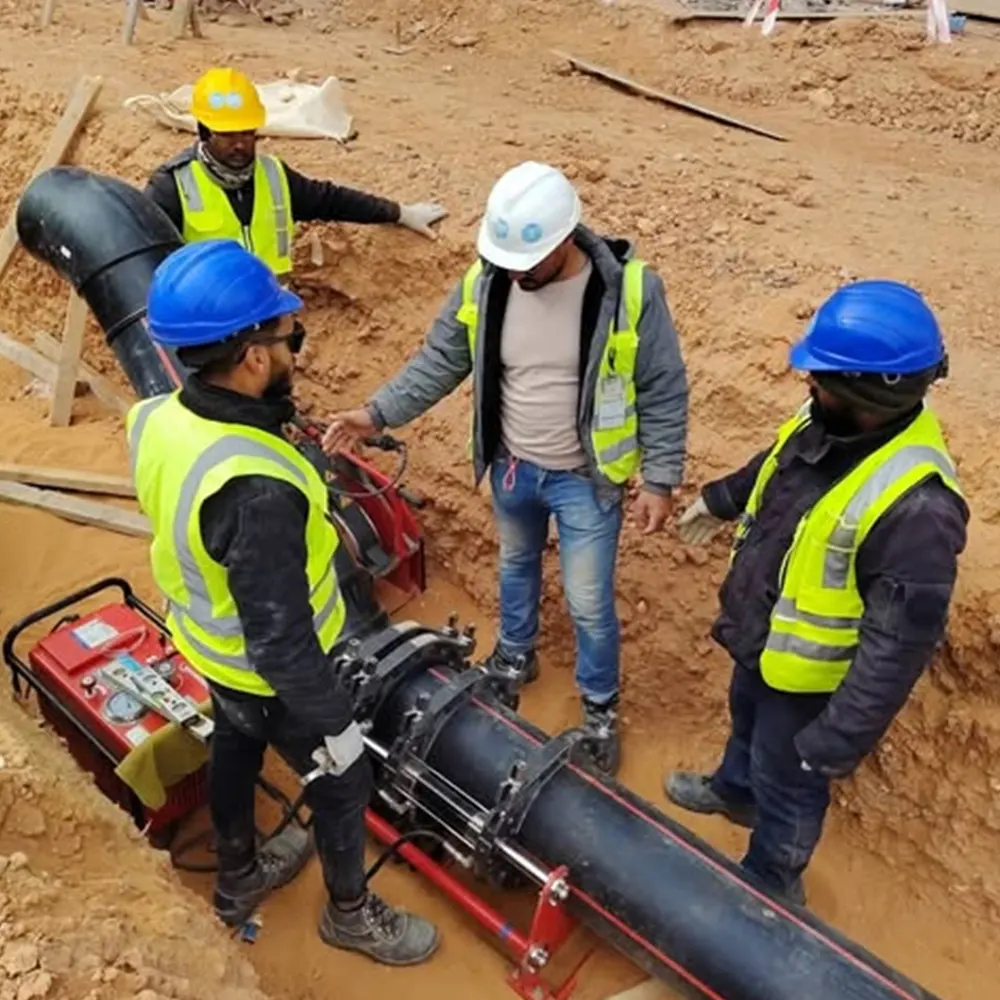
Quick Comparison: Choose the Right Machine
The table below makes it easy to compare common machine attributes so you can match equipment to project needs.
| Machine Type | Best For | Diameter Range | Key Benefit |
|---|---|---|---|
| Manual Butt Fusion | Rural & small projects | 20mm–630mm | Highly portable; low cost |
| Hydraulic Butt Fusion | Municipal & industrial | 63mm–1600mm+ | Strong, stable clamping |
| Automatic / CNC | Large-scale & factory use | 200mm–2500mm+ | Precision control; repeatability |
Key Features to Look For
Prioritize machines with robust alignment systems, easy-to-read controls, and durable heating plates. For fieldwork, look for corrosion-resistant frames and quick-attach clamps. Safety features—such as pressure-limiting valves and clear cycle indicators—help protect both operator and joint integrity.
Durability and Maintenance
Heavy-duty frames and sealed hydraulic components extend service life in harsh environments. Regular maintenance—clean heating surfaces, inspect clamps, and calibrate pressure sensors—keeps weld quality consistent. Spare part availability and local service options reduce downtime.
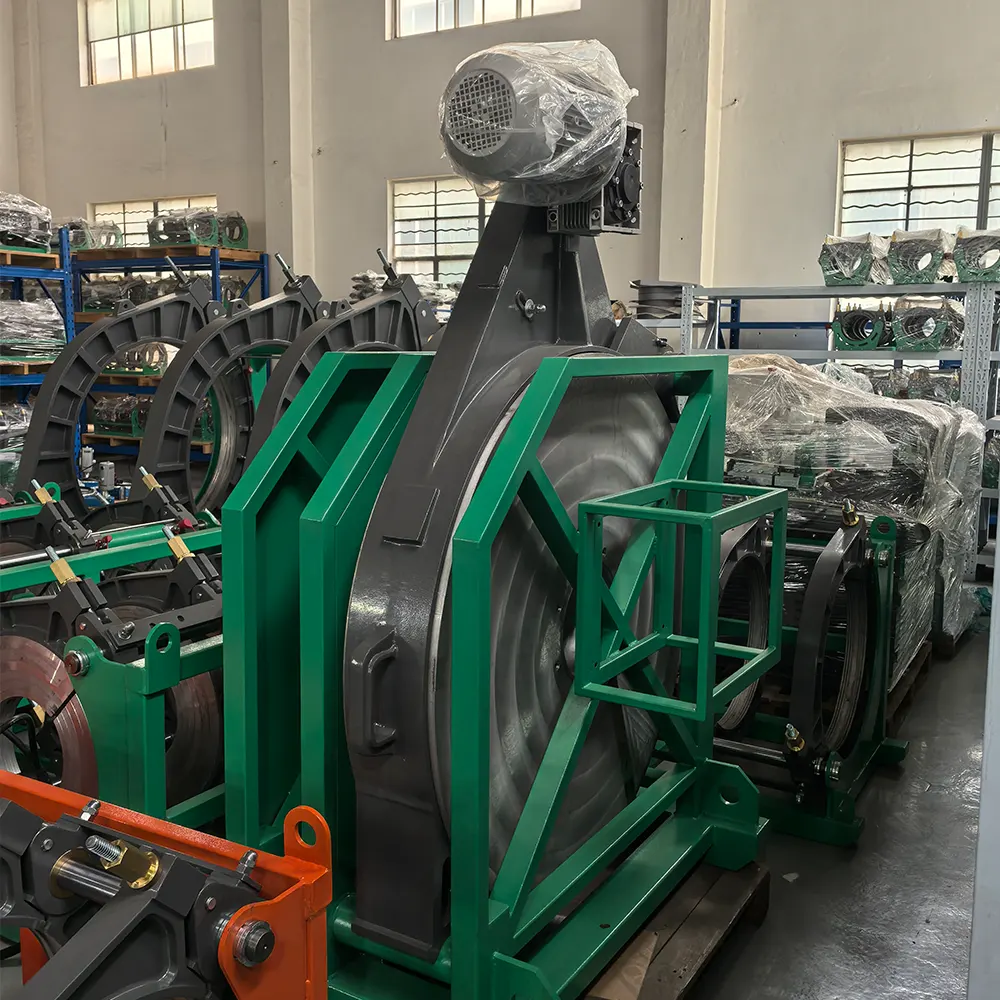
Applications Where HDPE Welding Matters
HDPE welding equipment supports a range of sectors: water supply networks, gas distribution, mining slurry lines, agricultural irrigation, and industrial process piping. The right machine ensures joints withstand pressure, chemical exposure, and ground movement for decades.
Quality Control and Certifications
Reliable welds depend on documented procedures and traceable parameters. Use machines that record cycle data or integrate with weld logs. Conformance to international standards and consistent operator training are essential for long-term reliability.
Selecting a Trusted Manufacturer
When evaluating suppliers, consider production experience, manufacturing capacity, and after-sales support. JQ-Fusion is a professional manufacturer focused on HDPE butt fusion welding machines across manual, hydraulic, and CNC automatic lines, delivering durable and customizable solutions for global infrastructure projects. Explore product ranges and support at https://jq-fusionwelding.com/.
Final Tips for Buyers
Match machine capacity to your pipeline diameters and expected workload. Factor operator skill level, transportability, and service access into procurement decisions. Investing in the right HDPE pipe welding equipment reduces installation errors, speeds up construction, and protects long-term asset performance.



