
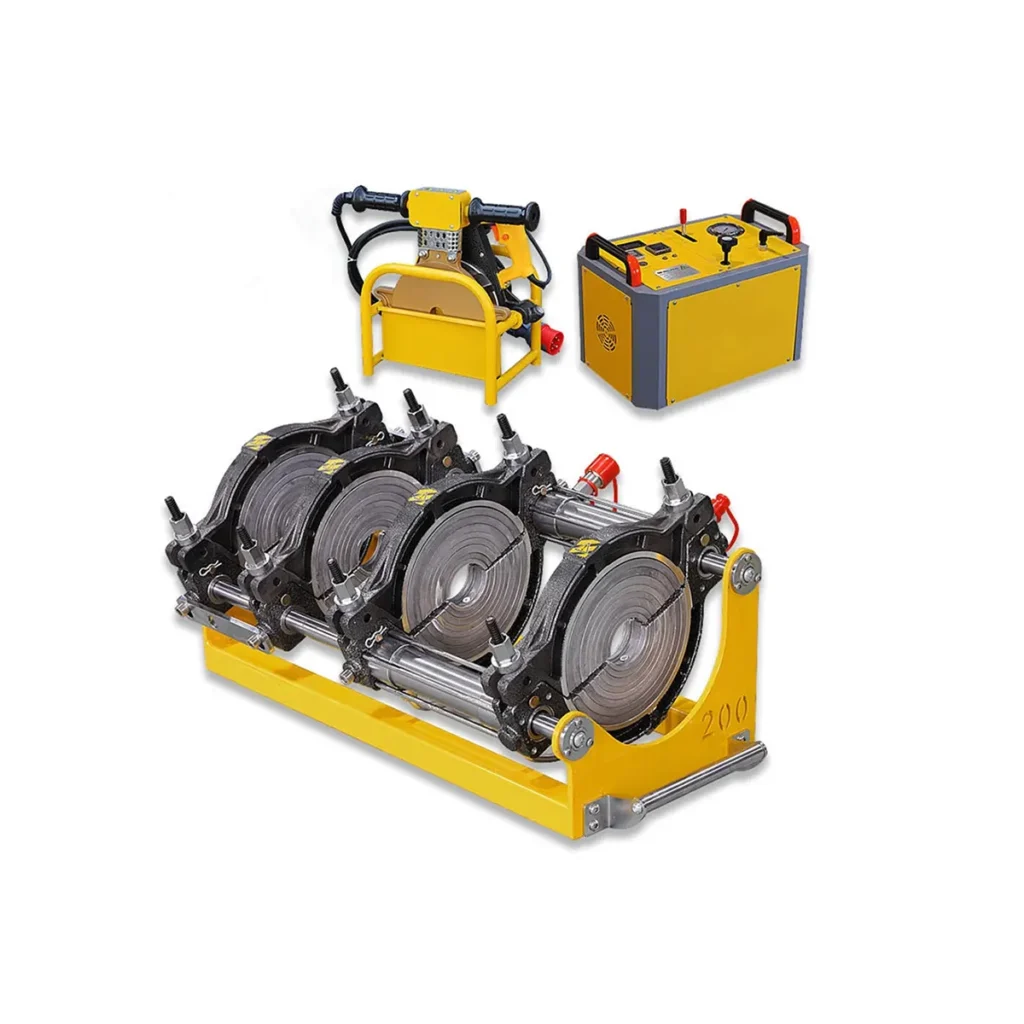
Choosing the right butt welder in Norway means balancing reliability, climate resilience, and compliance with strict European standards. This guide helps contractors, utilities, and pipeline engineers pick machines that perform in cold, remote, and tightly regulated Norwegian projects.
Understand the Norwegian Context
Norway’s climate, long rural supply lines, and high standards for public infrastructure demand equipment that works in subzero temperatures, handles long transport distances, and meets EN/DVGW certification expectations. Local projects—water supply in municipalities, offshore shore connections, and district heating—often require both portable manual machines for fieldwork and robust automatic systems for factory-assembled pipelines.
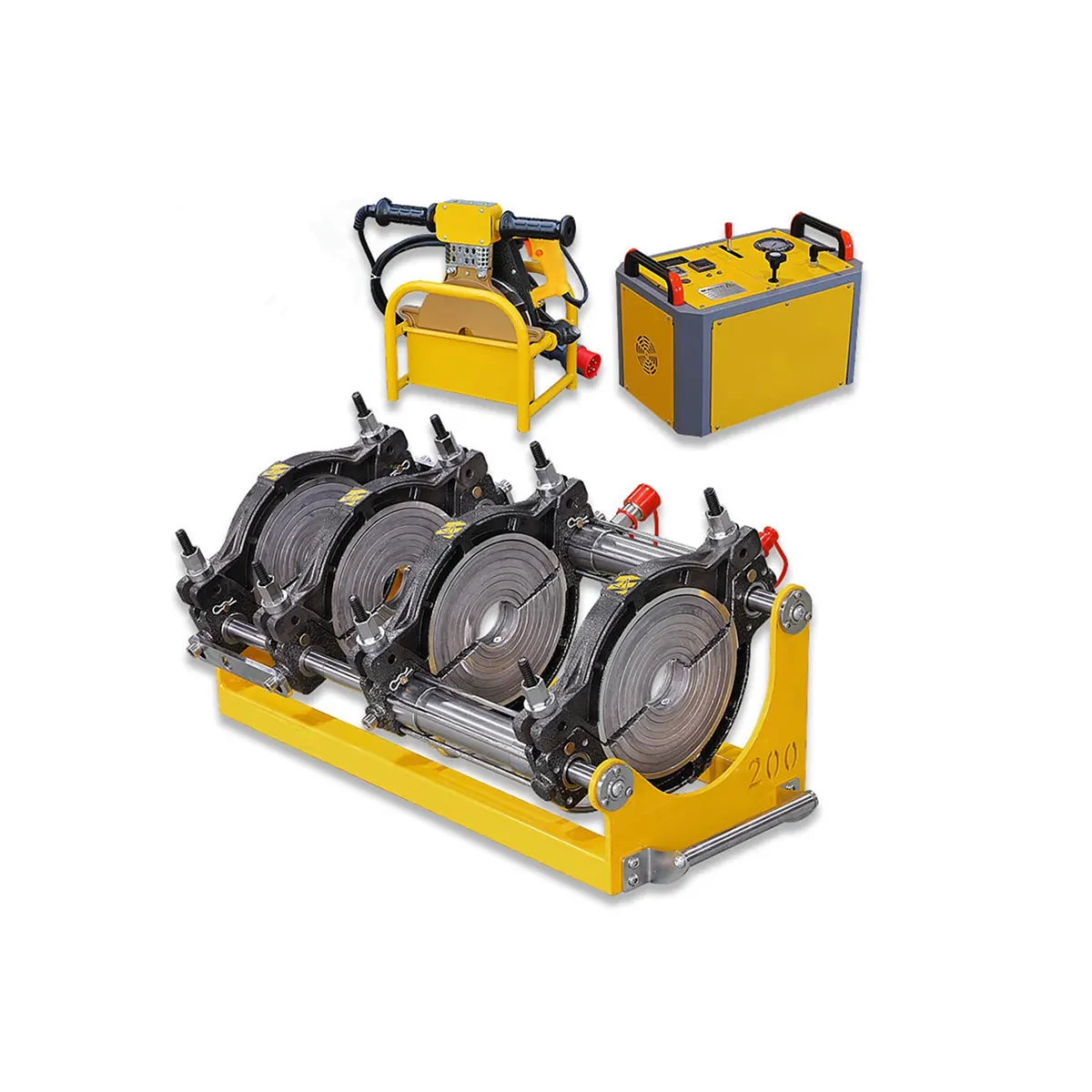
Types of Butt Welders — Which Suits Your Project?
Manual/Portable Machines
Best for small-diameter works and remote repairs. Lightweight models are easy to transport on gravel roads and work sites in Norway’s fjord regions. They require experienced operators but cost less up front.
Hydraulic Butt Fusion Machines
Ideal for mid-to-large diameter pipelines with frequent on-site welding. Hydraulic systems deliver consistent fusion pressure—important at low ambient temperatures where material behavior changes.
Automatic/CNC Butt Fusion Machines
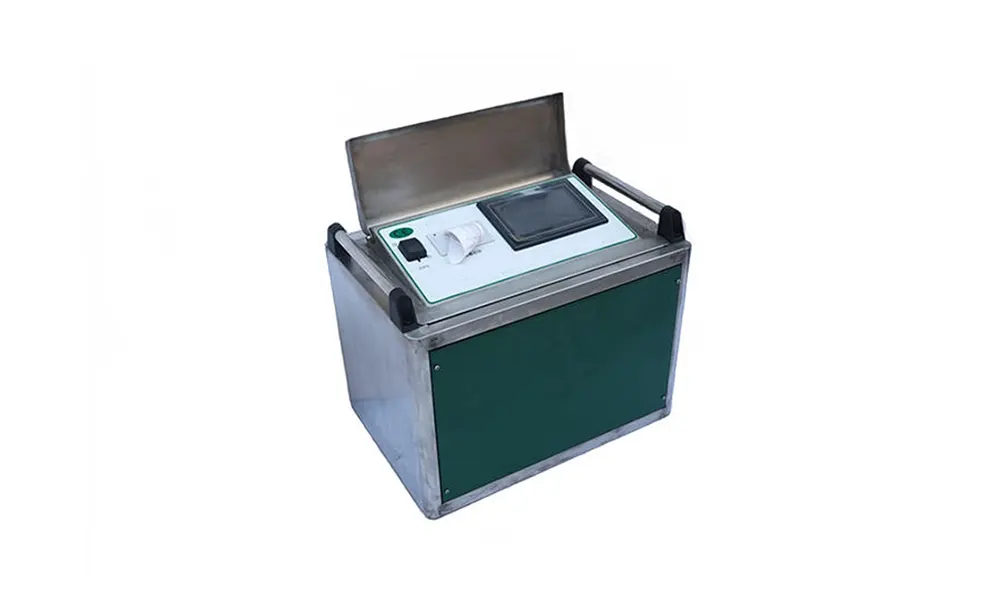
Best for high-volume or precision projects where traceable welding data and repeatability are required. Automatic machines reduce operator variability and provide digital records for compliance and QA.
Quick Comparison Table
| Machine Type | Best For | Pipe Size Range | Mobility |
|---|---|---|---|
| Manual/Portable | Repairs, small projects | Ø20–Ø315 mm | High |
| Hydraulic | Field installations, large diameters | Ø160–Ø1200+ mm | Moderate |
| Automatic/CNC | Factory work, high-volume installs | Ø63–Ø2000+ mm | Low (stationary) |
Key Selection Criteria
Pipe diameter and SDR: Confirm the machine’s clamp and pressure range match the targeted HDPE pipe sizes and SDR (standard dimension ratio).
Temperature performance: Select machines and accessories (heating plates, covers) rated for cold-weather starts and winter operations; insulation and pre-heating may be required.
Traceability & controls: For municipal and utility contracts in Norway, digital weld reports and traceable parameters are often mandatory—choose CNC or data-logging add-ons for compliance.
Mobility vs throughput: For remote fieldwork choose portable or hydraulic units; for pipeline spool fabrication or urban district heating prefabs, automatic machines improve throughput and quality control.
Supplier Vetting & Local Considerations
Request CE/EN certifications, material compatibility documentation, and customer references from projects in Nordic climates. Confirm spare parts availability in Europe and typical lead times—winter downtime is costly in Norway, so fast spare parts shipping matters.
Installation, Training & Service
Ensure the supplier offers training for Norwegian crews and on-site commissioning. A local service network or a reliable European spare-parts channel reduces downtime and improves lifecycle value.
Shipping, Customs & Compliance
Confirm export documentation and compatibility with Norwegian safety rules and import procedures. Factor freight to remote sites and possible on-site assembly into total project costs.
Cost vs ROI — What Matters
Lower purchase cost can mean higher operational risk. Evaluate machine uptime, consumable costs (heating plates, blades), operator training needs, and the value of weld traceability. Often a slightly higher-capacity unit yields better ROI on long-term infrastructure contracts in Norway.
Final Checklist Before Buying
• Confirm pipe size range and SDR compatibility.
• Validate cold-weather operation and accessory needs.
• Require weld-data logging for quality assurance.
• Verify spare parts lead times and local technical support.
• Ask for references from similar Scandinavian projects.
For tailored butt fusion solutions and product details, visit JQ-Fusion: https://jq-fusionwelding.com/



