
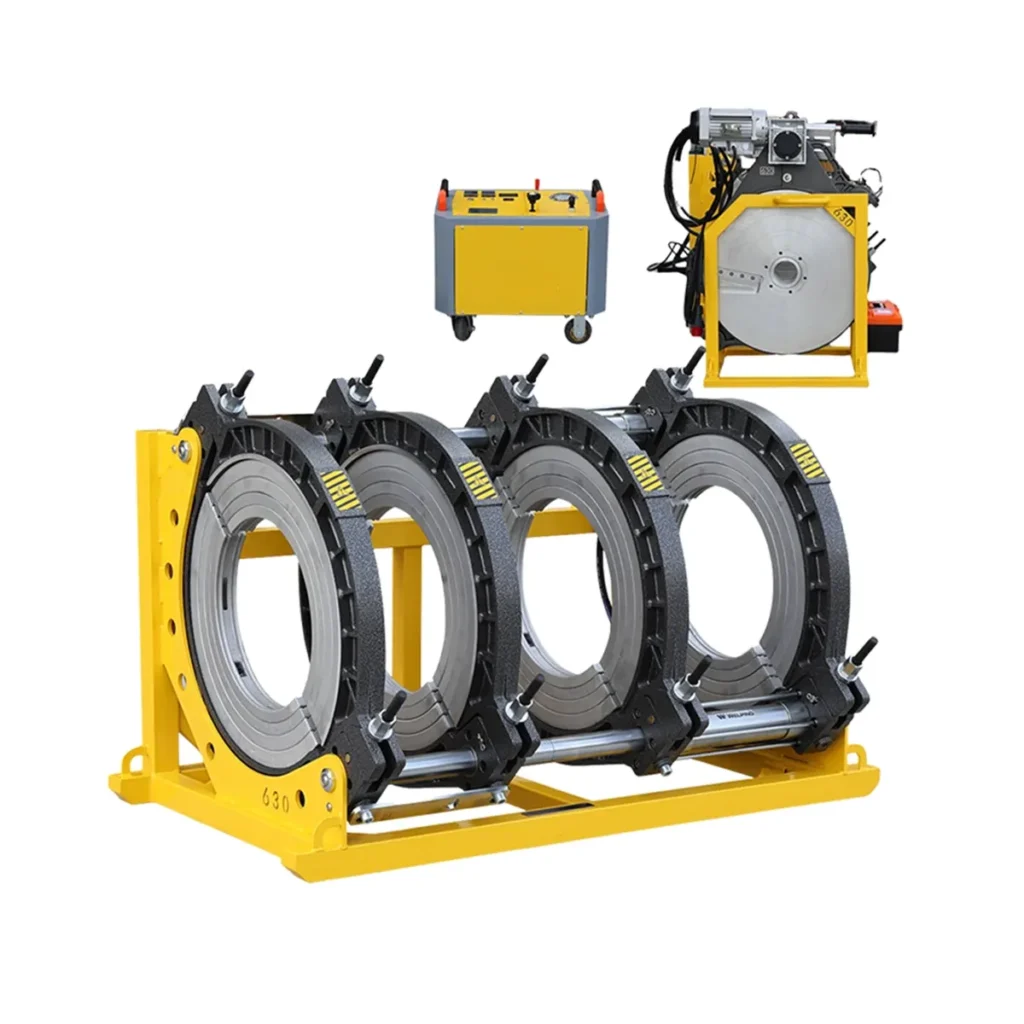
New Zealand’s infrastructure projects — from urban water networks and rural irrigation to gas distribution and mining — increasingly rely on HDPE pipes for their corrosion resistance, flexibility and long service life. Selecting the right butt fusion welding equipment is essential for durable joints and efficient installation on sites across Aotearoa, whether you’re a municipal contractor, pipeline installer, farm irrigation supplier or a civil works contractor working in remote regions.
Why HDPE Works Well for New Zealand Projects
HDPE piping performs exceptionally in coastal, seismic and rural settings common in New Zealand. Its resistance to chemical corrosion and fatigue makes it suited to coastal wastewater mains, potable water reticulation, and long rural water lines. For contractors dealing with varied terrain and weather, HDPE systems reduce repair frequency and downtime, while welded joints offer leak-tight performance critical for environmental protection.
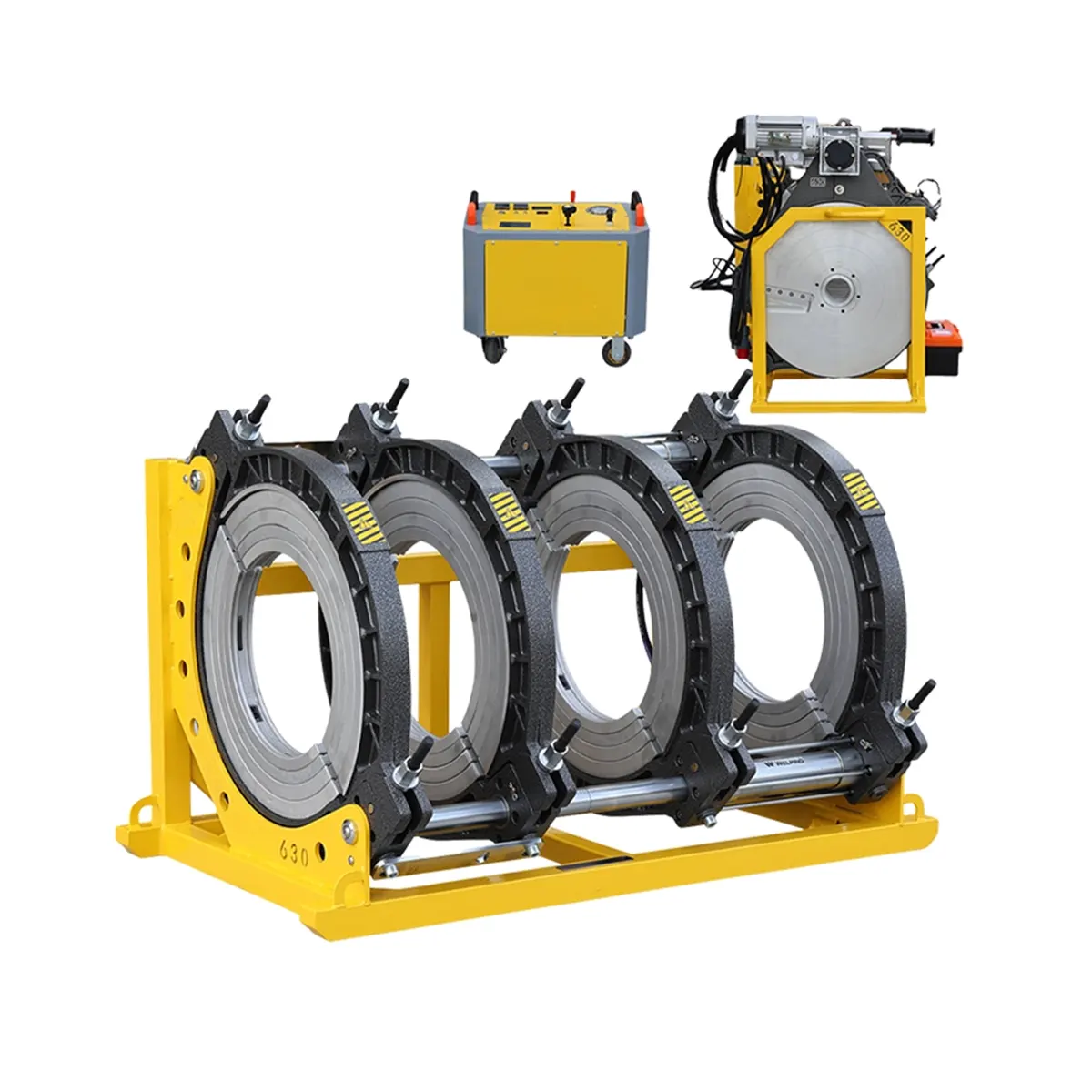
Types of Butt Fusion Machines for NZ Sites
Manual butt fusion machines are lightweight and portable — ideal for rural repair crews and smaller-diameter pipework. Hydraulic butt fusion machines deliver consistent clamping and pressure control for medium to very large diameters on major pipeline projects. Automatic / CNC machines provide the highest precision and repeatability for high-volume or standards-driven installations, useful for municipal utilities and contractors aiming for certified weld records.
| Machine Type | Suitable Pipe Diameter | Key Benefits |
|---|---|---|
| Manual Butt Fusion | Small to medium (portable use) | Low cost, field-flexible, easy transport |
| Hydraulic Butt Fusion | Medium to large (heavy-duty jobs) | Stable pressure control, suited for long runs |
| Automatic / CNC Fusion | Small to large (precision welding) | Repeatable weld data, ideal for compliance |
How to Choose the Right Machine in New Zealand
Assess project scale and typical pipe diameters first. For urban reticulation and trunk mains you may prefer hydraulic or automatic machines for consistency. For farm irrigation, rural repairs and small-diameter replacement, a manual unit offers portability and cost-efficiency. Consider crew skill level — automated units reduce operator variability but require electrical power and trained operators.
Site logistics matter: remote East Coast, high-country or island projects demand compact, rugged equipment and spare-part planning for minimal downtime. For contractors bidding on local council jobs, ensure your machine supports traceable weld records and meets project specifications.
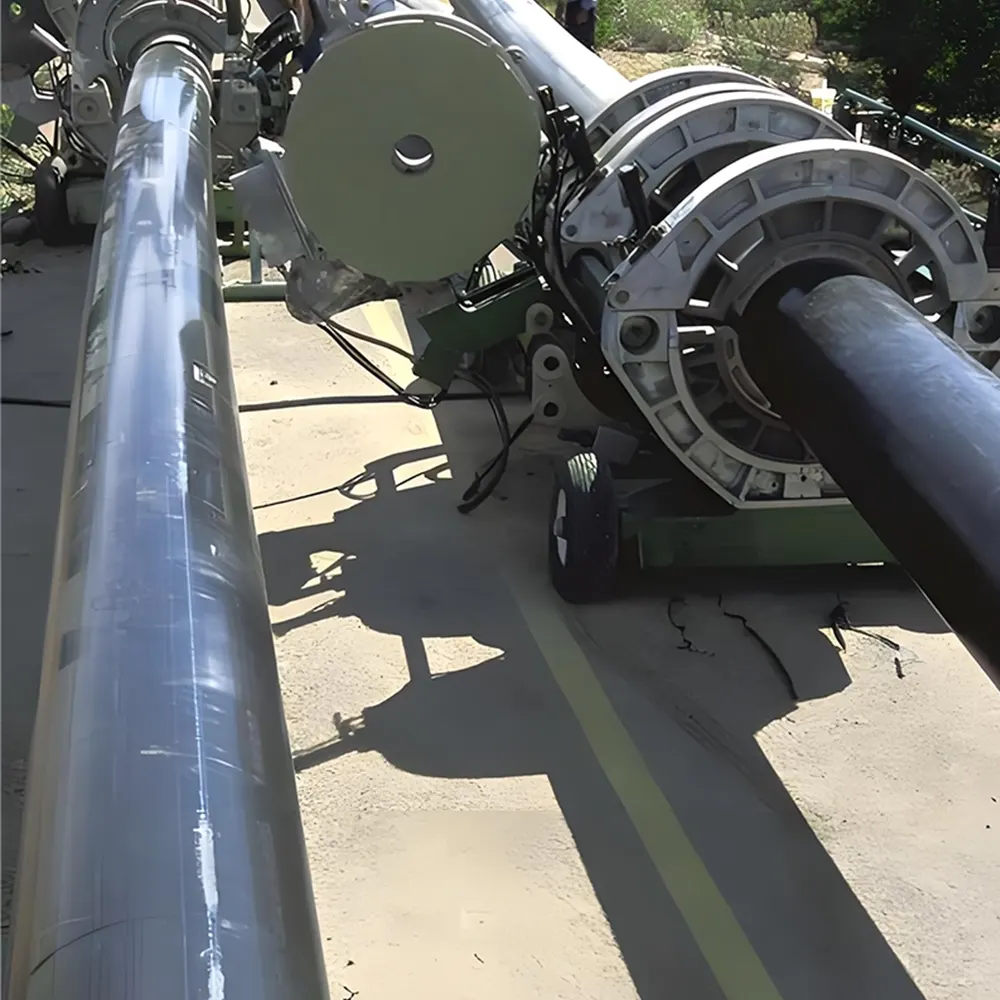
After-sales Support, Training & Compliance
Long-term reliability comes from access to spare parts, calibration, and operator training — all vital across New Zealand’s dispersed work sites. JQ-Fusion (https://jq-fusionwelding.com/) offers a range of manual, hydraulic and CNC automatic butt fusion machines and can assist with spare parts, technical training and pre-shipment checks to help meet local contractor and utility requirements.
Practical Tips for NZ Contractors and Suppliers
Plan for weather-protected welding when possible, carry essential consumables, and document weld cycles for client acceptance. When evaluating suppliers, prioritize machine durability, availability of replacement clamps/heating plates, and accessible technical support to reduce on-site delays.
If you’re specifying HDPE welding equipment for a New Zealand project — from council infrastructure to farm irrigation upgrades — select a machine that balances portability, repeatability and after-sales support to ensure efficient installation and long-term pipeline performance.



